
Dayton Garage Door Guide
What We Check First on a Dayton Garage Door
Dayton homes mostly date to the 1960s and 70s, and the cold hits original hardware hard. Here's what a technician looks at before touching a wrench.
- Licensed & Insured
- Same-Area Service Calls
- Upfront Pricing
Leaving It Alone
Not every noisy door needs a truck. If your door is loud but moves smoothly, tracks straight, and closes flush, that's often just a dry roller or a hinge that wants a drop of oil - something an owner can handle with a rag and a can of white lithium grease. We won't run a service call to tighten two bolts and charge you for it.
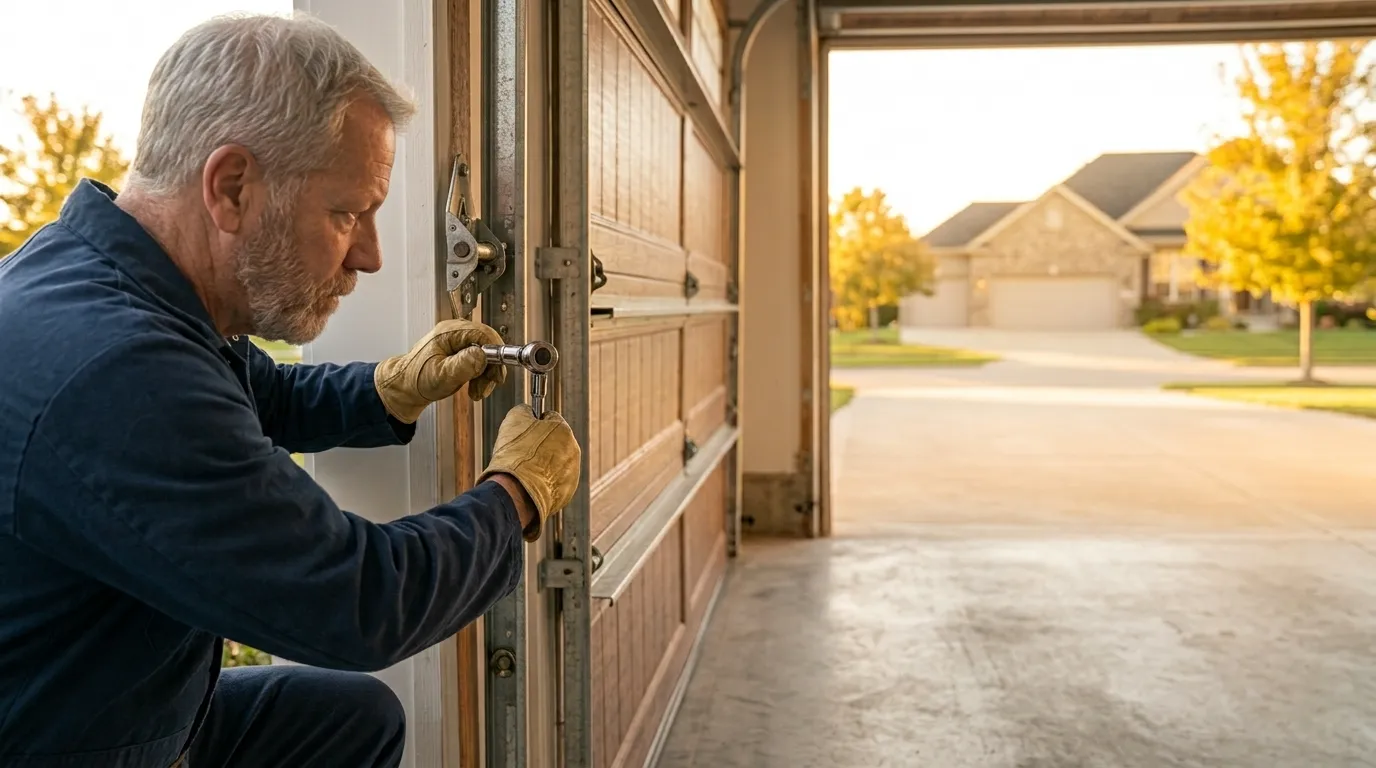
Where we draw the line: if the door is out of a 1960s or 70s Dayton-area house and still has its original hardware, a squeak can be the first sign that a bracket is working loose on wood that's had sixty winters of freeze and thaw behind it. That's a five-minute look, not a five-minute fix. Our limitation here is real - we don't do cosmetic panel work, and if your door is more dent than function, replacement usually beats trying to make a 50-year-old steel panel look new again.
We'll tell you that straight instead of billing for a patch job that won't hold.
What Local Conditions Do
The service area's housing stock runs 1938 to 1998, with a median build year of 1971, and most of it - across the 37 communities we cover from Shiloh out to Xenia and Franklin - is 1960s and 70s construction. That means original torsion or extension spring setups, often side-mounted, on doors that predate today's insulated steel panels. Pair that with a cold-severe climate band and you get a specific failure pattern: steel contracts hard in a Dayton winter, and springs wound to 1970s tension specs lose a measurable amount of lift capacity once the mercury drops.
A spring that felt fine in September can snap in January, not because it failed, but because cold steel is stiffer and less forgiving on the coil. Openers from that era also weren't built with cold-weather gear lubrication in mind, so a chain drive that ran quiet in summer can grind by December. None of this is a Dayton-only physics problem, but the concentration of doors from that specific build window, in this specific climate band, is what shapes the order we check things in.
What to Look At First
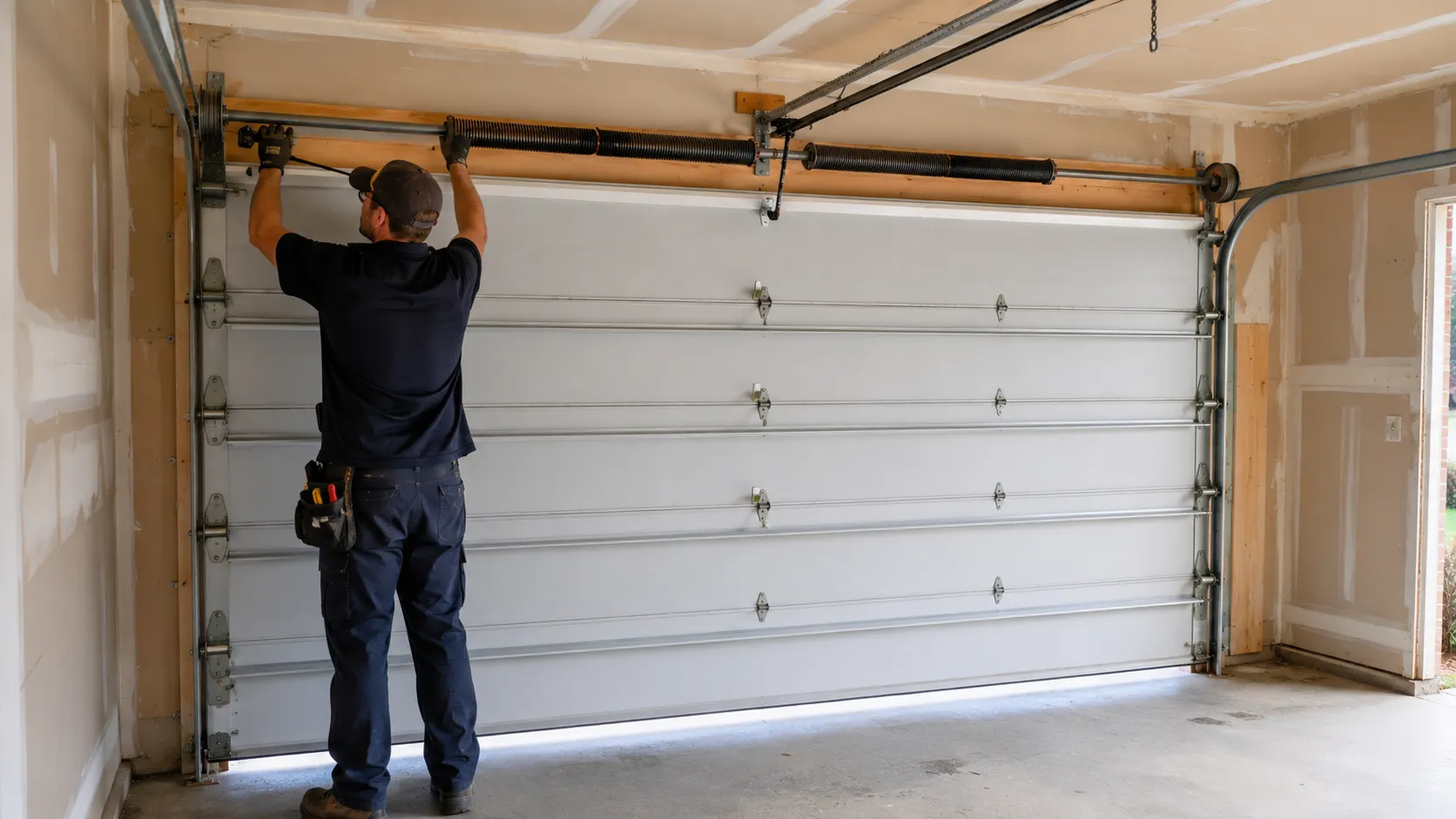
First, the spring - torsion coil count, wire gauge, and whether it's original to a house built in that 1938-1998 window. On a door that old, we're checking for rust pitting from repeated freeze-thaw cycling before we ever check balance. Second, the cable and drum condition, since original cable on a side-mounted setup frays at the drum groove faster in cold-severe climates than people expect.
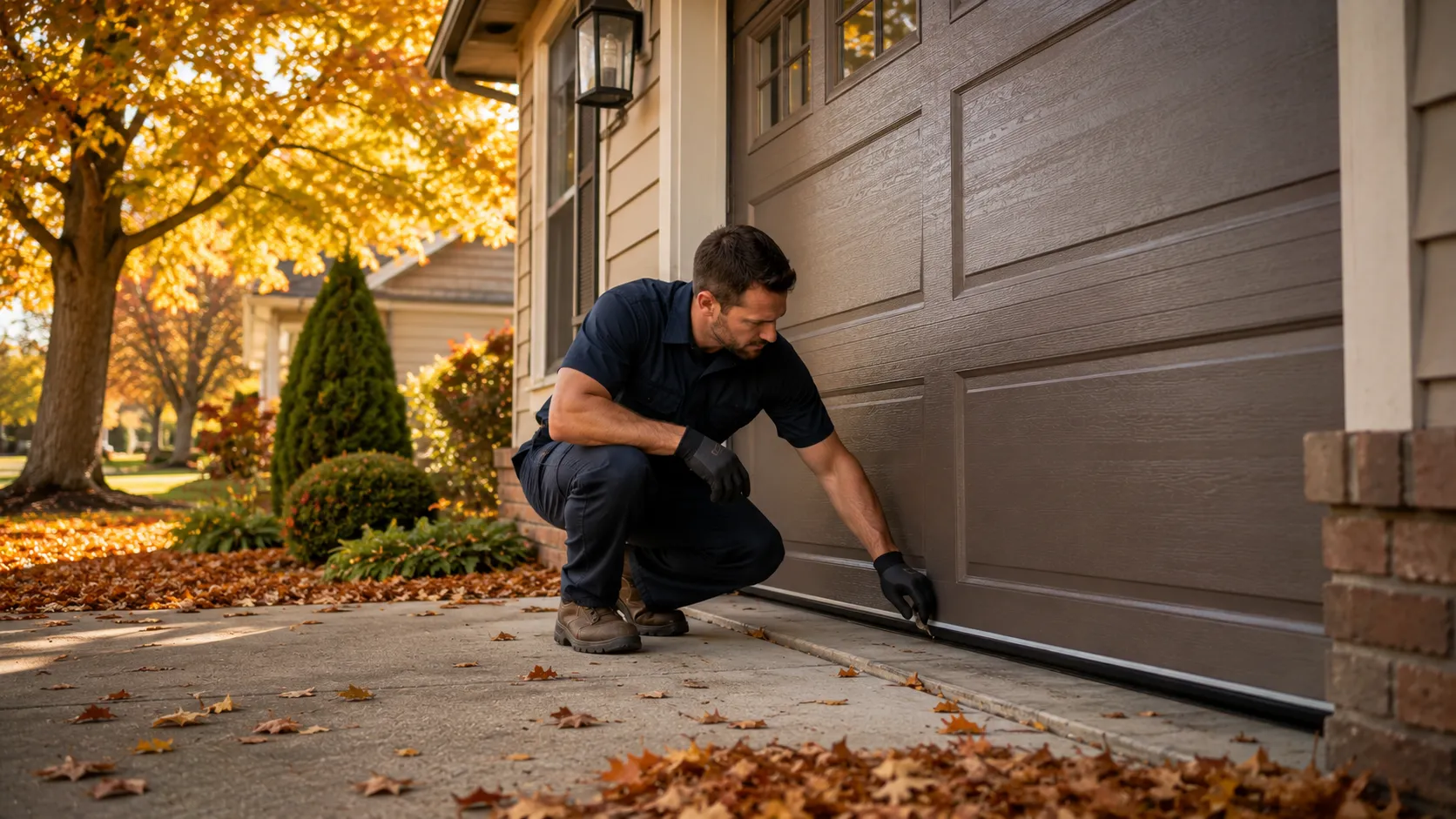
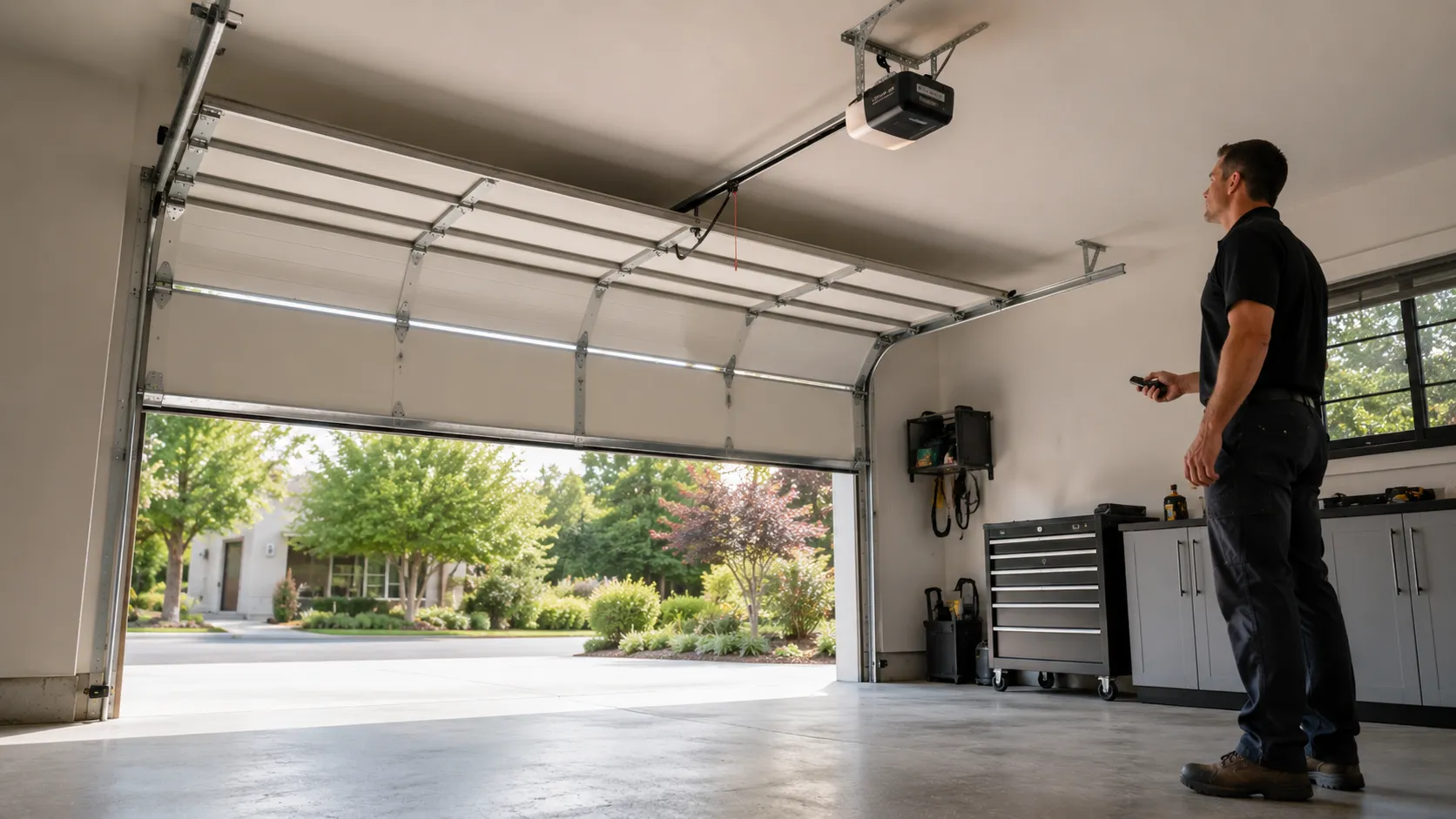
Third, track alignment - cold contraction shifts brackets fractions of an inch at a time, and on a house pushing fifty or sixty years old, those fractions add up to a door that binds on the left track before it binds on the right. Fourth, the opener's cold-start behavior: does it hesitate, groan, or trip the reverse sensor on the first cycle of the morning. Last, we look at the weatherstrip and bottom seal, because on original 1960s-70s doors that seal was never designed for today's insulation expectations, and gaps let cold air work on everything else in the system faster.
We check in that order because on this housing stock, spring fatigue from cold cycling causes more emergency calls than anything else on the list.
The Situation
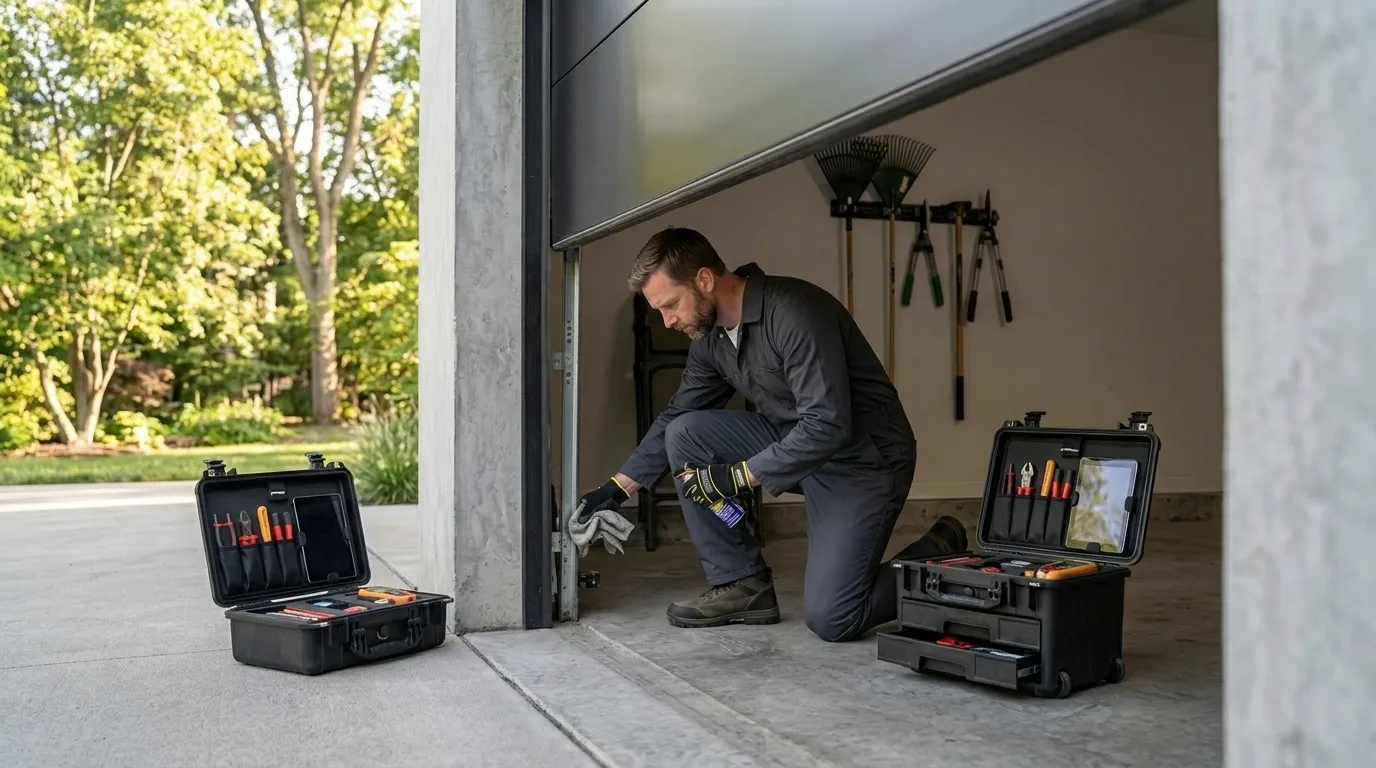
Across the service area - 187,209 households and 93,639 owner-occupied houses, with a median income around $70,000 - a lot of garage doors are original equipment on homes that have had one or two owners since 1971. That's not unusual for this part of Ohio, but it does mean parts availability matters: original hardware from a 1960s build often isn't stocked anywhere, and matching it means adapting current stock rather than finding an exact replacement. We serve the area out to about a 16-17 mile radius, from Shiloh and Riverside a few miles out to Springboro, Franklin, and Yellow Springs further south and east.
The pattern holds pretty consistently across that radius: older torsion hardware, cold-driven wear, and doors that were built for a different set of expectations than what's on the market now. When a repair makes sense, we do the repair. When the hardware is too far gone or too far from anything currently made, replacement is the honest answer, even if it's not the one that gets us back out to the truck faster.
How We Can Help
Garage Door Repair
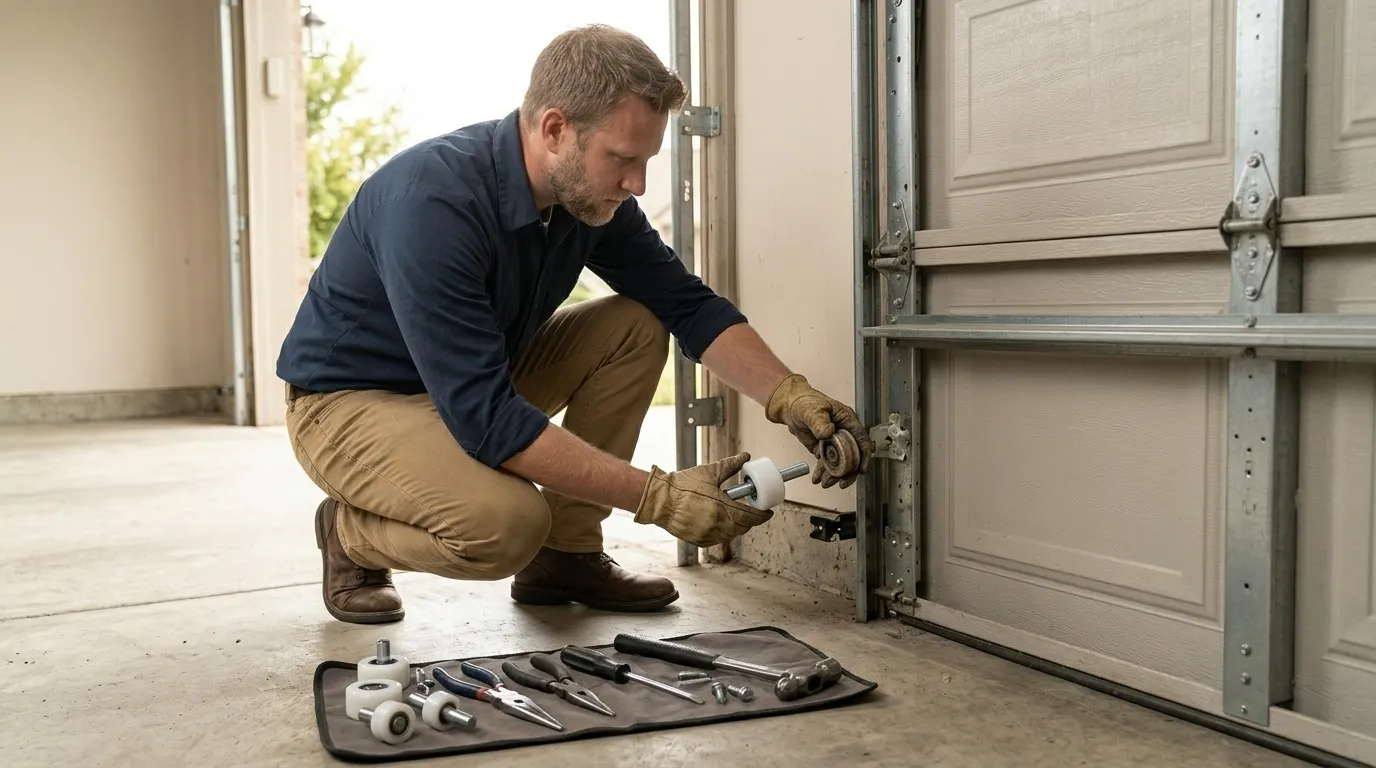
Springs, cables, tracks, rollers, and openers fixed by a tech who explains the problem before touching anything.
Learn more →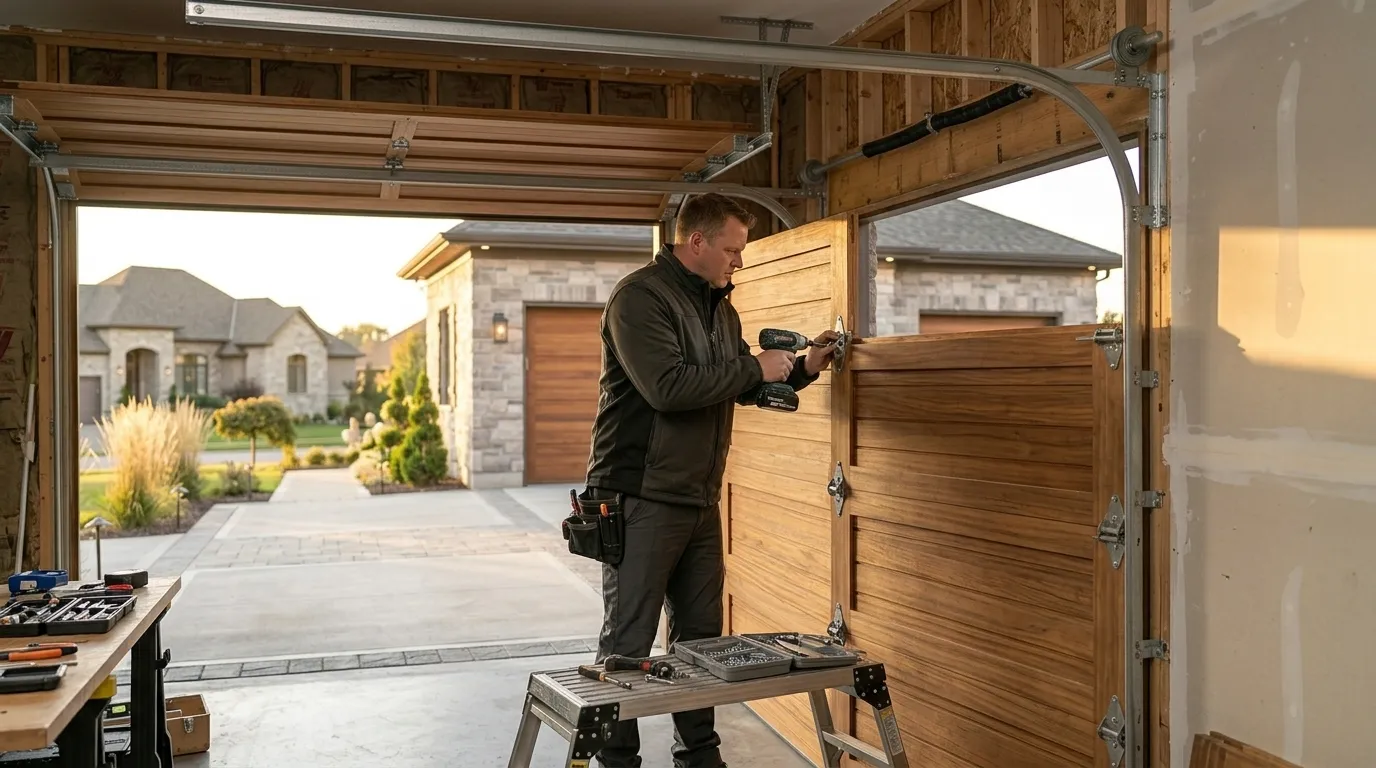
Garage Door Installation
New sectional doors sized and installed for the housing stock actually built in this area.
Learn more →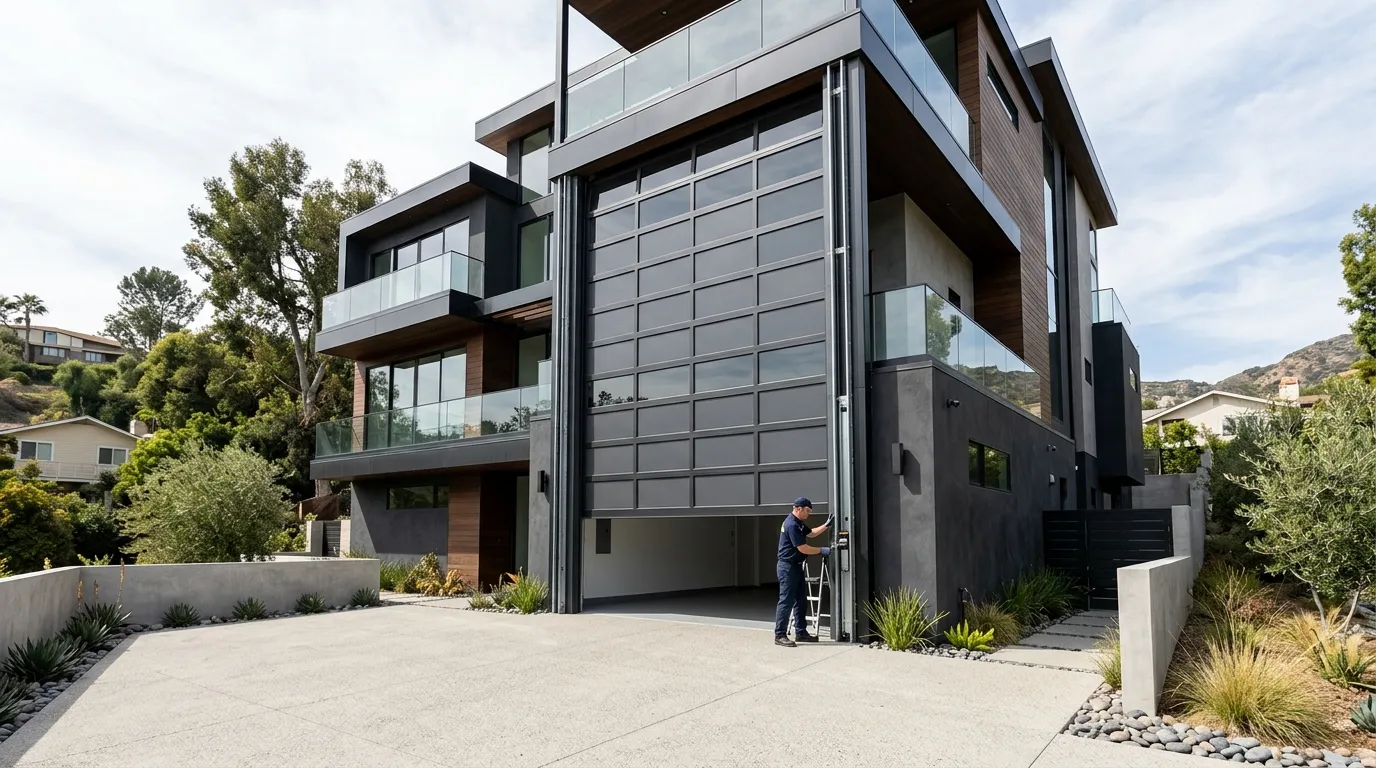
Garage Door Service
Tune-ups, lubrication, and safety checks that catch a small problem before it becomes a service call.
Learn more →Frequently Asked Questions
Why do garage door springs break more often in winter here?
Cold steel is stiffer and holds less tension than the same spring at room temperature. In a cold-severe climate like Dayton's, a spring wound decades ago for average tension can drop below what it needs to lift the door once temperatures fall, especially on original hardware from the 1960s-70s building boom.
Is it worth repairing a door from a 1960s or 70s Dayton house?
Often yes, if the track and frame are sound - springs, cables, and rollers can be replaced with modern equivalents. If the panel itself is rusted through or the original hardware has no modern match, replacement usually costs less over time than repeated patch repairs.
How do I know if my door's noise is serious?
A dry squeak that goes away with lubrication usually isn't urgent. A grinding sound from the opener, a door that jerks unevenly, or visible rust on the spring coil are signs worth a look before the next cold snap, since cold cycling accelerates existing wear.
Have a Door That Needs a Second Opinion?
Call and describe what it is doing - we will tell you what it likely is.