
Dayton, OH
Dayton Garage Door Co
Garage Door Repair Built Around Dayton's Housing Stock
Local garage door repair for Dayton, OH and the surrounding area, from Shiloh to Xenia. We know the 1960s-70s torsion setups this region was built with.
- Licensed & Insured
- Same-Area Service Calls
- Upfront Pricing
How We Can Help
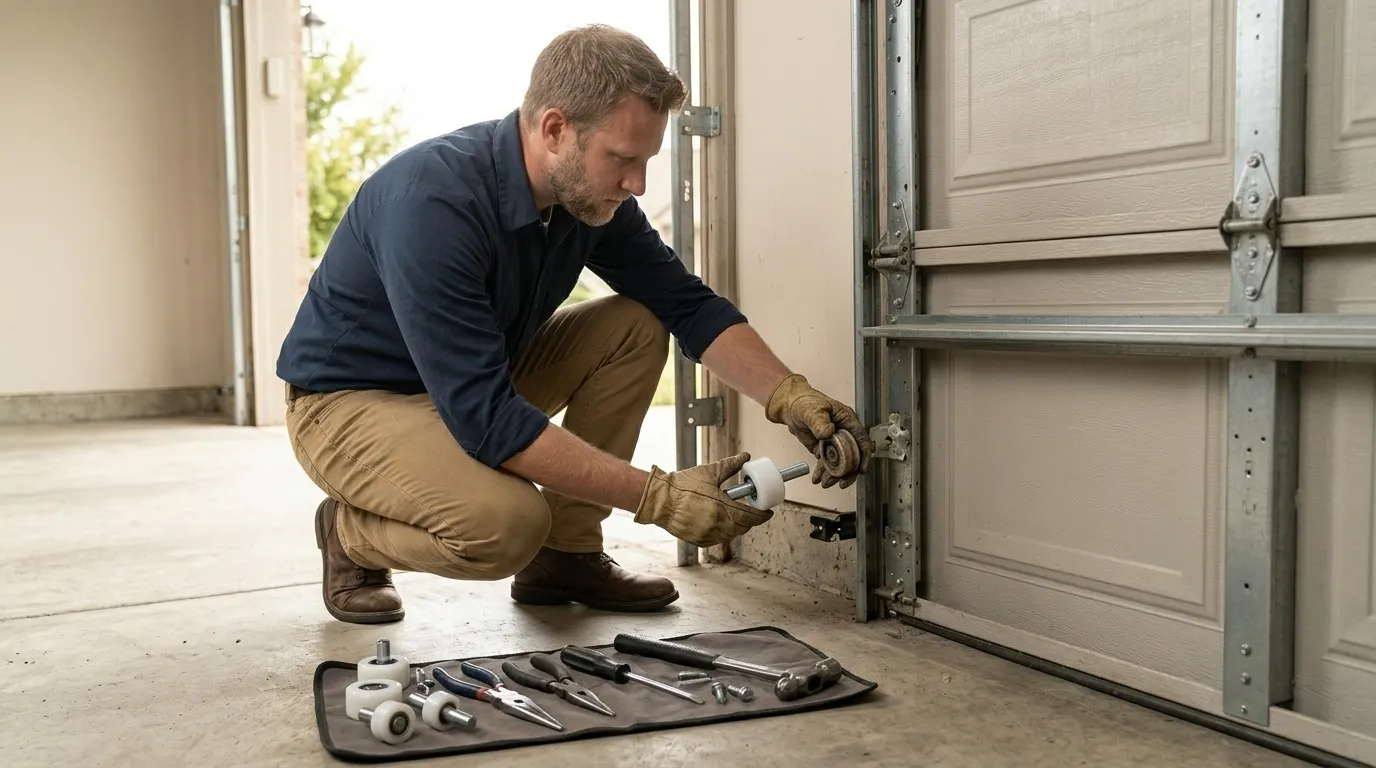
Garage Door Repair
Springs, cables, tracks, rollers, and openers fixed by a tech who explains the problem before touching anything.
Learn more →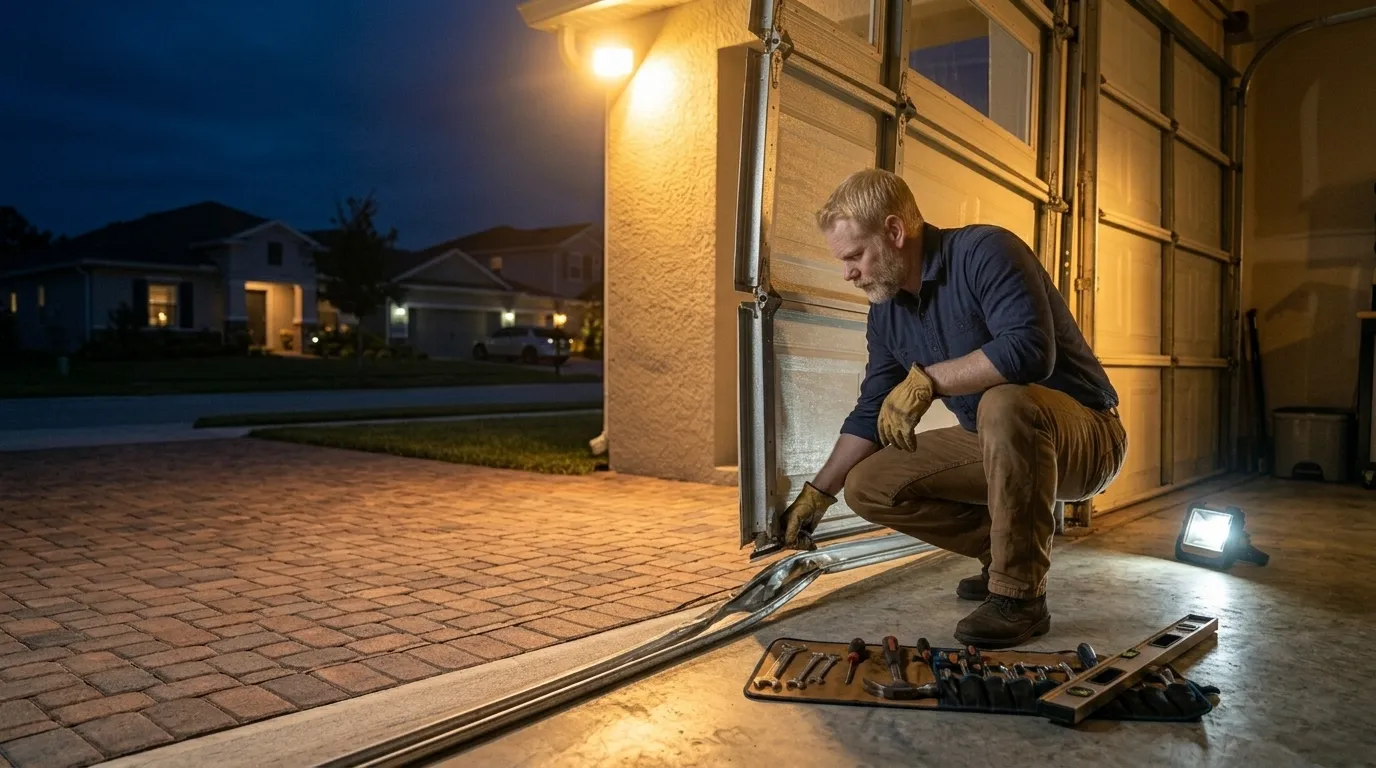
Garage Door Opener Repair
Openers that hum, stall, or reverse - diagnosed and fixed, from worn gears to logic boards.
Learn more →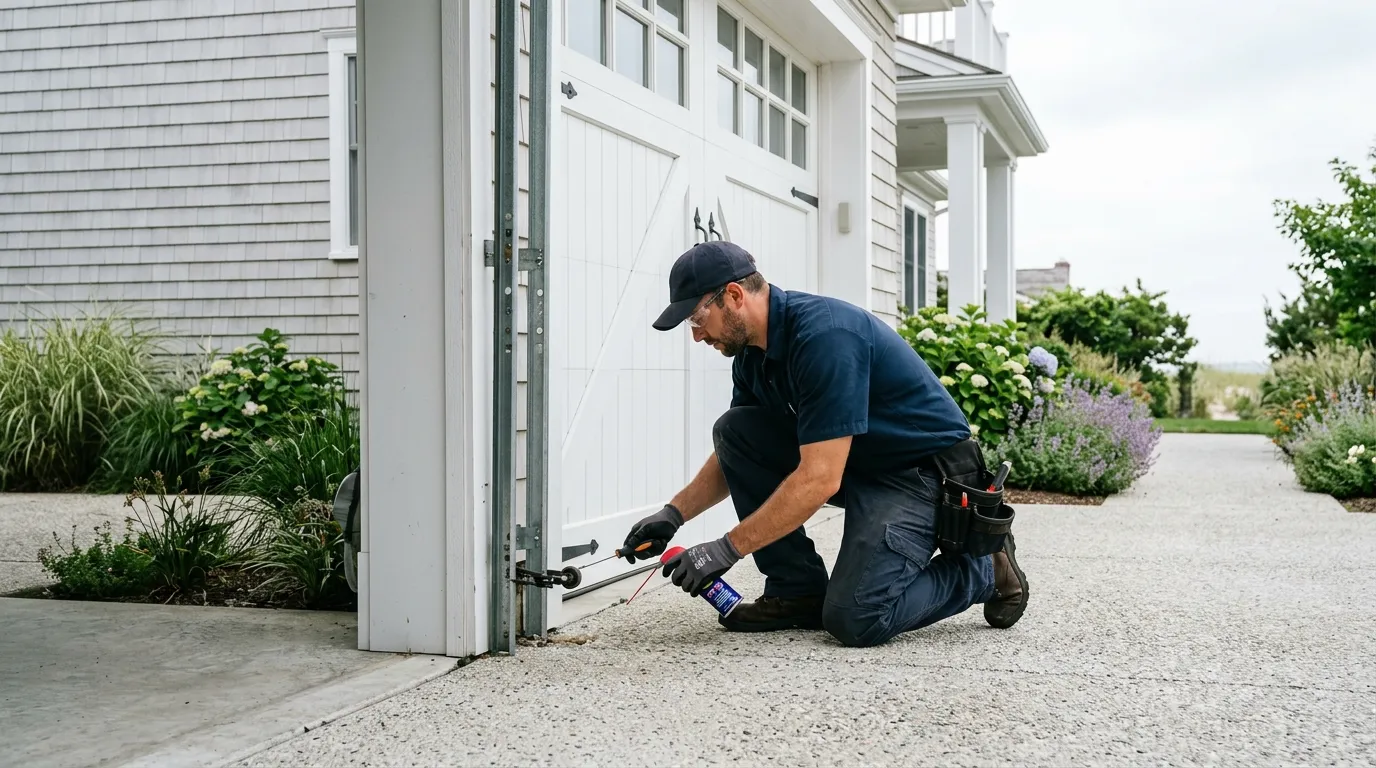
Commercial Garage Door
Commercial Garage Door handled by trained, insured local technicians with upfront pricing.
Learn more →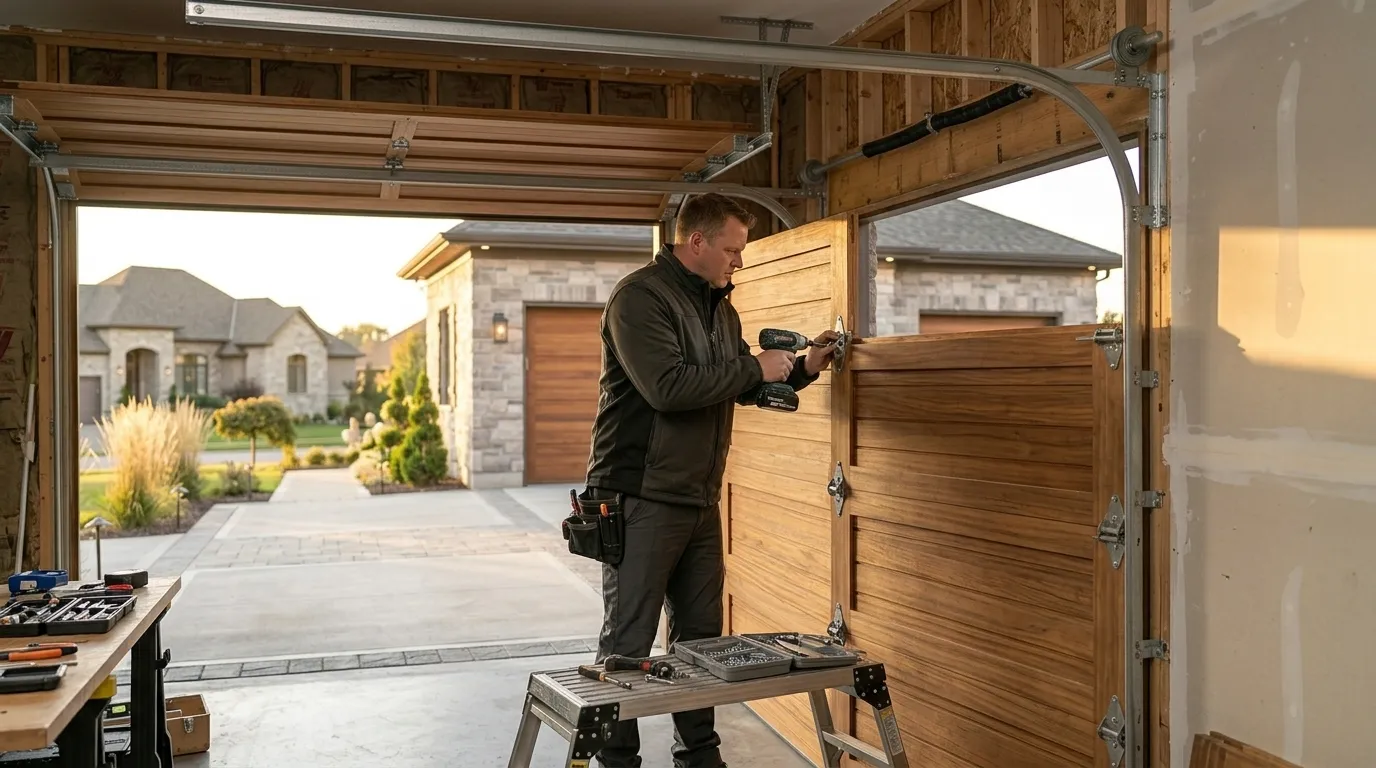
Garage Door Panel Replacement
Dented or cracked panels swapped without replacing the whole door where the frame is sound.
Learn more →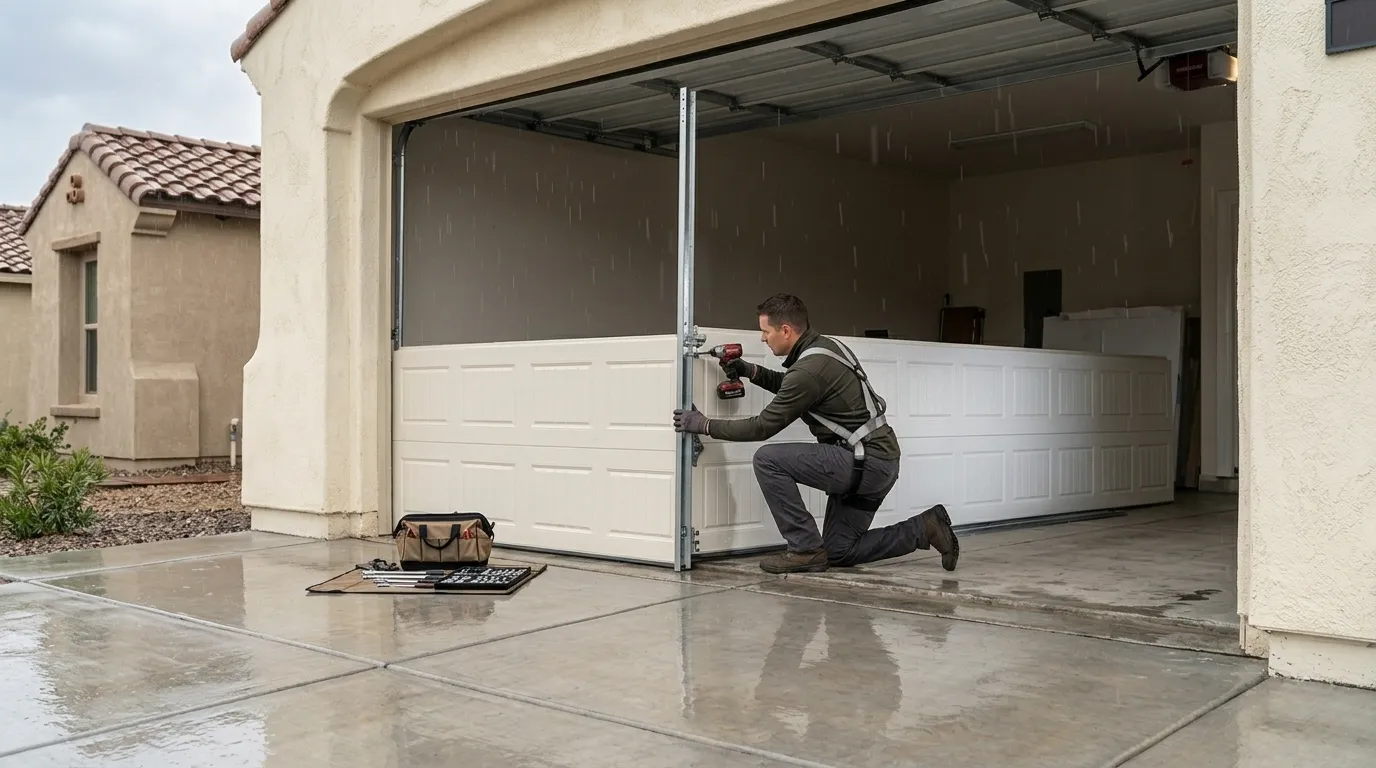
Garage Door Installation
New sectional doors sized and installed for the housing stock actually built in this area.
Learn more →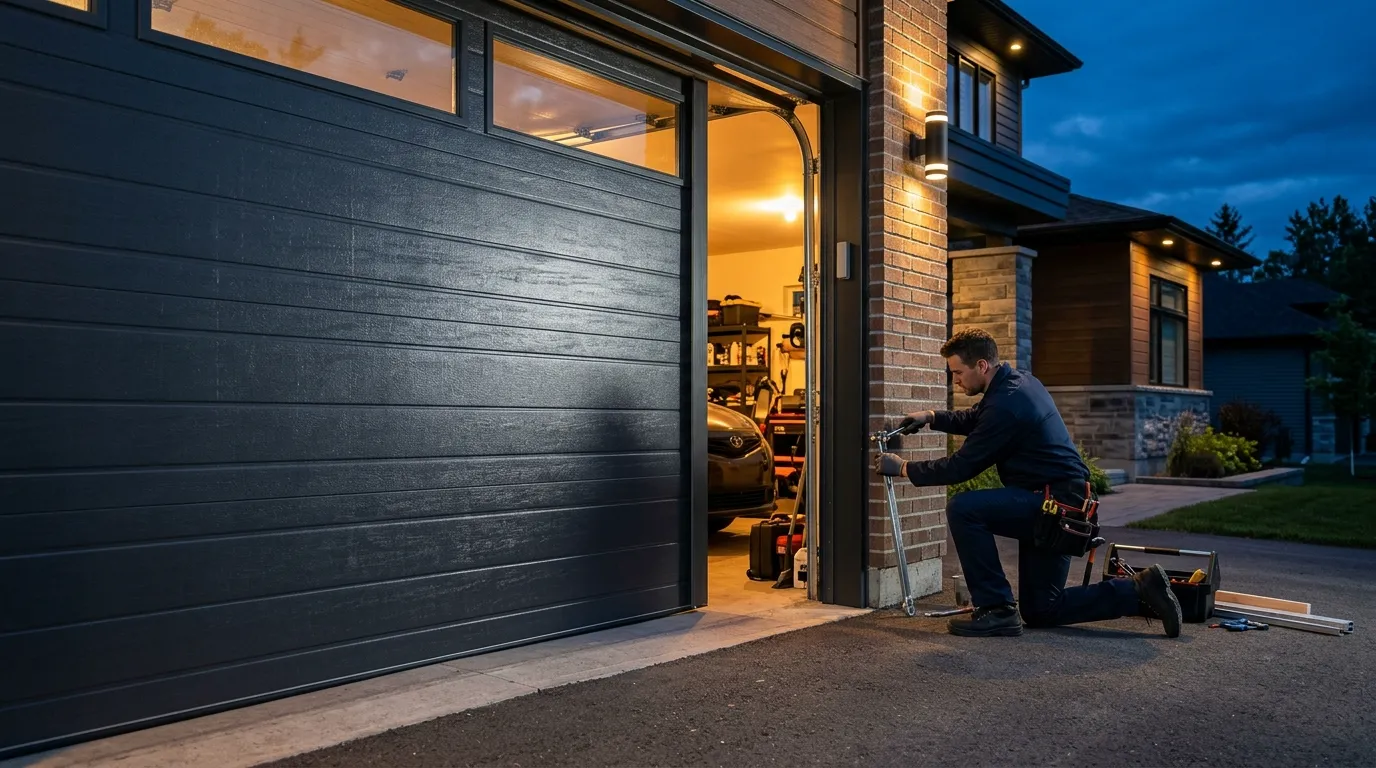
Garage Door Service
Tune-ups, lubrication, and safety checks that catch a small problem before it becomes a service call.
Learn more →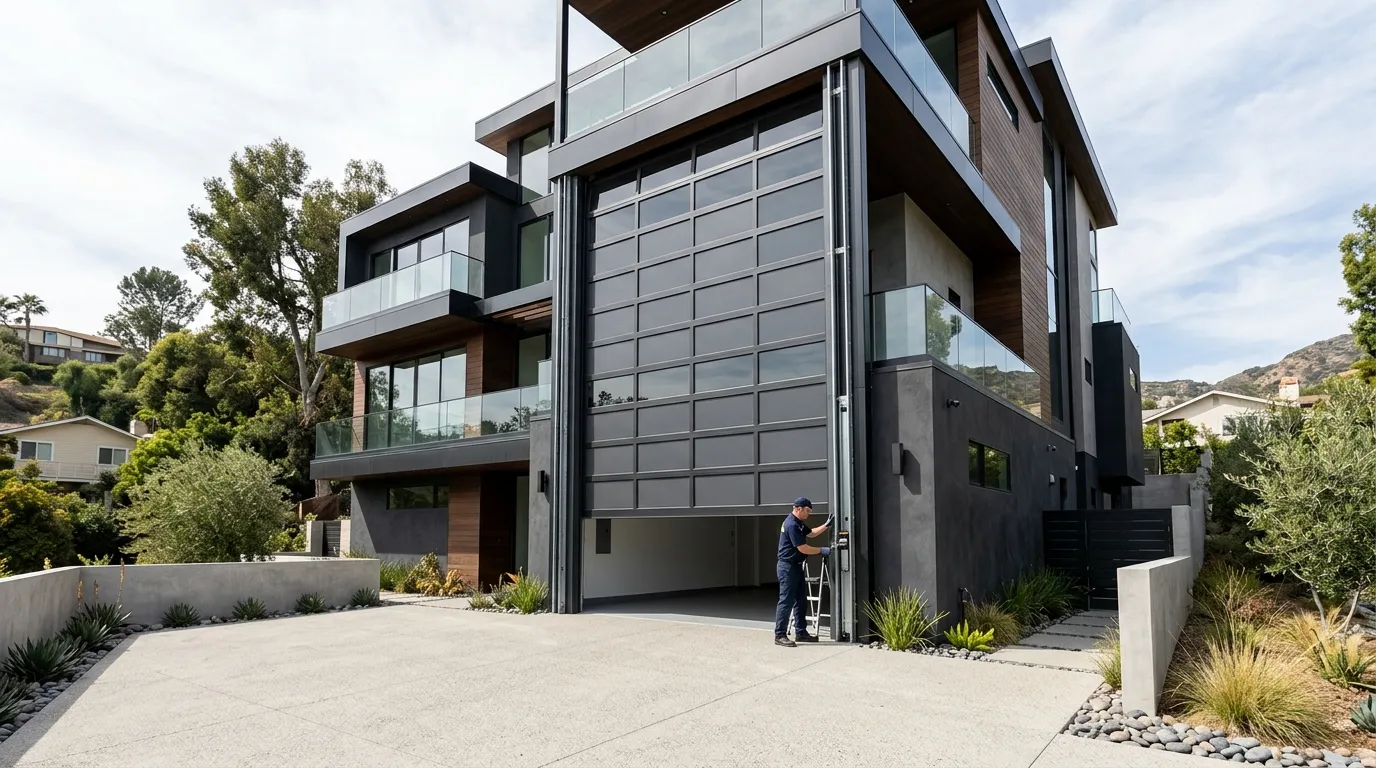
Garage Door Maintenance
Garage Door Maintenance handled by trained, insured local technicians with upfront pricing.
Learn more →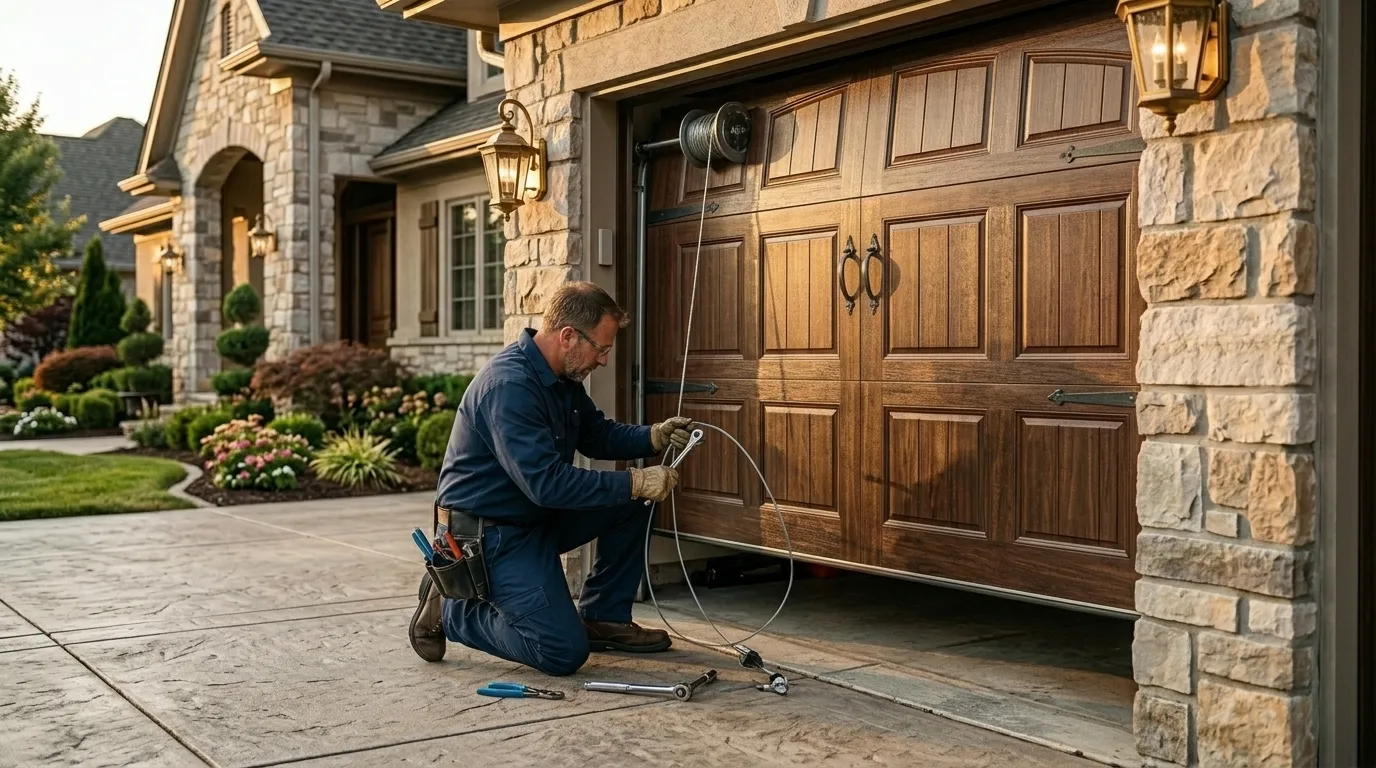
Garage Door Roller Replacement
Worn, noisy rollers swapped for smooth nylon ones so the door runs quiet.
Learn more →Why Dayton Calls Us
Local facts, not a franchise script.
What Happens When You Call
-
1
Call or Request a Quote
Tell us what the door is doing and roughly how old the house is - that alone points us toward the likely part before a truck leaves.
-
2
On-Site Diagnosis
A tech checks the spring, cables, tracks, and opener in person and tells you plainly what is actually wrong.
-
3
Straight Price, No Surprises
You get a number before any work starts. It covers parts and labor, nothing added after the fact.
-
4
Fixed the Same Visit
Most repairs are done in one trip. If a part needs sourcing, we tell you that upfront instead of guessing.
How a Call Goes
You call, you tell us what the door is doing (or not doing), and we ask a few questions before we ever get in the truck: how old is the house, is it a single or double door, has anyone already tried to force it. That last one matters more than people think, because half the emergency calls we get involve someone who tried to lift a door with a broken spring and bent the track doing it.
We give you a window, we show up in it, and we look at the door before we touch it. If it's a five-minute fix, we tell you that instead of finding reasons to stretch the job. If it's not fixable that day because a part has to be ordered, we tell you that too and we don't leave the door in a state where it can fall.
One limitation worth saying up front: we're not a same-day parts warehouse. Some openers and older panel styles take time to source, especially on houses built before the doors were standardized the way they are now. We'll tell you honestly if your job is one of those.
What We Fix Most Here
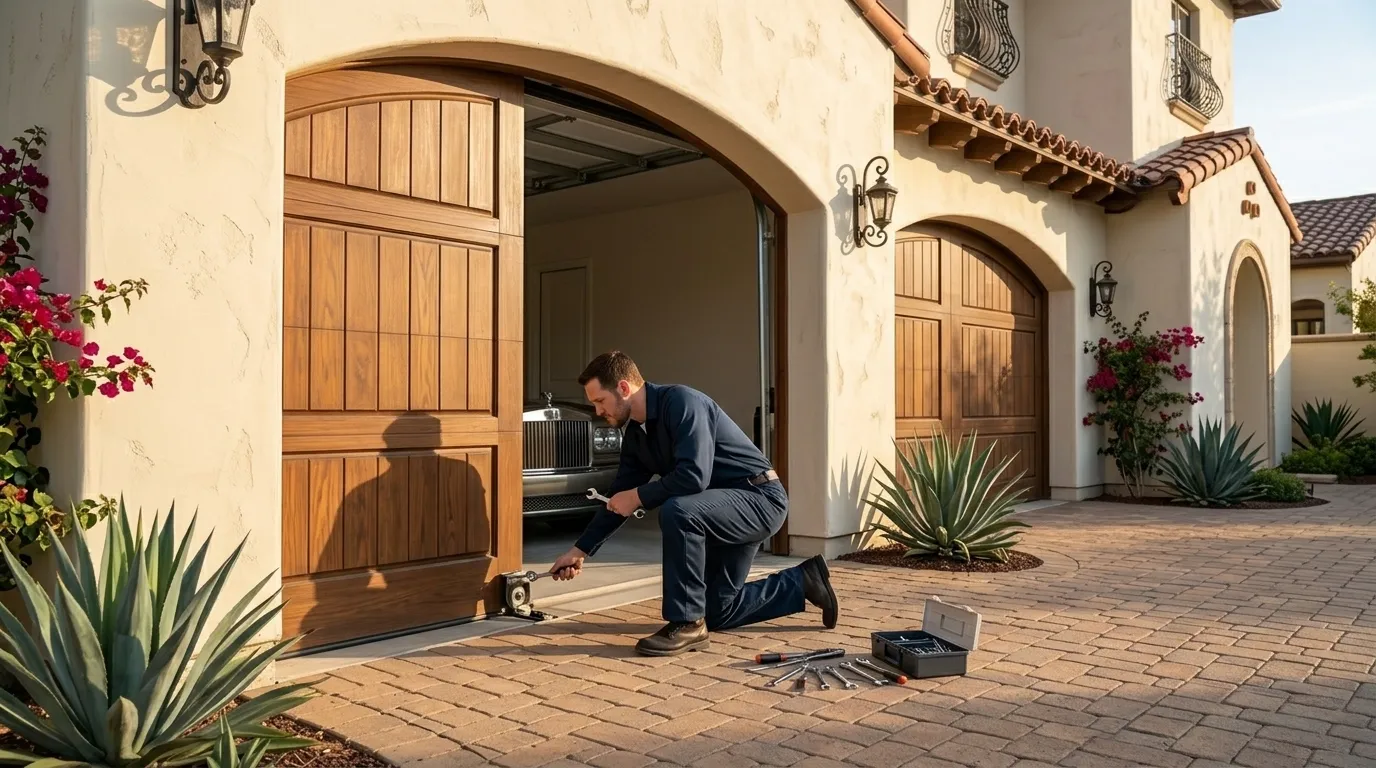
Most of the service area was built between 1938 and 1998, with the median house going up around 1971, and that shows up directly in what breaks. A lot of the doors we see are original one-piece or early sectional units on side-mounted torsion springs - hardware that was standard in the 1960s and 70s but isn't something the big box stores stock anymore.
Across the 37 named areas we cover, the pattern repeats: torsion springs that have finally given out after decades of cycles, rollers worn oval instead of round, and openers from the first wave of chain-drive units that are simply at the end of their service life. We also see cable fraying on doors that were never upgraded to galvanized cable when that became standard.
Winter adds its own list. In a climate this cold, steel contracts, lubricant thickens, and a spring that was already weak from age is the one that snaps on the first hard freeze morning. We see a real jump in spring calls once the cold sets in hard.
Who Turns Up
We work out of Dayton and cover the surrounding communities, from close-in areas like McCook Field and Downtown to towns further out - Shiloh, Riverside, Oakwood, Moraine, Trotwood, Vandalia, Kettering, Huber Heights, Englewood, West Carrollton, Clayton, Union, Fairborn, and further still to Miamisburg, Springboro, Xenia, and the rest of the region out toward Franklin and Wilberforce.
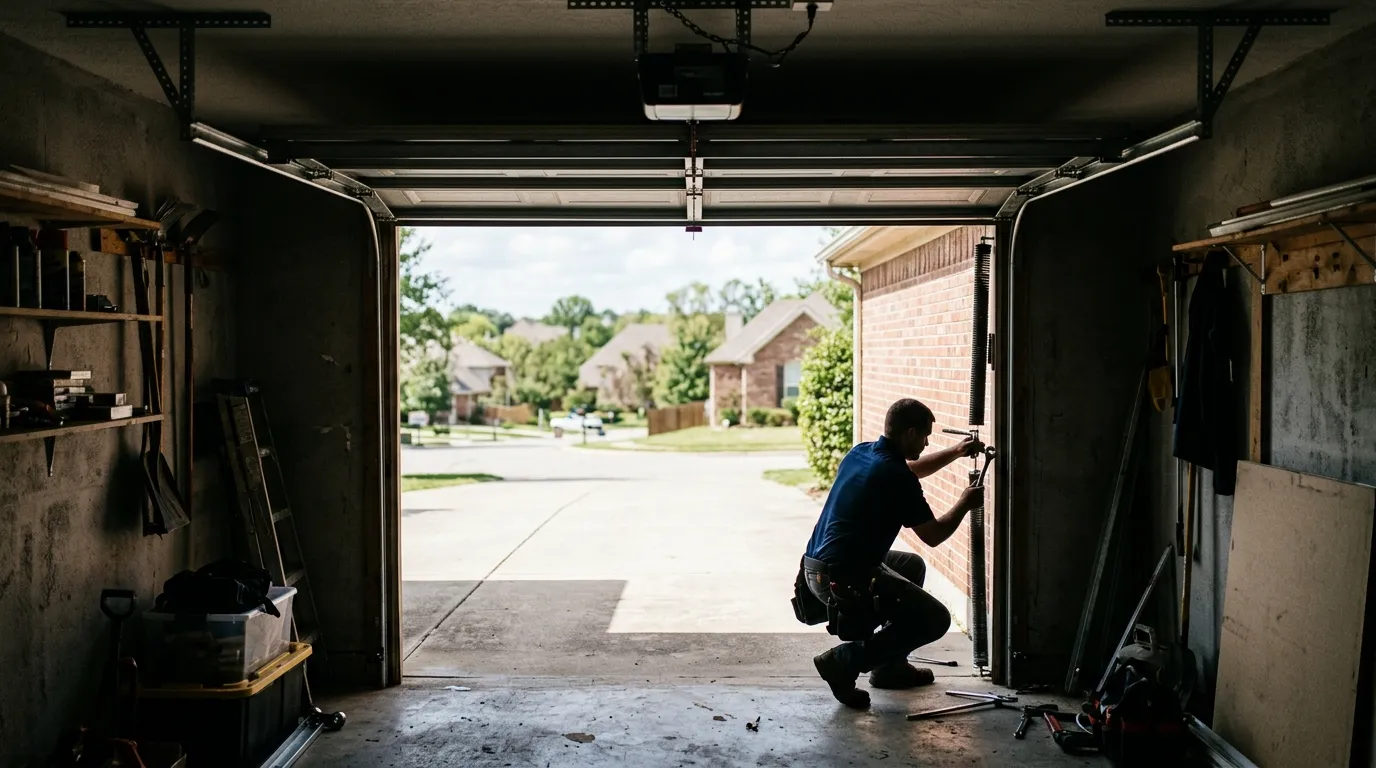
We don't claim years in business or a fleet count here because that's not the point. The point is that whoever comes to your door has looked at torsion springs on 1970s-built houses often enough to know which side-mount brackets are original and which have been swapped out badly by a previous owner. That's a narrower kind of experience than "we fix garage doors," and it's the kind that actually matters when your door is the original one from when the house was built.
The Area and Its Housing
The service area holds roughly 187,209 households, with 93,639 of those owner-occupied houses - a lot of driveways, a lot of doors, and a housing stock that skews older than what you'd find in a newer suburb. Most of it dates to the 1960s and 70s, sitting inside a broader build range of 1938 to 1998.
What that means in practice: a big share of the doors we work on were installed with hardware that predates modern safety standards, including auto-reverse mechanisms that only became mandatory later. If your door is original to a house from that era, it's worth having someone check whether the safety sensors were ever retrofitted, because a lot of them weren't.
It also means parts availability varies a lot by job. A door from a 1990s build is usually straightforward. A door from a 1965 build sometimes means adapting a modern spring or track to hardware that doesn't match anything currently manufactured.
What It Costs and Why
We're not going to put a number on this page that doesn't hold up once we're standing in your garage, because the honest answer is that cost depends on what's actually wrong and how old the parts are. A torsion spring swap on a standard double door is a different job than sourcing a compatible spring for an old size that isn't made anymore.
Median household income across the area runs around $70,000, and we price jobs with that in mind - we're not aiming this at a market where people expect premium-tier pricing on a routine spring replacement. What drives the number up isn't us marking up a simple job; it's parts availability on the older end of the housing stock, and whether a repair is even worth doing versus replacing a door that's outlived its hardware.
We'll always tell you when replacement is the better call, even though repair is the smaller job for us. A 50-year-old door with a warped panel and a shot opener isn't worth pouring repair money into indefinitely.
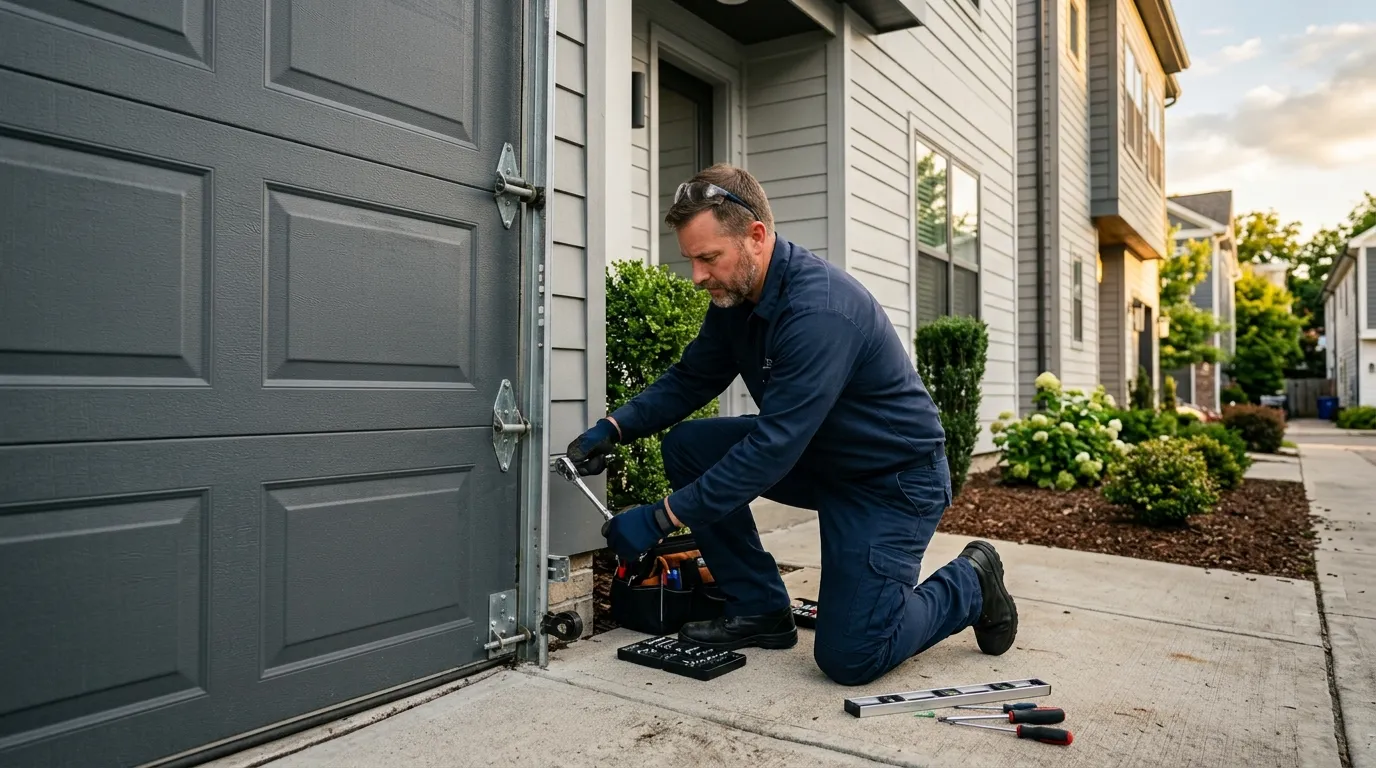
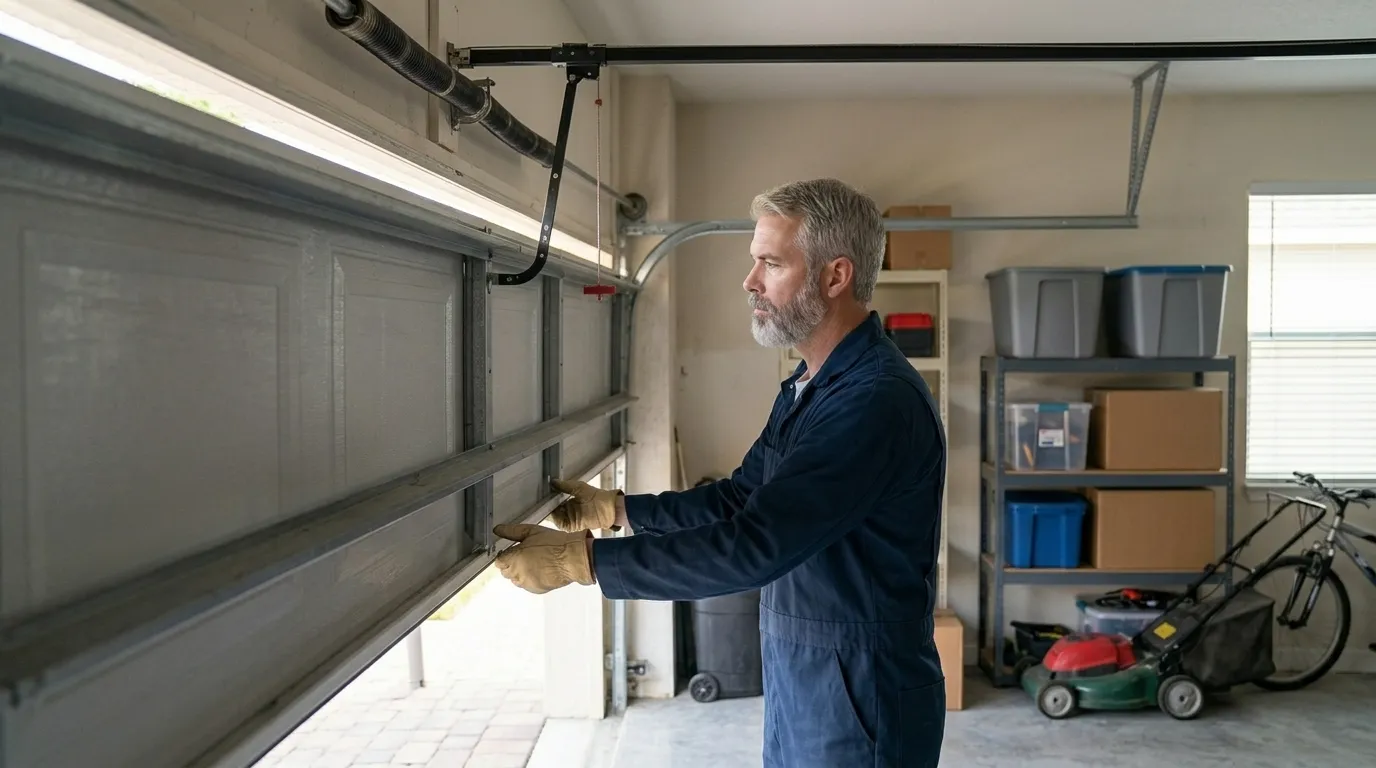
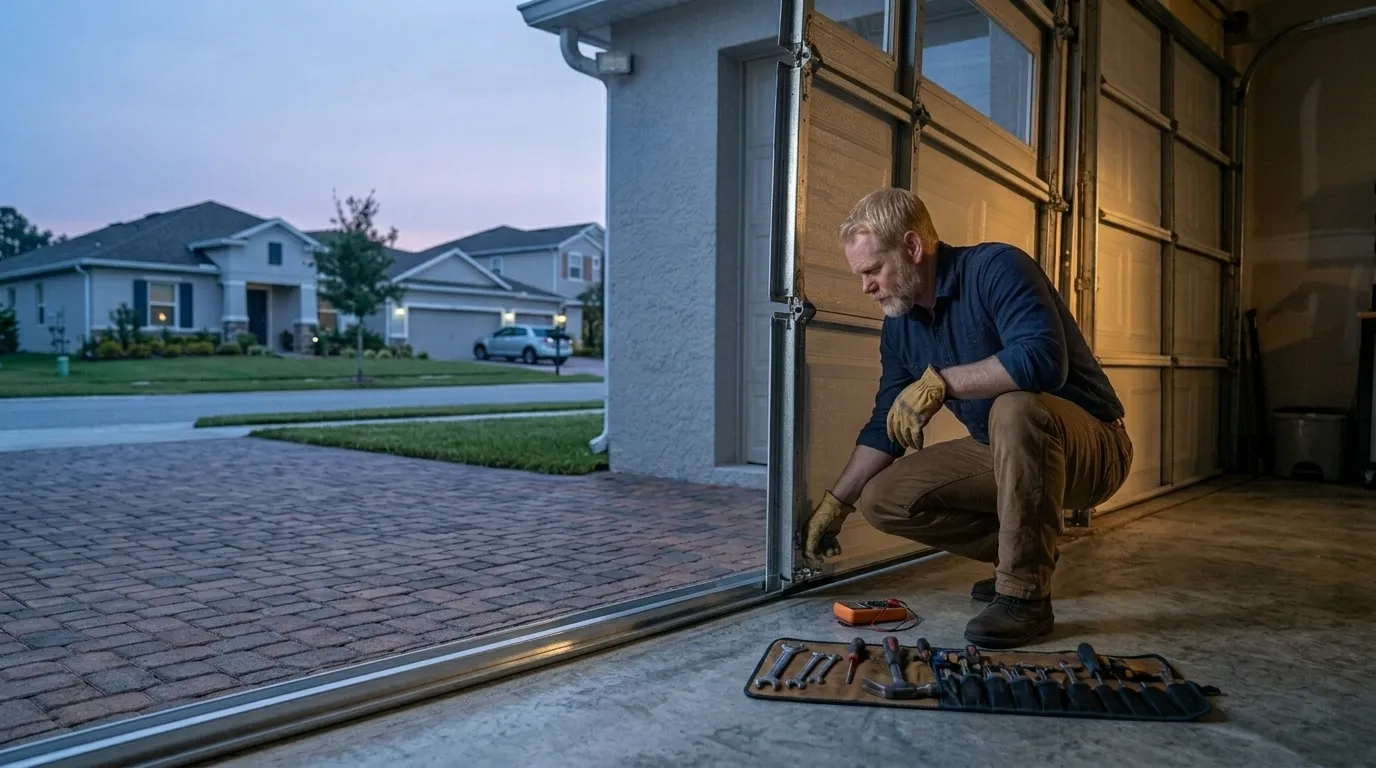
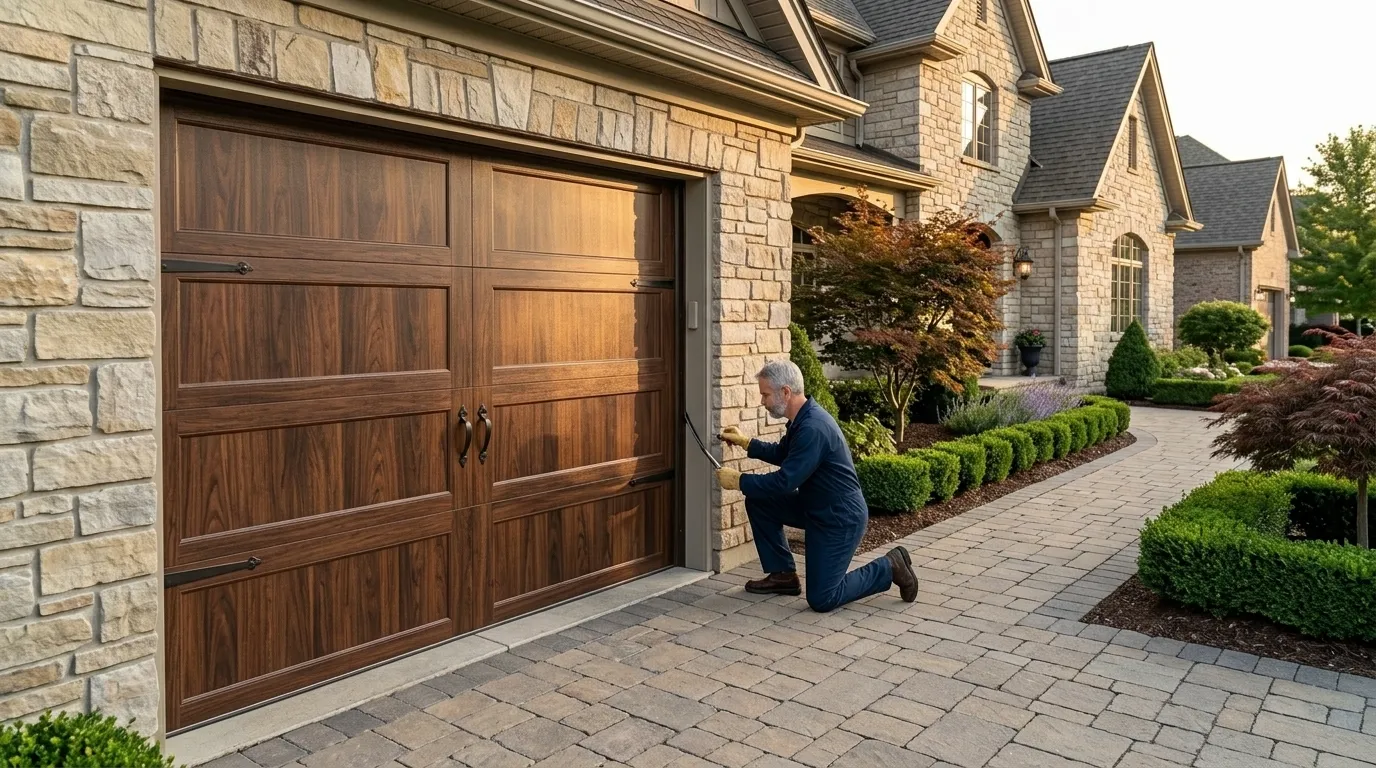
Recent Work Around Dayton
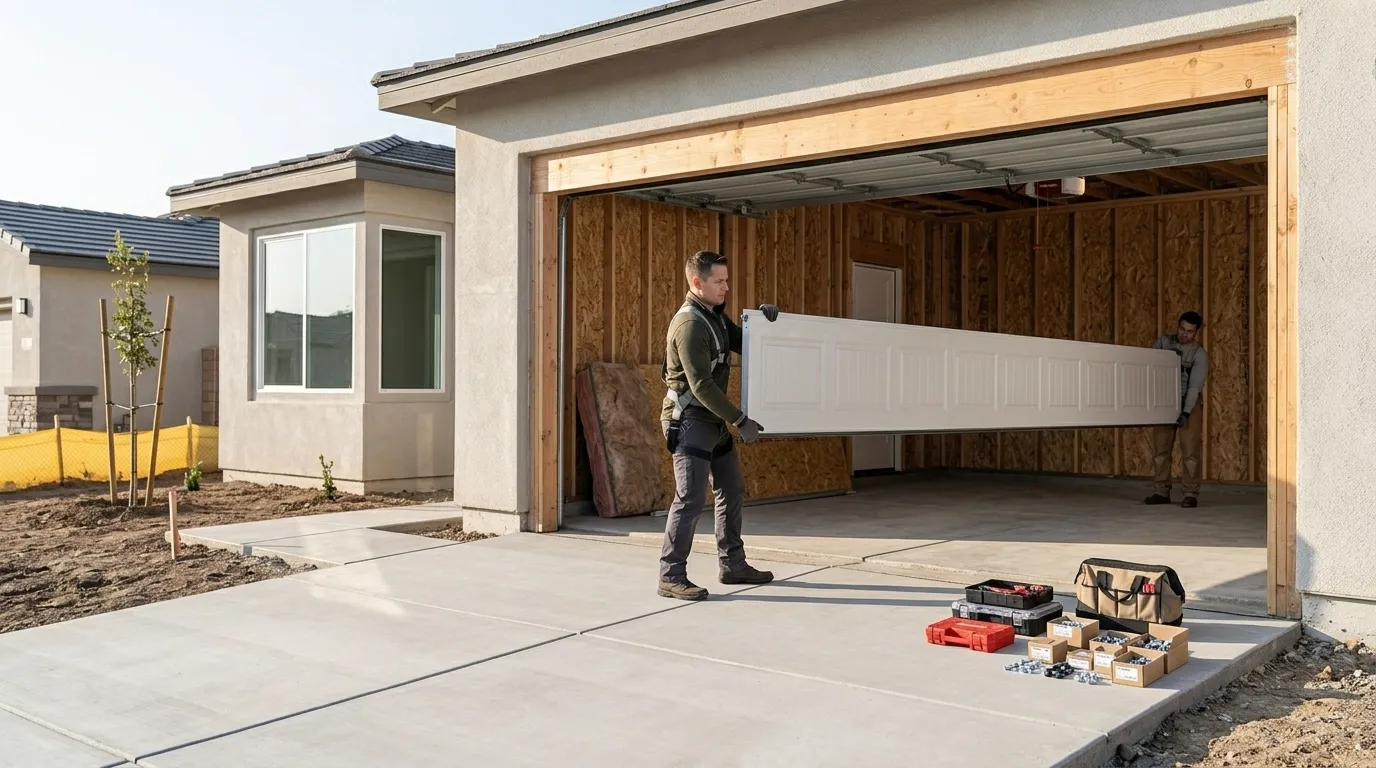
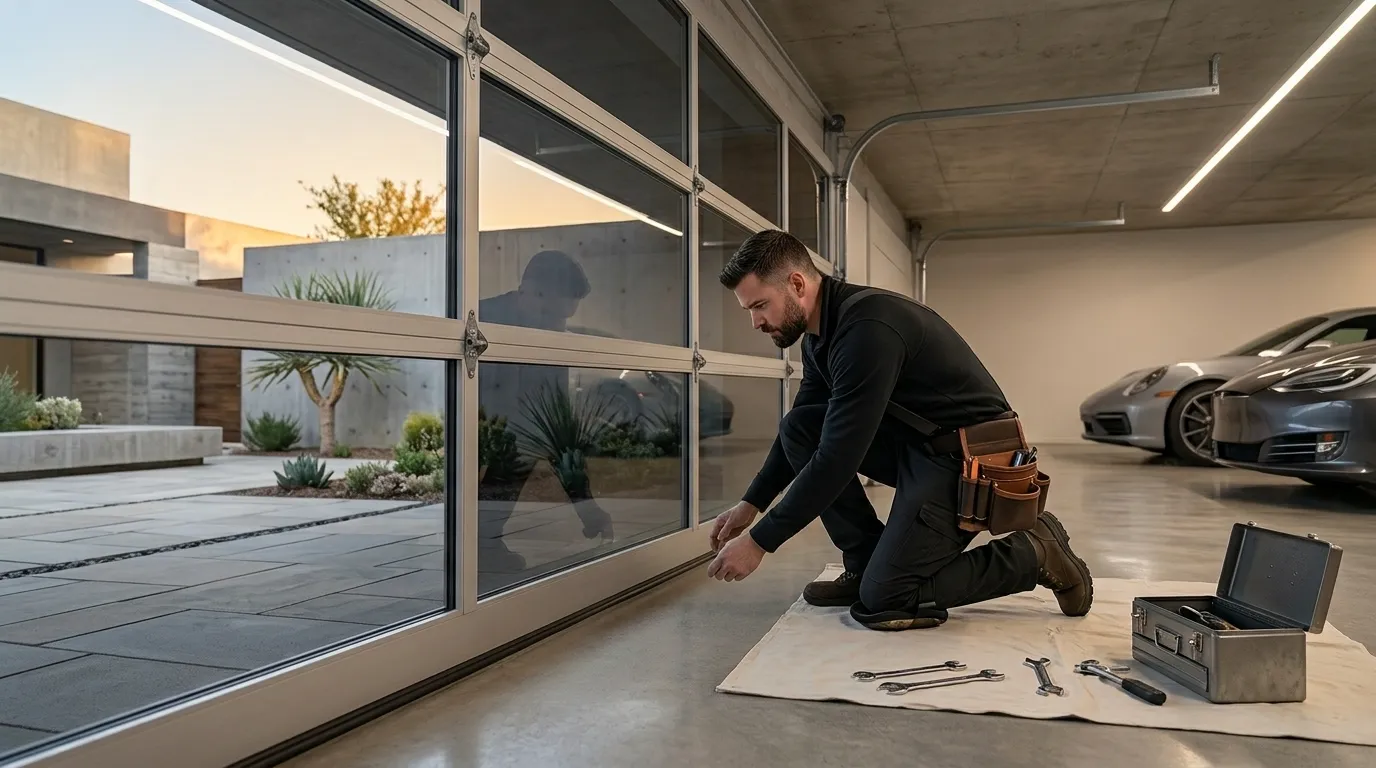
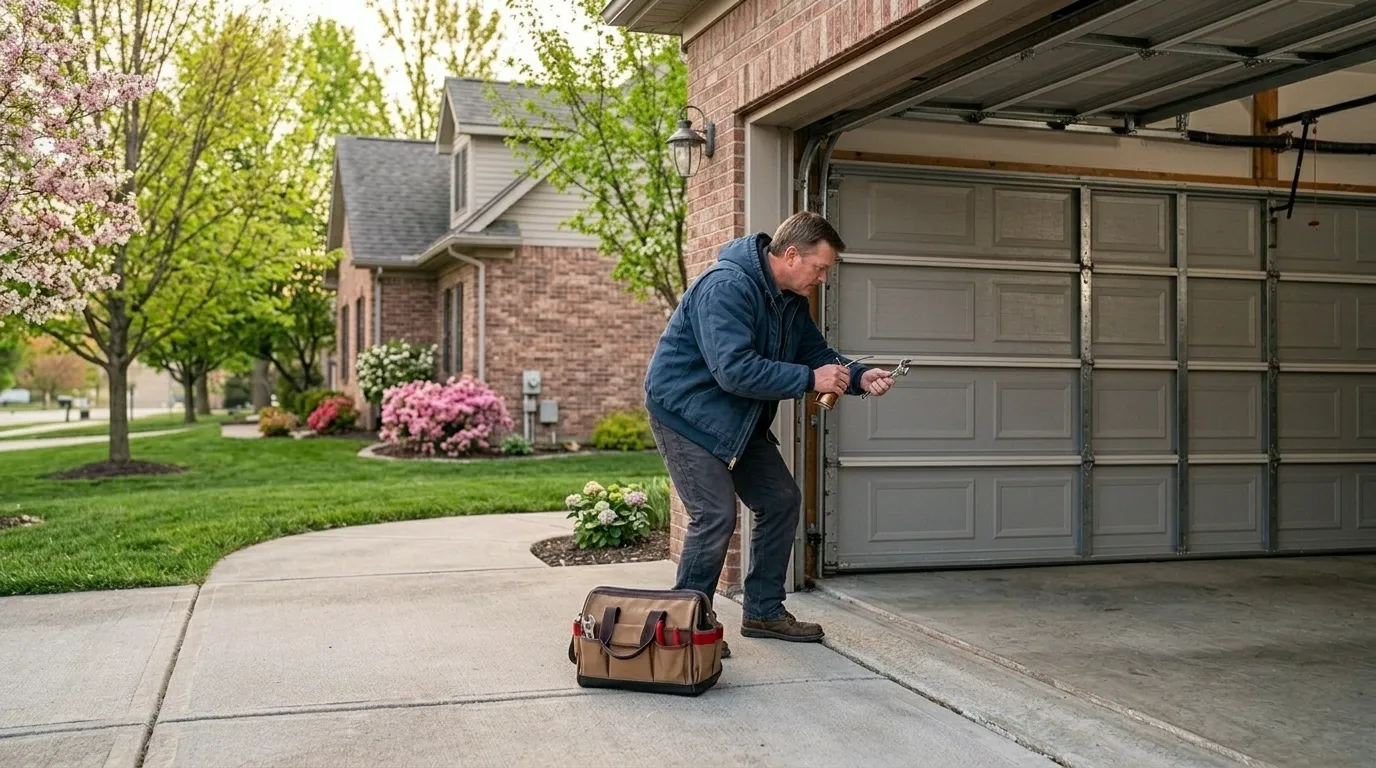
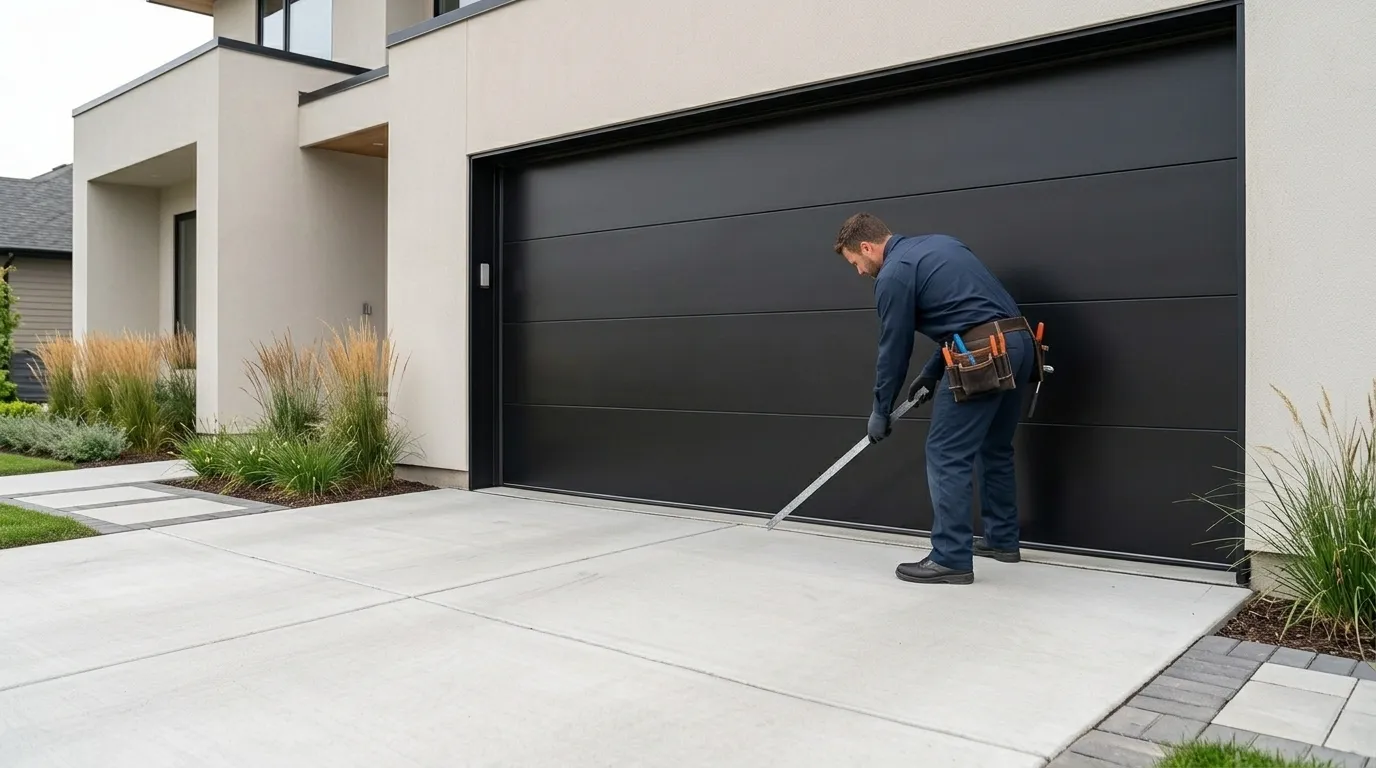
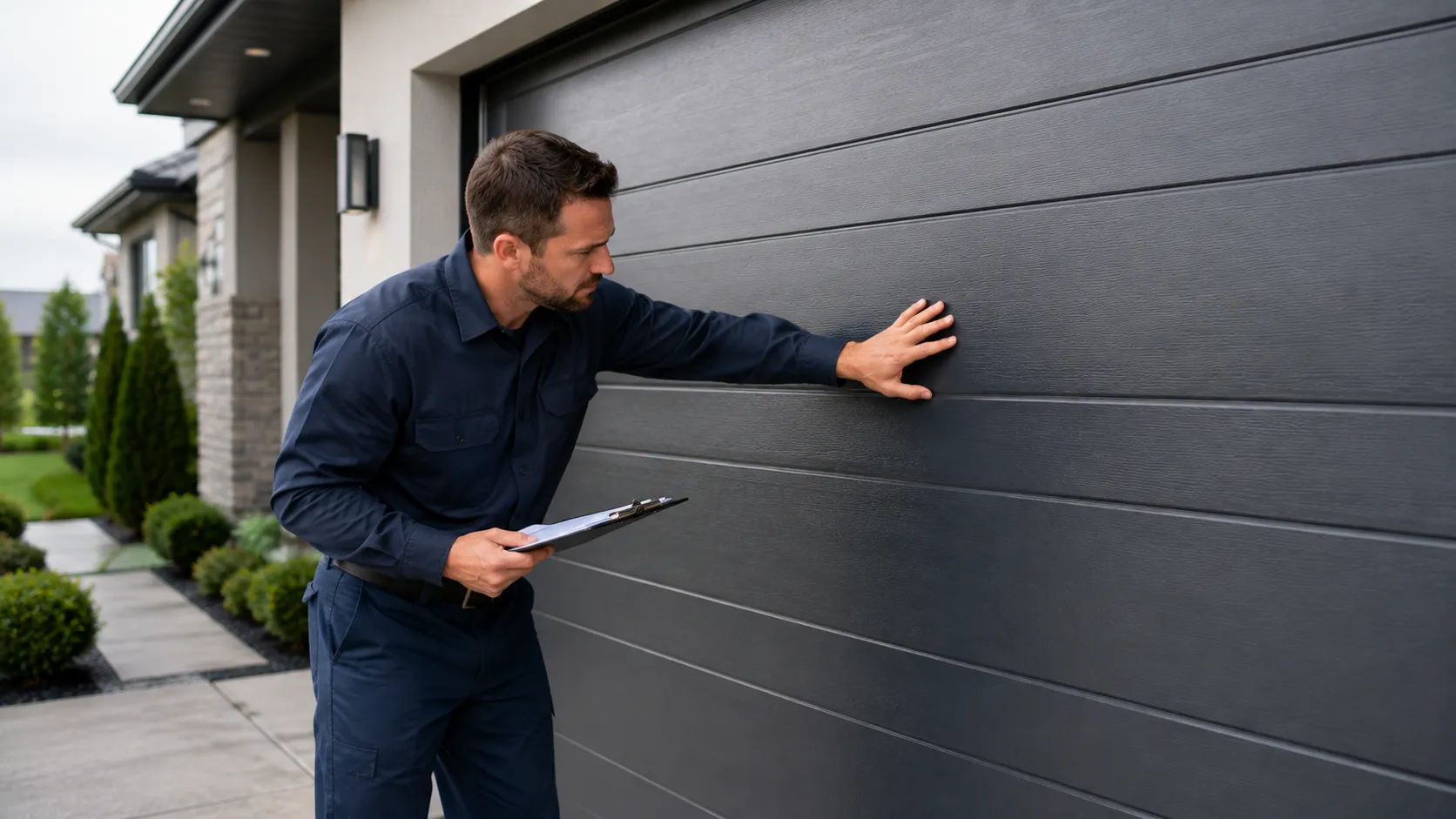
A look at the doors, springs, and openers our crew has been on lately.
Areas We Serve
Frequently Asked Questions
Do you work on older garage doors from the 1960s and 70s?
Yes, and it's most of what we do given the age of housing in this area. A lot of doors from that era use side-mounted torsion springs and hardware sizes that aren't standard anymore, so the job often involves adapting parts rather than grabbing something off a shelf.
How far out from Dayton do you go?
We cover the surrounding area out to towns like Xenia, Springboro, and Franklin, along with closer communities such as Kettering, Huber Heights, and Vandalia. If you're unsure whether your address is in range, just call and ask before you book anything.
Why does my spring keep breaking in winter?
Cold makes steel more brittle and lubricant thicker, so a spring that's already worn from years of cycles is more likely to snap on a hard freeze morning. This area gets severe cold stretches, and we see a real jump in spring calls once winter sets in.
Can you always get parts the same day?
Not always. Newer doors are usually straightforward, but older houses sometimes have hardware sizes that aren't made anymore, and sourcing a match can take longer than a same-day visit. We'll tell you honestly if your job is one of those before we quote anything.
Ready to Get Your Door Fixed Right?
Call now or request a quote online, and we will tell you straight what your door needs.