
Dayton Garage Door Guide
Weather Seals and Draughts on Older Dayton Garage Doors
Dayton homes built mostly in the 1960s and 70s face real winter draughts through worn garage door seals. Here's what to check before the cold sets in.
- Licensed & Insured
- Same-Area Service Calls
- Upfront Pricing
Leaving It Alone
A lot of Dayton homeowners leave the bottom seal alone until it's cracked clean through, and for a door that's out most of the year, that's not unreasonable. Median build year across this area sits around 1971, with most of the stock going up between 1938 and 1998, so plenty of these doors and frames have settled over fifty-plus years. Settling means gaps that weren't there when the house was new.
If your door still closes flush and you don't feel air moving around the bottom or sides when it's shut, you can leave it another season. But "still closes flush" is doing a lot of work in that sentence - on a house from the 1960s or 70s, the slab has usually shifted enough that the seal is compensating for a gap that isn't uniform anymore. That's worth a look even if nothing feels obviously wrong yet.
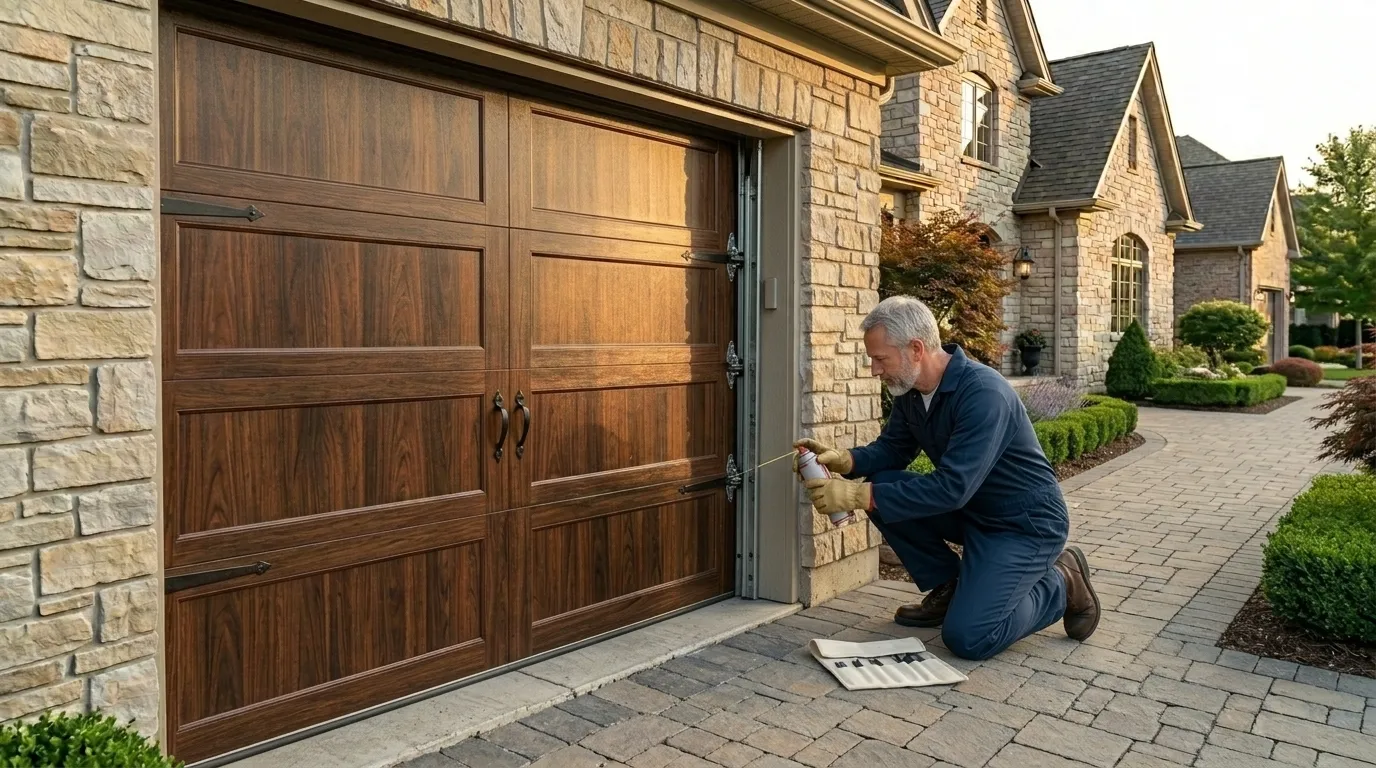
Where I'd stop waiting: if you can see daylight at the corners, or if the seal has gone stiff and flat instead of round, that's not a wait-and-see situation once a Dayton winter sets in. Cold-band winters here don't forgive a compressed seal the way a milder climate might.
What Local Conditions Do
Dayton sits in a cold, severe climate band, and that matters more for seals than for almost any other door part. Rubber bottom seals and side weatherstrip get brittle in sustained cold, and brittle rubber doesn't flex back into shape after the door cycles - it cracks and stays cracked. On a house built in the 1971 median-year range, the original door opening was framed to a tolerance that was fine for its era but isn't forgiving of a seal that's lost its give.
Freeze-thaw cycling through a Dayton winter also works on the concrete slab under the door, and a slab that's heaved even a little will open a gap a seal can't cover no matter how new it is. This is the part that trips people up: they replace the seal, the draught comes back in eight months, and the seal wasn't the problem - the slab or the track alignment was. In a severe cold climate, that combination of brittle rubber and a shifting slab under 1960s-70s construction is a recurring pairing, not a one-off.
What to Look At First
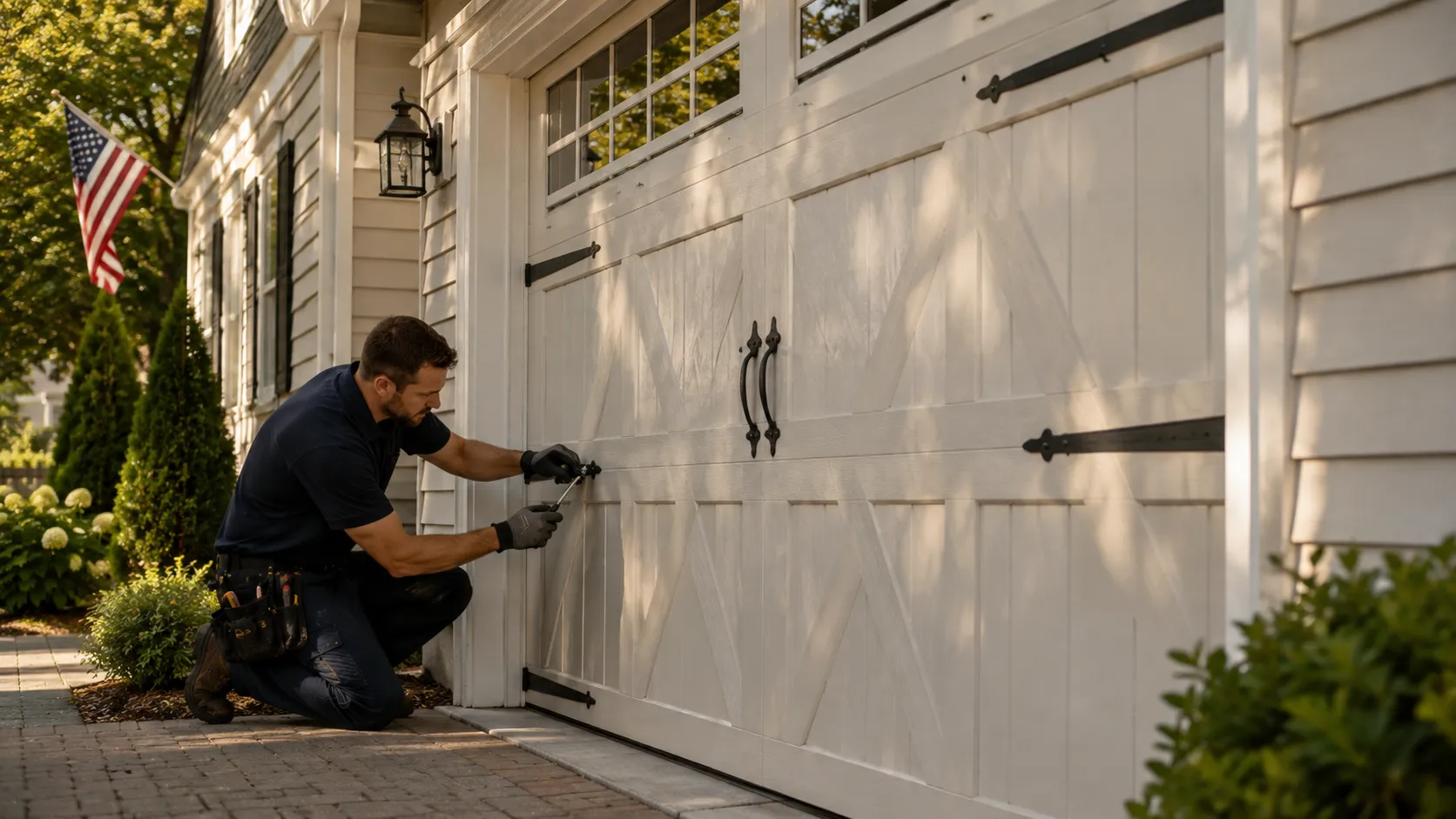
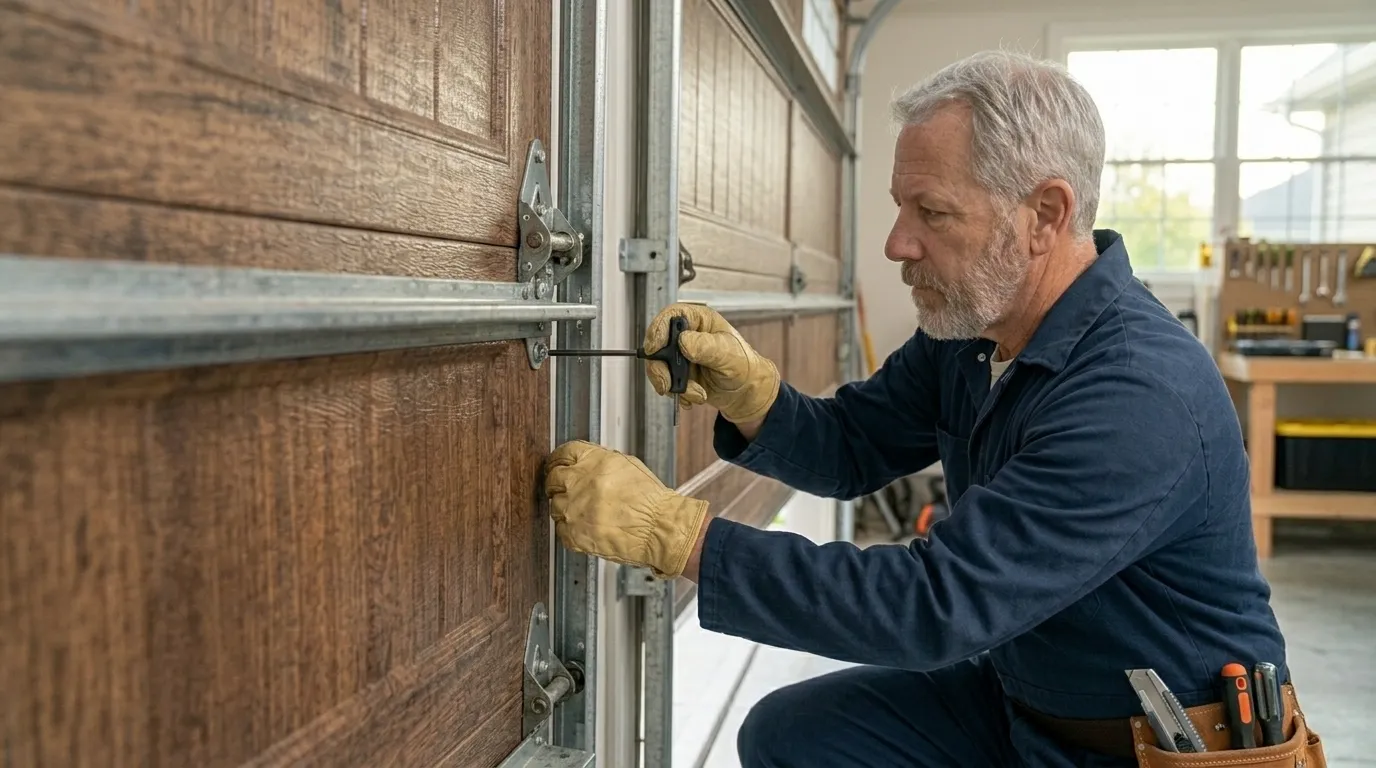
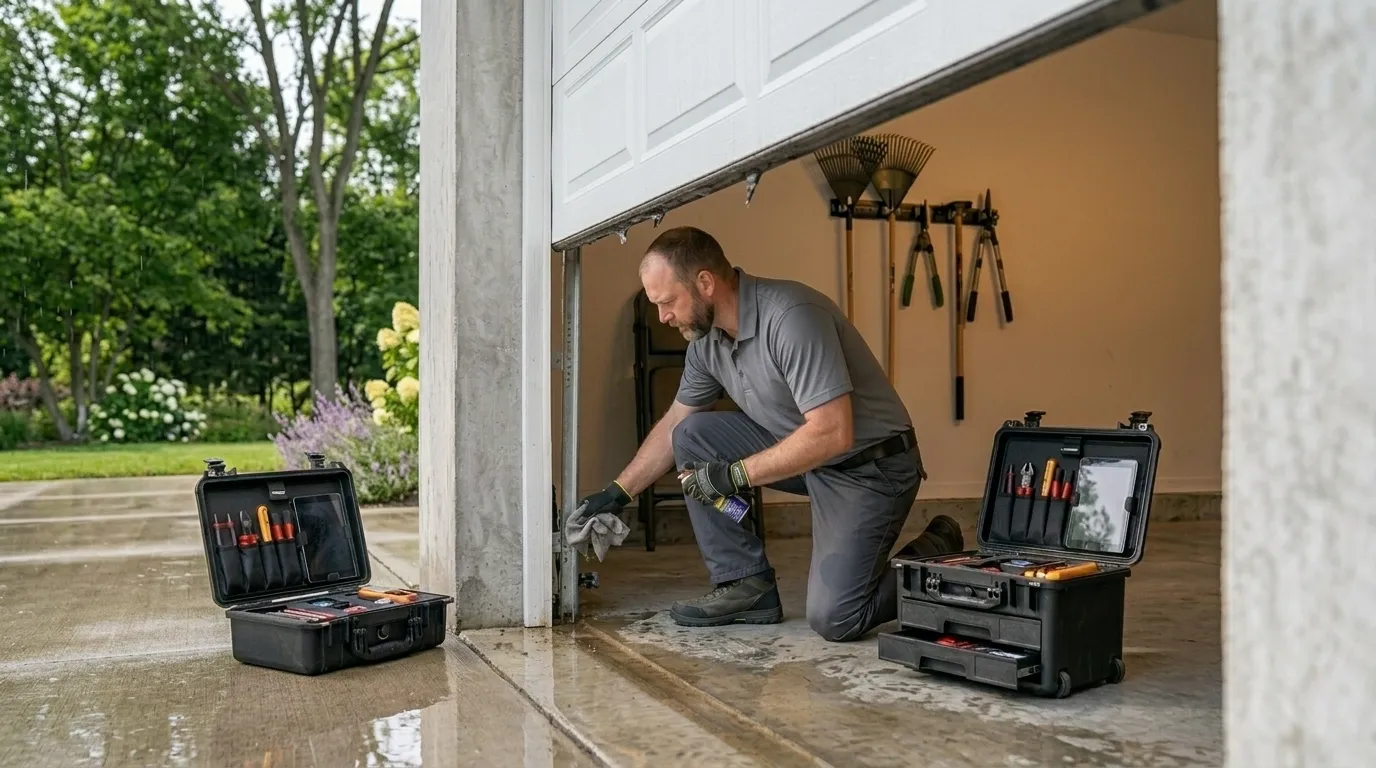
Start at the bottom seal, since it's the cheapest and fastest thing to rule out. Press a finger along its length with the door closed - if it's hard instead of springy, that's your first draught source and an easy fix. Next, check the side and top weatherstrip where it meets the frame; on older Dayton houses this is often the original track position, never adjusted since install, and it's common to find a quarter-inch gap on one side that's been there since the door went in.
Third, look at the frame itself for daylight - hold a flashlight inside at night and have someone check from outside. If light gets through at the corners, that's a framing or slab issue, not a seal issue, and no amount of new rubber fixes it. Last, feel around the opener's weather guard if the door has one; on 1970s-era installs these are often missing entirely since they weren't standard then.
None of this needs tools beyond a flashlight and a flat hand - it's a fifteen-minute check that tells you which of the four things is actually letting the cold in.
The Situation
Here's the honest limit: if the gap is coming from a warped panel or a slab that's heaved more than a little, a new seal buys you a season at best, not a fix. I won't sell a seal replacement as a solution to a structural gap - that's a wasted trip for both of us. For a straightforward bottom-seal swap or side weatherstrip on a door built to the openings common in this area's 1960s-70s stock, it's usually a same-visit job.
For anything involving the slab or a warped section, that's a longer conversation about whether the door itself is worth keeping. Given the age spread on housing here - some of it pushing sixty years old - that conversation comes up more in Dayton than it would on a newer street. I'd rather tell you that upfront than have you replace a seal three times before we get to the real cause.
How We Can Help
Garage Door Repair
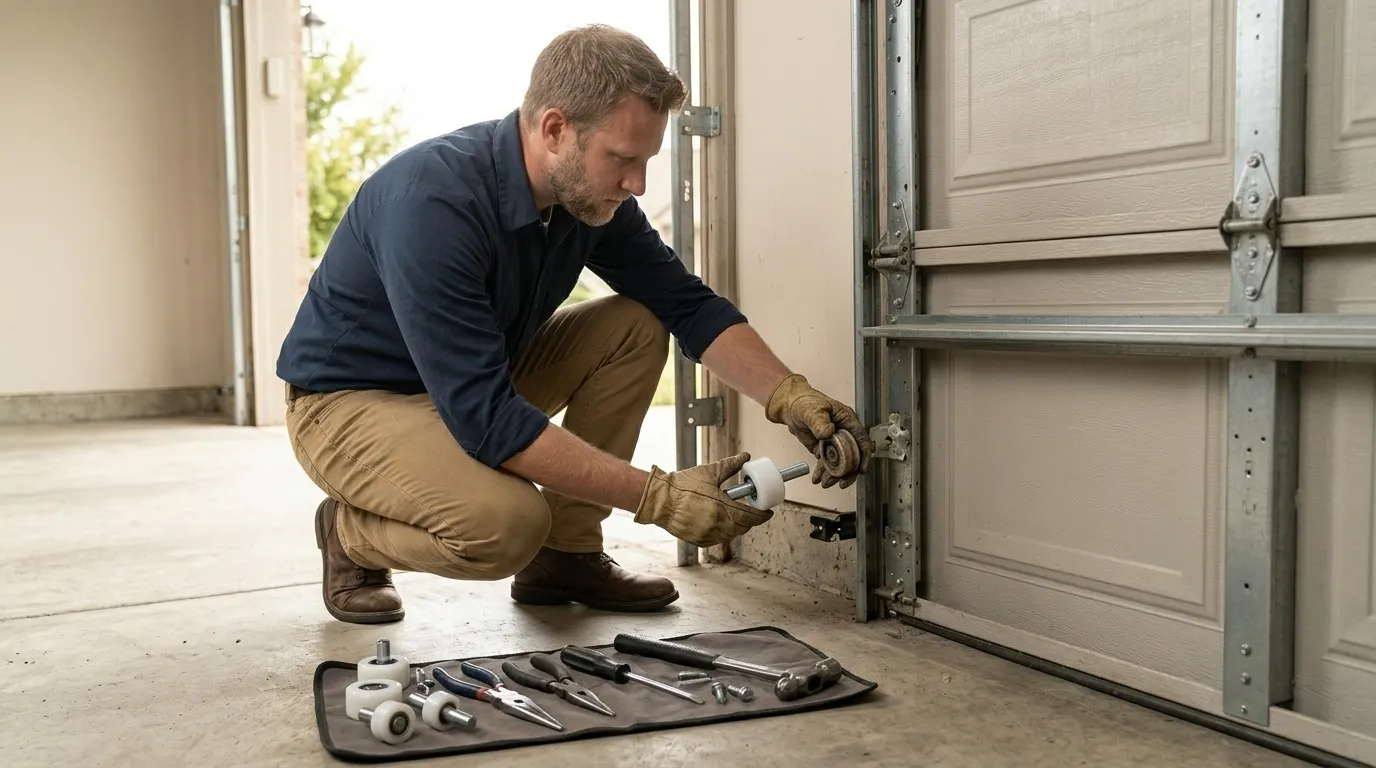
Springs, cables, tracks, rollers, and openers fixed by a tech who explains the problem before touching anything.
Learn more →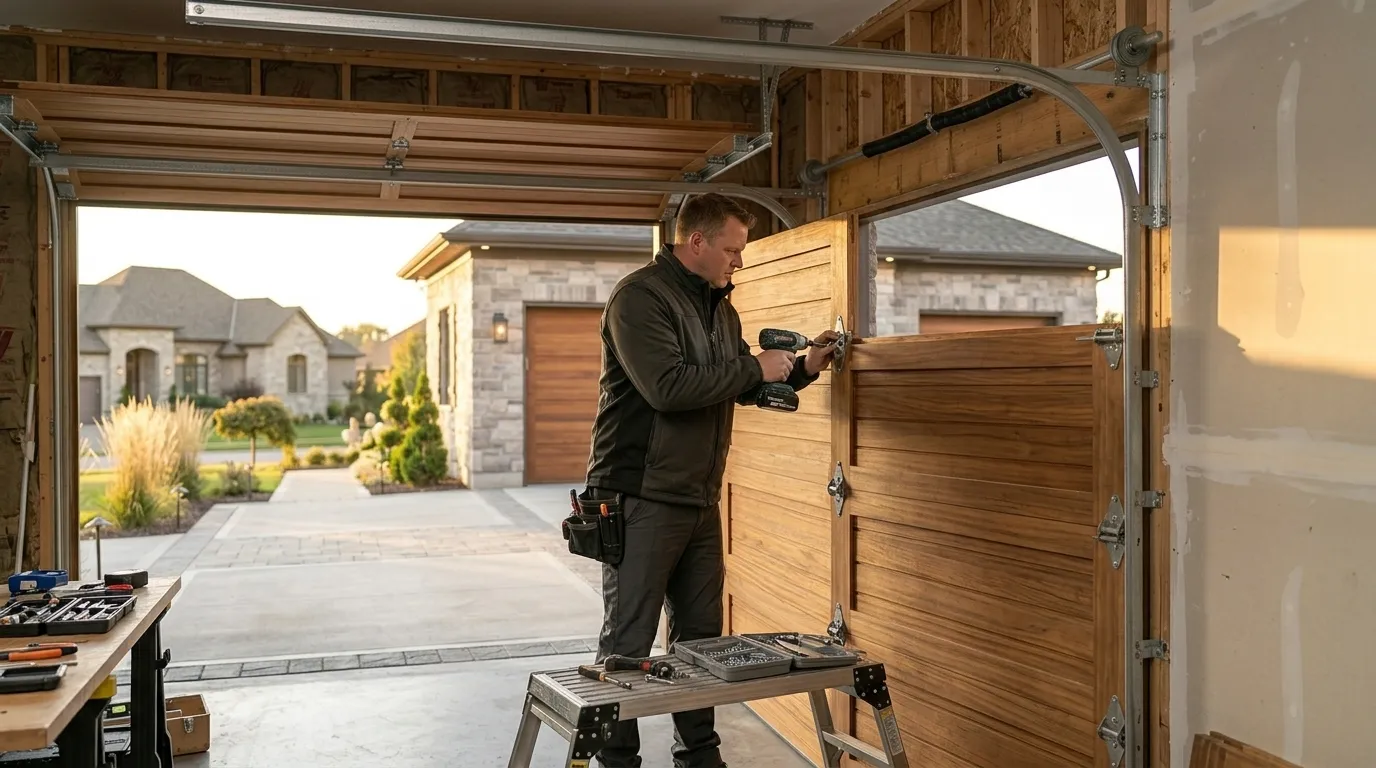
Garage Door Installation
New sectional doors sized and installed for the housing stock actually built in this area.
Learn more →
Garage Door Service
Tune-ups, lubrication, and safety checks that catch a small problem before it becomes a service call.
Learn more →Frequently Asked Questions
Why does my garage door let in cold air even with a new bottom seal?
On houses in this area built mid-century, the slab underneath the door has often shifted slightly over fifty-plus years. A new seal can't compensate for an uneven slab or a frame that's settled unevenly - it needs a flat surface to seal against. If the draught comes back within a year of a new seal, the slab or frame is the more likely cause.
How often should I check my seals given Dayton's winters?
Once a year before the cold sets in is reasonable, since the severe cold band here is hard on rubber. Check for stiffness and cracking rather than going by age alone - a seal exposed to more direct sun or wind can go brittle faster than one on a sheltered side of the house.
Is it worth replacing seals on a door built in the 1970s?
Usually yes, if the panel and track are otherwise sound - it's a low-cost fix for a real draught. But on original 1960s-70s doors we sometimes find the frame itself has moved enough that a seal alone won't close the gap, and that's worth ruling out before you spend on rubber.
Have a Door That Needs a Second Opinion?
Call and describe what it is doing - we will tell you what it likely is.