
Dayton Garage Door Guide
What Power Outages Do to a Dayton Garage Door Opener
Dayton's cold winters and older housing stock mean opener failures during power cuts hit different. Here's what actually matters before you call for a repair.
- Licensed & Insured
- Same-Area Service Calls
- Upfront Pricing
Leaving It Alone
If your opener loses power and the door just sits there, that's not a failure - that's the opener doing exactly what it's built to do. No electricity, no motor. Most homeowners panic and start pulling on the red release cord before they've even checked the breaker.
Don't. If the outage is short and the door was already down, leave it. The opener has no idea a storm happened; it'll pick back up the moment power returns, and running the diagnostics on a unit that's simply asleep wastes a call.
The one thing worth checking without calling anyone is whether the outage tripped your GFCI or the opener's own circuit - a lot of the houses in this area, going back to the 1938 to 1998 build range, have garage circuits that were added or upgraded well after the house went up, and those additions don't always share a breaker with the rest of the house. If the opener light doesn't come on but everything else in the house has power, that's worth a look before you assume the opener itself failed.
What Local Conditions Do
Dayton sits in a severe cold climate band, and that matters more for openers than people expect. Winter storms here knock out power for reasons that have nothing to do with the garage - ice on lines, downed limbs, grid load - and when that happens during a cold snap, two things stack on top of each other. First, the battery backup units built into newer openers lose capacity fast in cold garages; a battery rated for 20 cycles at room temperature might give you three or four when the garage is sitting near freezing.
Second, cold makes grease and chain lubricant stiffen up, so even a battery-backed opener working through an outage is working harder than it should, straining a motor that's already fighting friction. In a lot of the neighborhoods built in the 1960s and 70s that make up most of this area's stock, garages are unheated and uninsulated by original design, so that cold hits the opener directly, not through a buffer.
What to Look At First
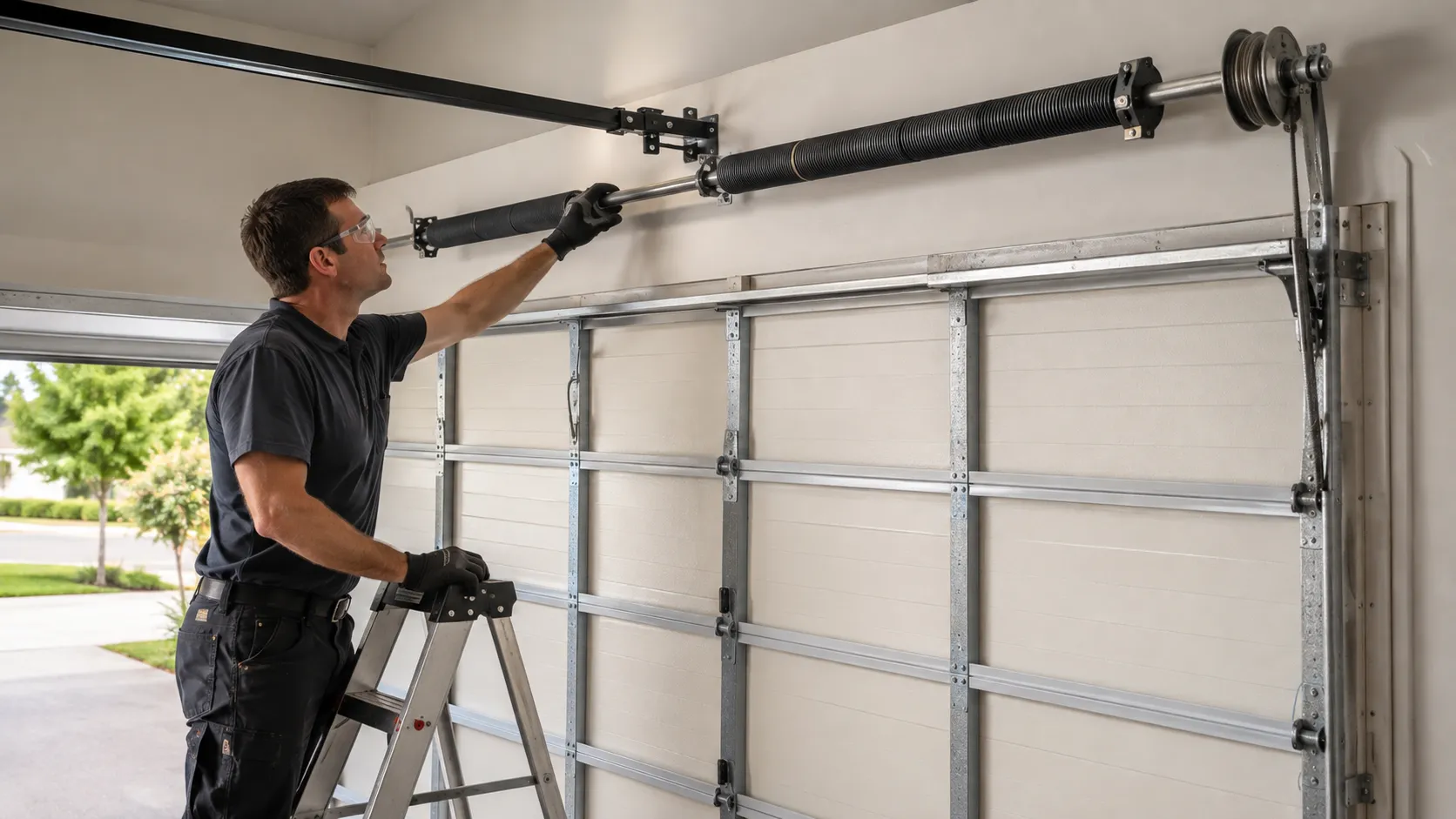
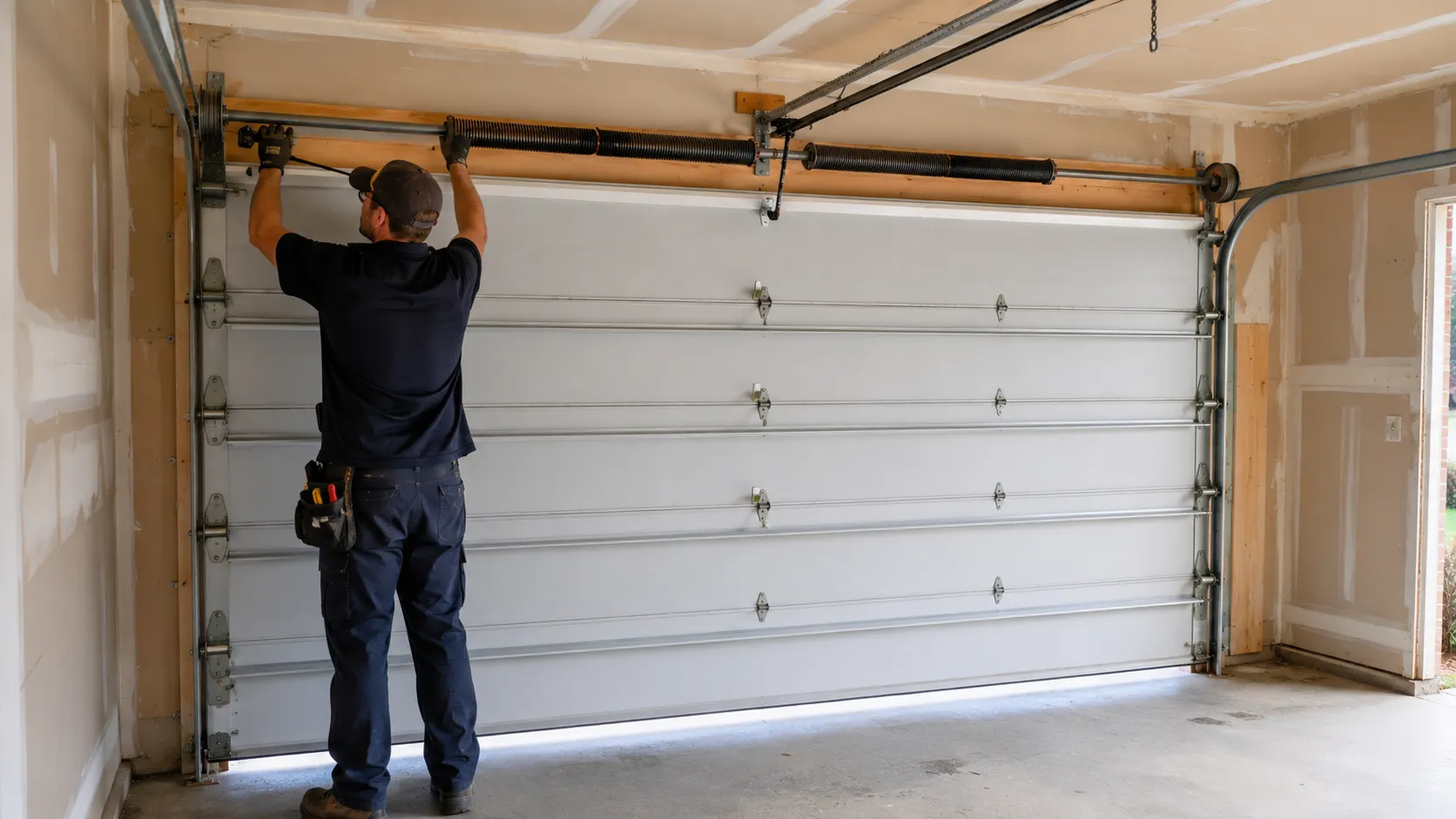
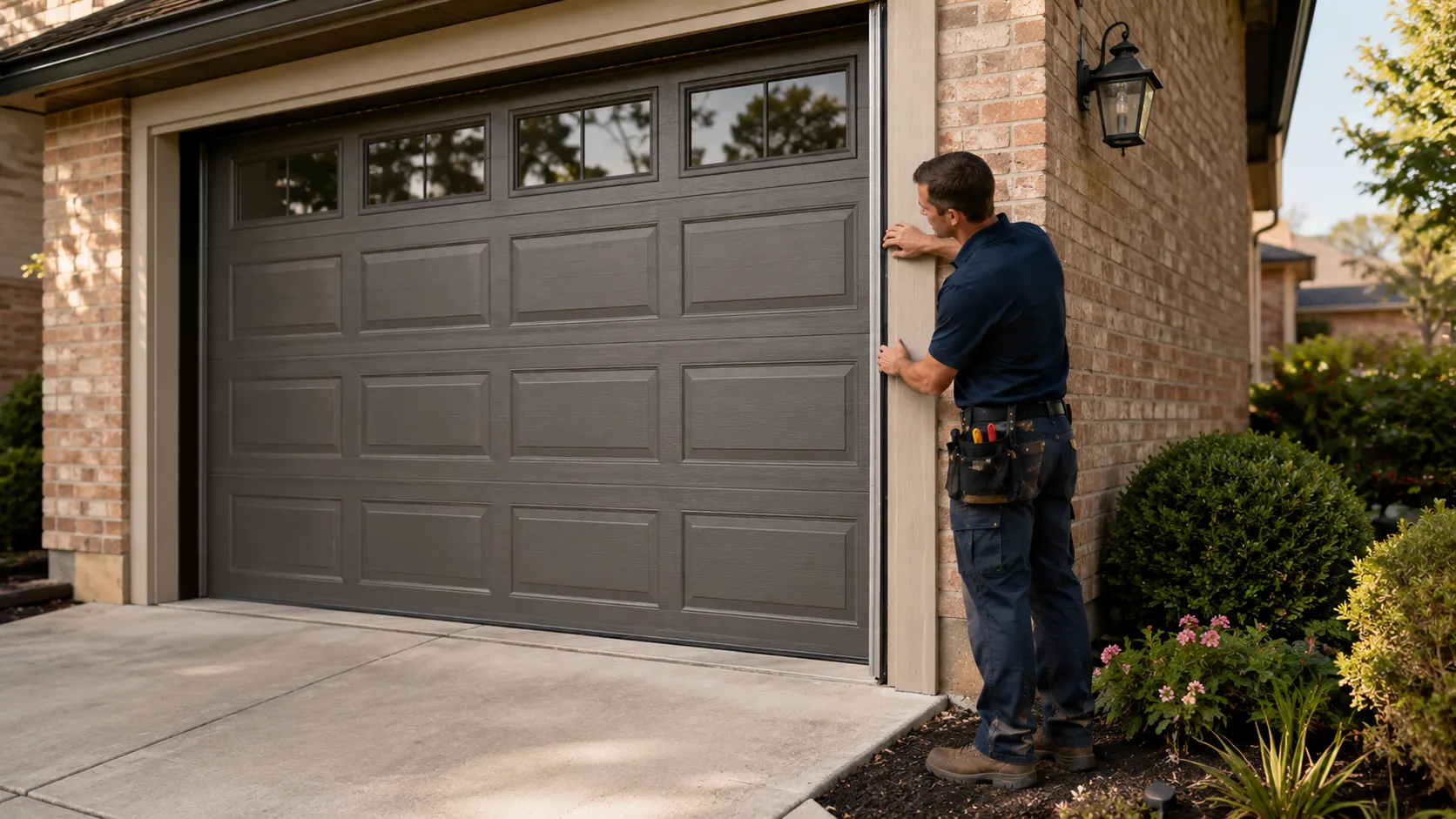
Before you assume the opener is dead, find the manual release cord and pull it. This disconnects the trolley from the drive and lets you lift the door by hand - if the door moves smoothly by hand but not with the opener, the problem is electrical or mechanical in the unit, not the door itself. Check whether your opener has a battery backup at all; a lot of the openers still running in houses from the 1938 to 1998 build range predate battery backup as a standard feature, so during an outage they simply stop, full stop, no fallback.
That's not a defect, it's the age of the unit. If you do have a backup battery, check the indicator light - most show a steady flash when they're on battery power and a different pattern when the battery itself is failing. Don't force the door with the release cord engaged if a spring feels wrong; that's a separate problem and pulling harder makes it worse, not better.
The Situation
Across the roughly 187,000 households and 93,600 owner-occupied houses in this service area, opener age varies a lot by when the neighborhood went up, and with a median build year around 1971, plenty of these units have been swapped out once already and plenty haven't. That mix means a power-cut call could be a five-minute reset or a full opener replacement, and there's no way to know which without seeing the unit.
One honest limit: we don't carry every legacy circuit board for openers from the older end of that build range, so if yours is original to a house built in the 60s or earlier, a repair might mean a new logic board on backorder rather than a same-day fix - replacement ends up being the faster and often cheaper call in those cases. This holds whether you're near downtown, out toward Shiloh or Riverside, or further out toward Vandalia or Huber Heights - the outage risk and the cold are shared across the area, even where the housing stock skews a little newer or older.
How We Can Help
Garage Door Repair
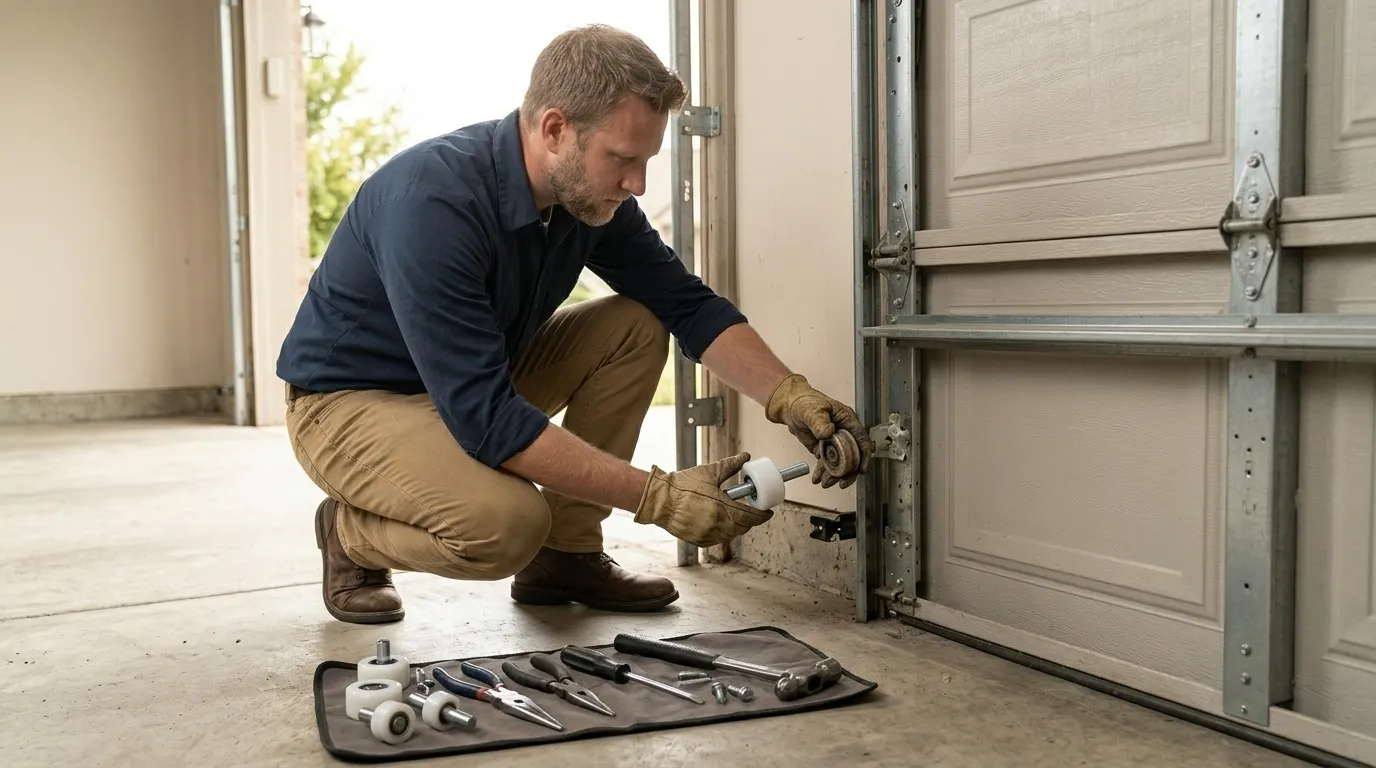
Springs, cables, tracks, rollers, and openers fixed by a tech who explains the problem before touching anything.
Learn more →
Garage Door Installation
New sectional doors sized and installed for the housing stock actually built in this area.
Learn more →
Garage Door Service
Tune-ups, lubrication, and safety checks that catch a small problem before it becomes a service call.
Learn more →Frequently Asked Questions
Why did my garage door opener stop working the moment the power went out, when my neighbor's kept going?
Newer openers with battery backup keep running through an outage; older units, common in houses built well before battery backup became standard, just stop. It comes down to when the opener itself was installed, not the age of your house alone - plenty of homes here have had the opener replaced more recently than the house was built.
Does cold weather make power outages harder on my opener?
Yes. In an unheated Dayton garage during a cold-weather outage, a backup battery drains faster and chain lubricant stiffens, so the motor works harder right when it has the least reserve power. That combination is what tends to finish off an opener that was already marginal before the outage hit.
Should I use the manual release every time the power goes out?
Only if you need to get the car out. Pulling the release disconnects the opener from the door, and you'll need to reset it (and re-secure the door manually) once power's back. For a short outage with the door already down, it's usually simpler to just wait.
Is it worth adding battery backup to an older opener instead of replacing the whole unit?
Depends on the opener. Some older motor units can't accept a backup battery at all, and if yours predates that feature, retrofitting isn't usually an option - replacement is the realistic path. We can tell you which category your unit falls into if you're not sure.
Have a Door That Needs a Second Opinion?
Call and describe what it is doing - we will tell you what it likely is.