
Dayton Garage Door Guide
Why Dayton's Older Housing Stock Changes How You Handle a Garage Door
Dayton's garage doors mostly date to 1938-1998, before modern insulation codes - here's what that means for upkeep when the climate here runs cold and severe.
- Licensed & Insured
- Same-Area Service Calls
- Upfront Pricing
Leaving It Alone
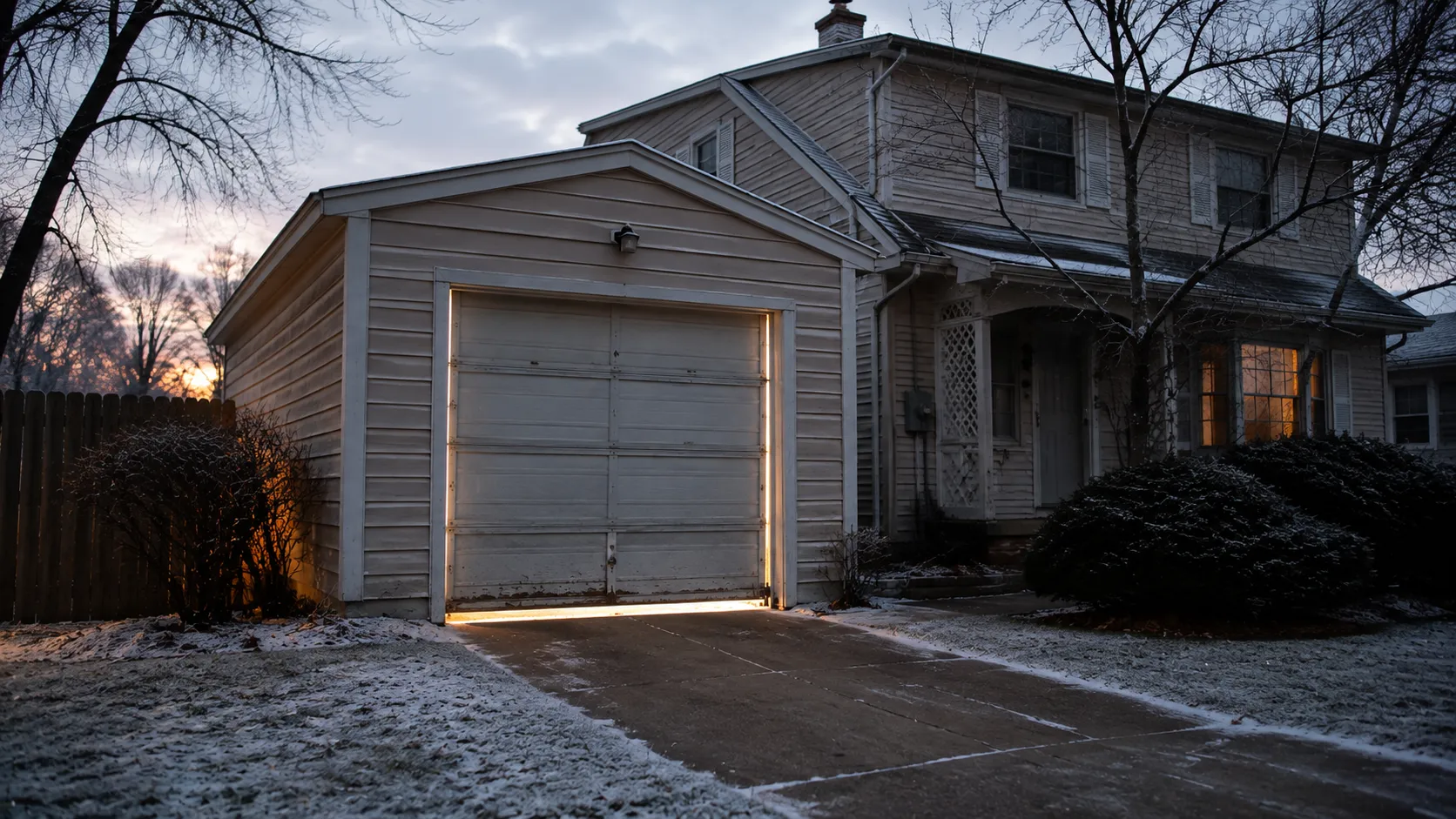
Most of what gets called garage door maintenance is really just people fiddling with a system that's working fine. If your door built somewhere between 1938 and 1998 opens smooth, closes flush, and doesn't grind on the way up, don't chase noise you can't reproduce or grease you read about online. A lot of these houses across the 37 named areas in the Dayton service footprint still run original torsion hardware from a build era centered around 1971, and that hardware was built to last with almost no attention.
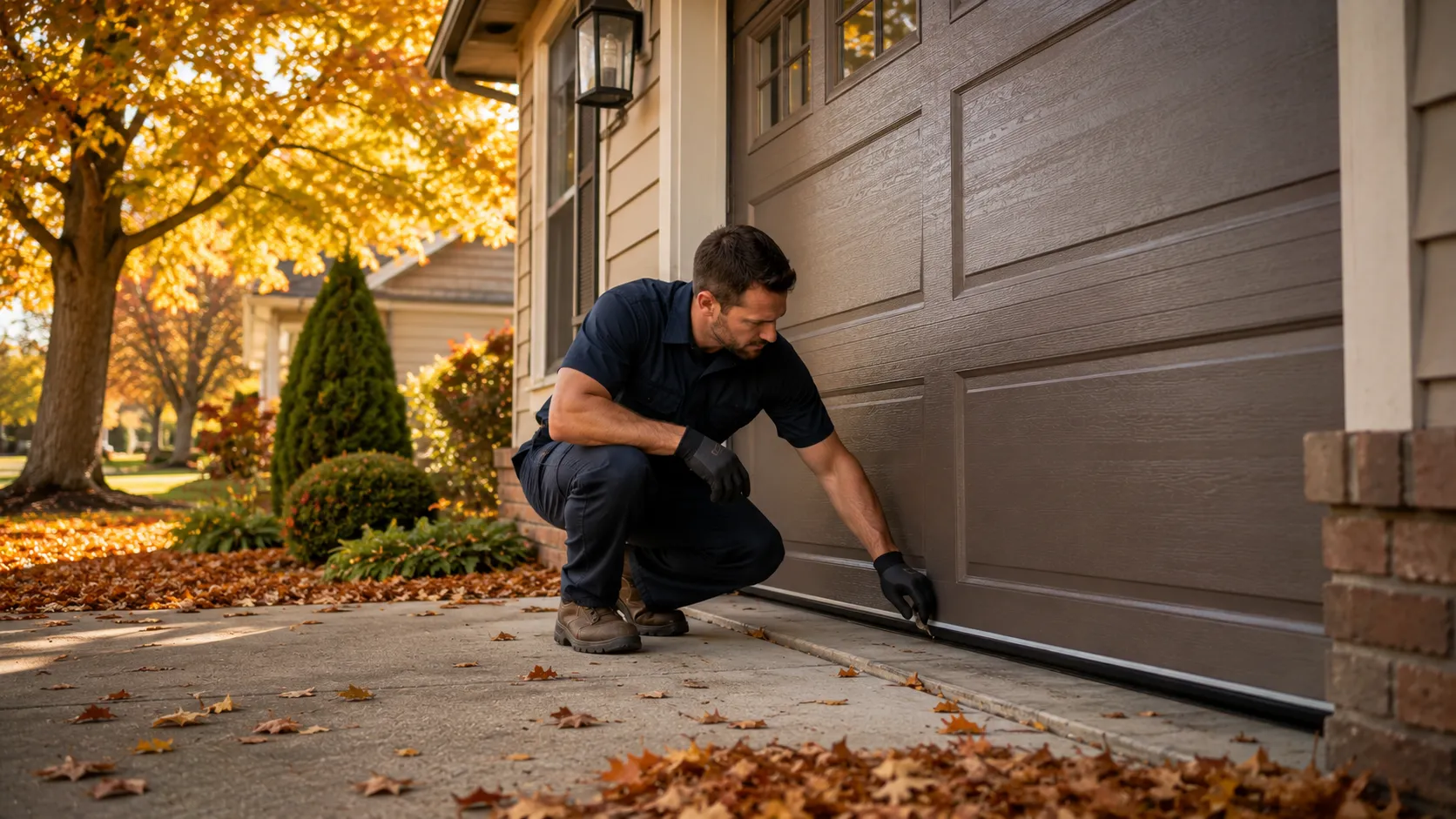
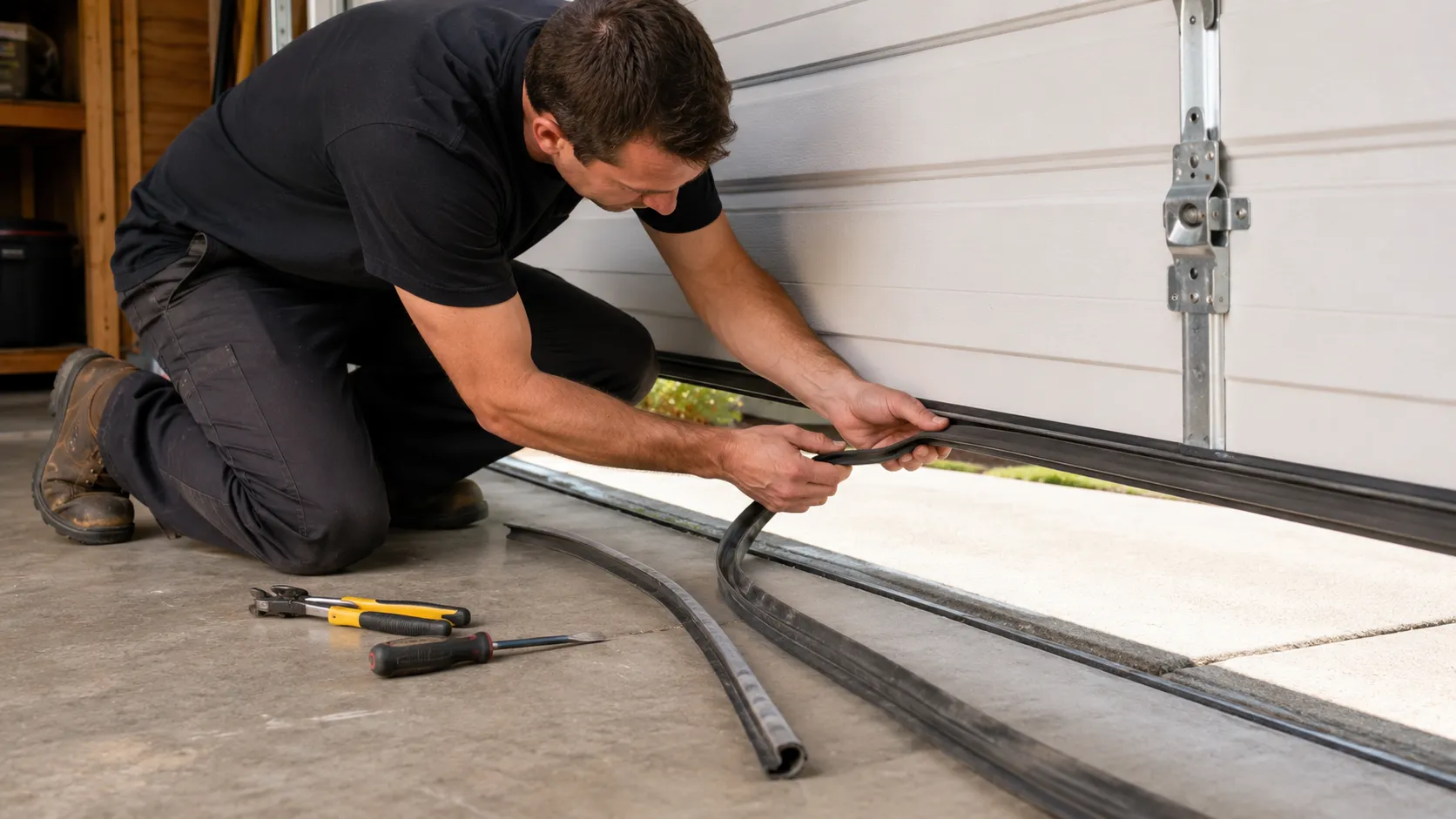
Opening the torsion assembly to "check" it is how a fine spring becomes a broken one on your schedule instead of its own. We'll say the honest thing here: if a door is functioning, the best move most weeks is to walk past it. Where we'd actually want eyes on a door is the weatherstrip and bottom seal, because that's the part that fails quietly and just makes the garage colder without ever making a sound.
Everything else on an older door - the drums, the shaft, the factory-torque springs - is doing exactly what it was built to do, and it doesn't need you.
What Local Conditions Do
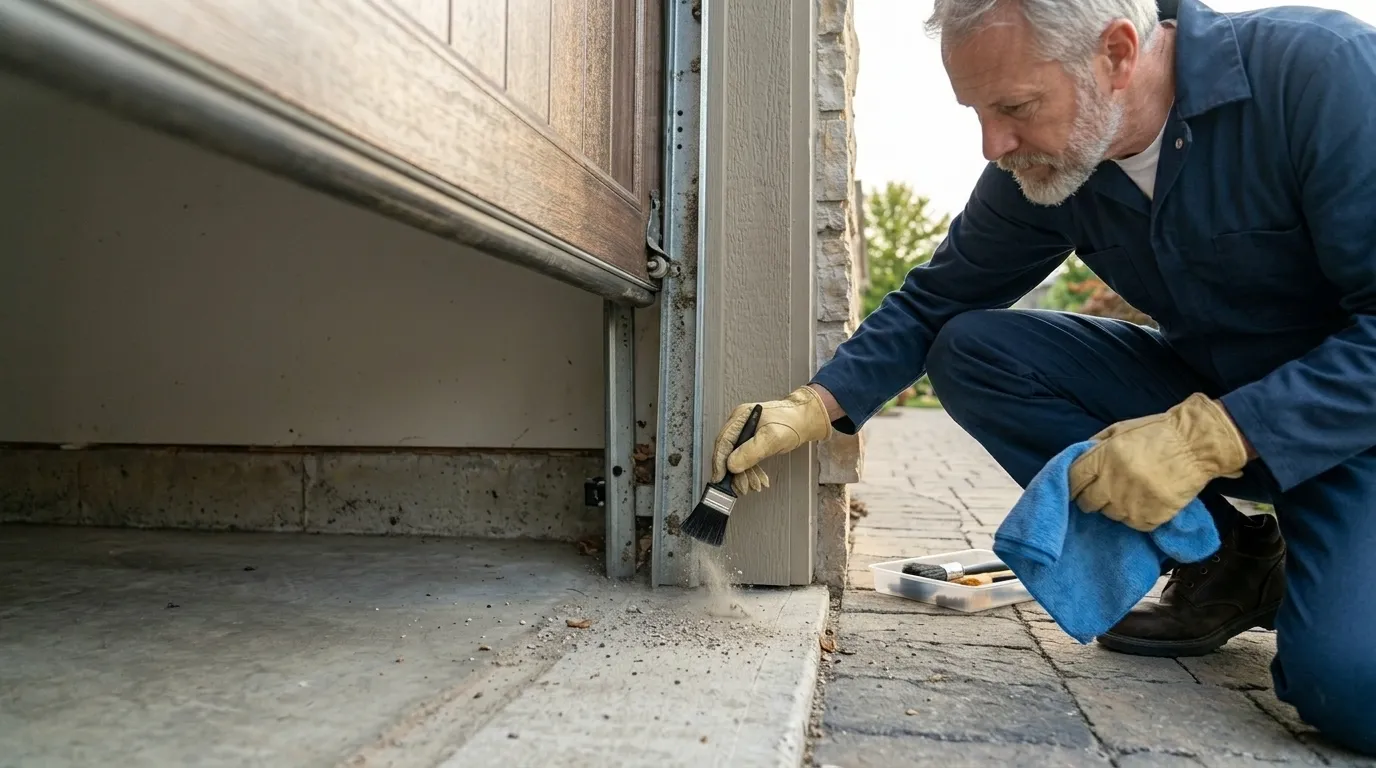
Dayton sits in a cold, severe climate band, and that matters more for a garage door than for almost anything else on a house. Steel panels contract in the cold, lubricant thickens, and any door installed before insulation rules tightened simply wasn't built with a thermal break in the panel or a sealed bottom track. Houses in this housing stock, mostly put up in the 1960s and '70s across the wider Dayton area, were built to the codes of that decade - which didn't ask much of a garage door because a garage wasn't treated as conditioned space.
That's not a flaw in the house. It's just what the rules required at the time. What it means today is that a door built to 1971 standards will flex more in a hard freeze, seal worse against the slab, and let more cold air sit against whatever's stored or parked behind it than a door built to current code would.
None of that is an emergency. It's a performance gap, and it's worth knowing about before you assume a drafty garage means something's broken.
What to Look At First
Start with the bottom seal, not the opener. On a door from the 1938-1998 build window, the rubber astragal along the floor is almost always the first thing to give out, and it's the cheapest fix on the whole door - but it's also the one most owners never look at because nothing about it makes noise. Next, check the panel seams if the door is steel and pre-dates foam-core construction; a door built before insulation rules typically has a single skin of metal with no bonded backing, so any dent reads straight through as a cold spot in the garage.
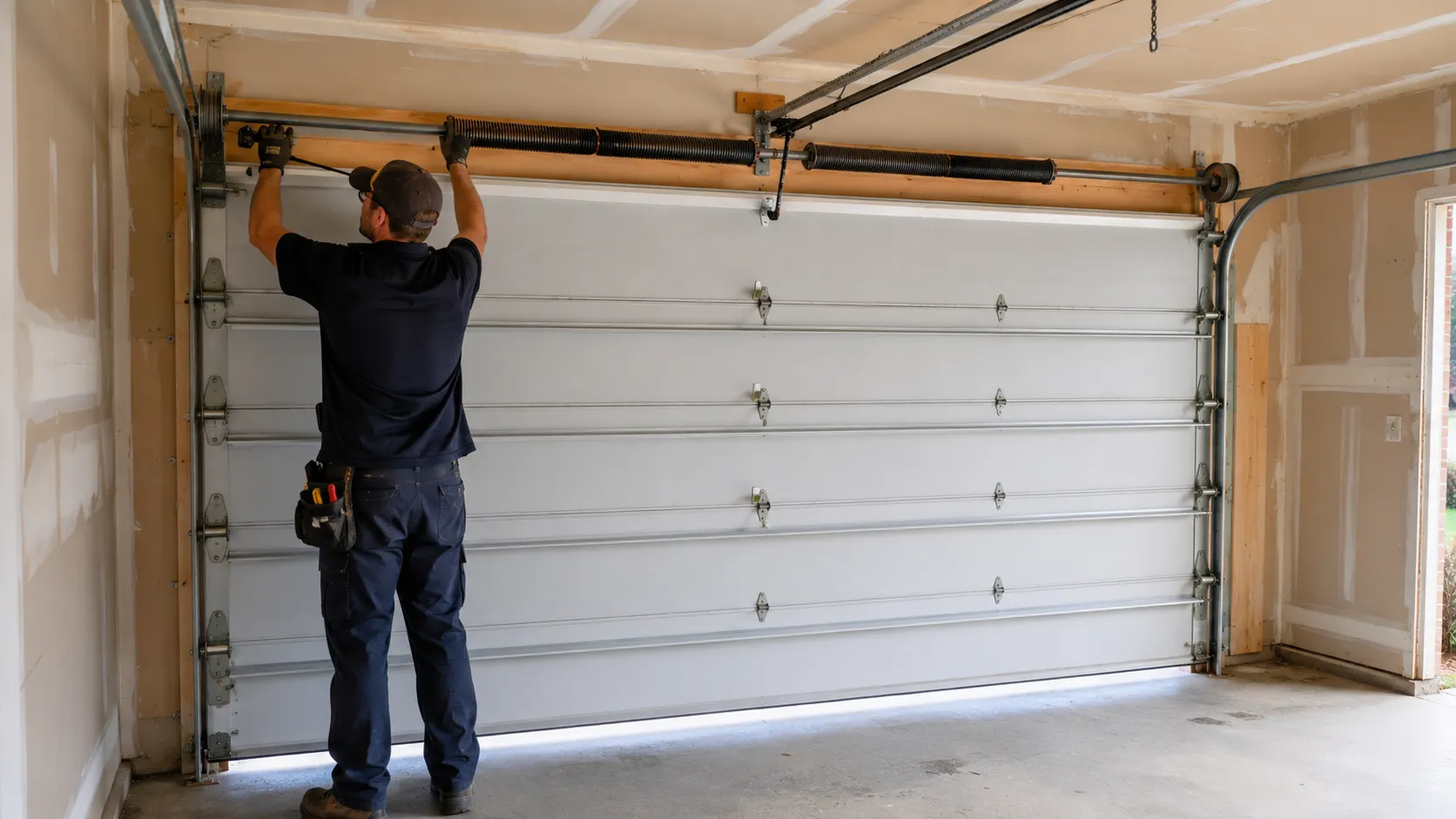
After that, look at the torsion spring's coil gap - if the coils sit tight together with no daylight between them, the spring has lost tension, which on an older door usually means it's simply reached the end of a long service life rather than being damaged. We won't tell you every one of these needs replacing. Some of them just need to be understood as original-era hardware doing 1970s work in a 2020s winter, and that's a fine place to leave things until one of them actually fails.
The Situation
Across the service area - roughly 187,209 households, with about 93,639 of those owner-occupied - a large share of garage doors are original or close to it, installed when the median home here went up around 1971. That's the baseline we work from: not a house of a particular age, but a whole region where pre-insulation-code doors are the rule rather than the exception, from the closer-in areas like Shiloh and Riverside out through Oakwood, Kettering, and Huber Heights. With a median household income around $70,000 in the area, a lot of the calculus we see isn't full replacement, it's whether a repair on an aging door still makes sense versus swapping in a door built to a modern thermal spec.
There's no single right answer to that, and we won't pretend there is. A door with sound steel and a bad seal is worth fixing. A door with a warped panel and a spring at the end of its coil life is a different conversation.
What we can tell you is that the age pattern here is consistent enough - decades of houses built before insulation rules existed - that it's worth asking the age question before you ask the repair question.
How We Can Help
Garage Door Repair
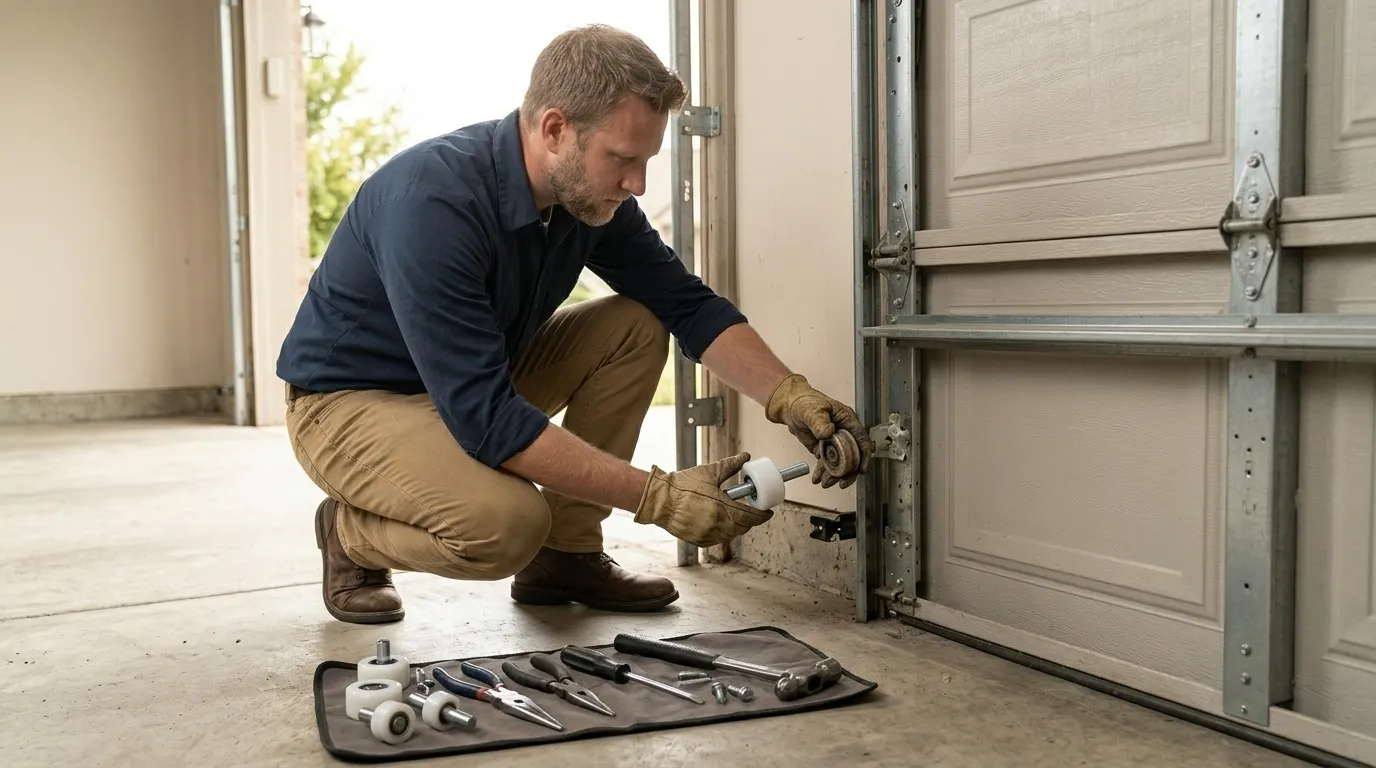
Springs, cables, tracks, rollers, and openers fixed by a tech who explains the problem before touching anything.
Learn more →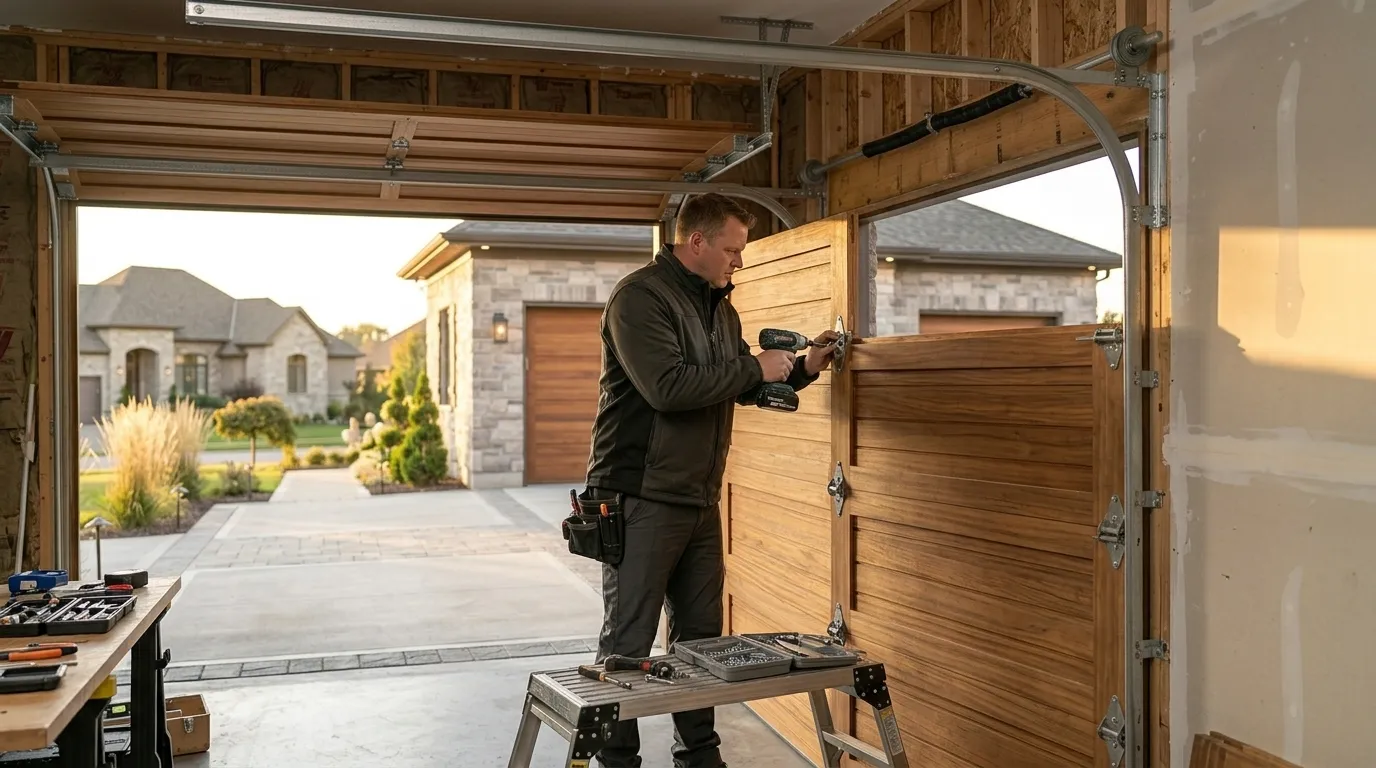
Garage Door Installation
New sectional doors sized and installed for the housing stock actually built in this area.
Learn more →
Garage Door Service
Tune-ups, lubrication, and safety checks that catch a small problem before it becomes a service call.
Learn more →Frequently Asked Questions
Is it normal for my garage to feel cold even with the door shut?
Yes, especially if your house falls in the common 1938-1998 build range for this area. Doors from that era weren't built with insulated cores or sealed bottom tracks, since garages weren't treated as conditioned space under the codes of the time. A cold garage with the door fully closed usually points to the seal and panel construction, not a mechanical problem.
Should I replace an old door just because it's original?
No. Age alone isn't a reason to replace a door that opens, closes, and seals reasonably well. We'd look at the spring's coil gap, the panel condition, and the bottom seal before recommending replacement over repair. A lot of original hardware from the 1960s and '70s build era is still doing its job fine.
Does Dayton's winter actually affect the door itself, not just the opener?
It does. Cold, severe winters stiffen lubricant and contract steel panels, which is harder on a door built before insulated cores were standard. The opener usually isn't the weak point - it's the seal and single-skin panel construction common on older doors in this area.
Have a Door That Needs a Second Opinion?
Call and describe what it is doing - we will tell you what it likely is.