
Nearby Community
Garage Door Service for Waynesville, Built Later Than Most of Our Coverage
Serving Waynesville from Dayton, 18 miles out. We work on the 1970s-90s steel doors that fill this town's newer streets, not the older stock common closer to the city.
- Licensed & Insured
- Same-Area Service Calls
- Upfront Pricing
What Was Built Here
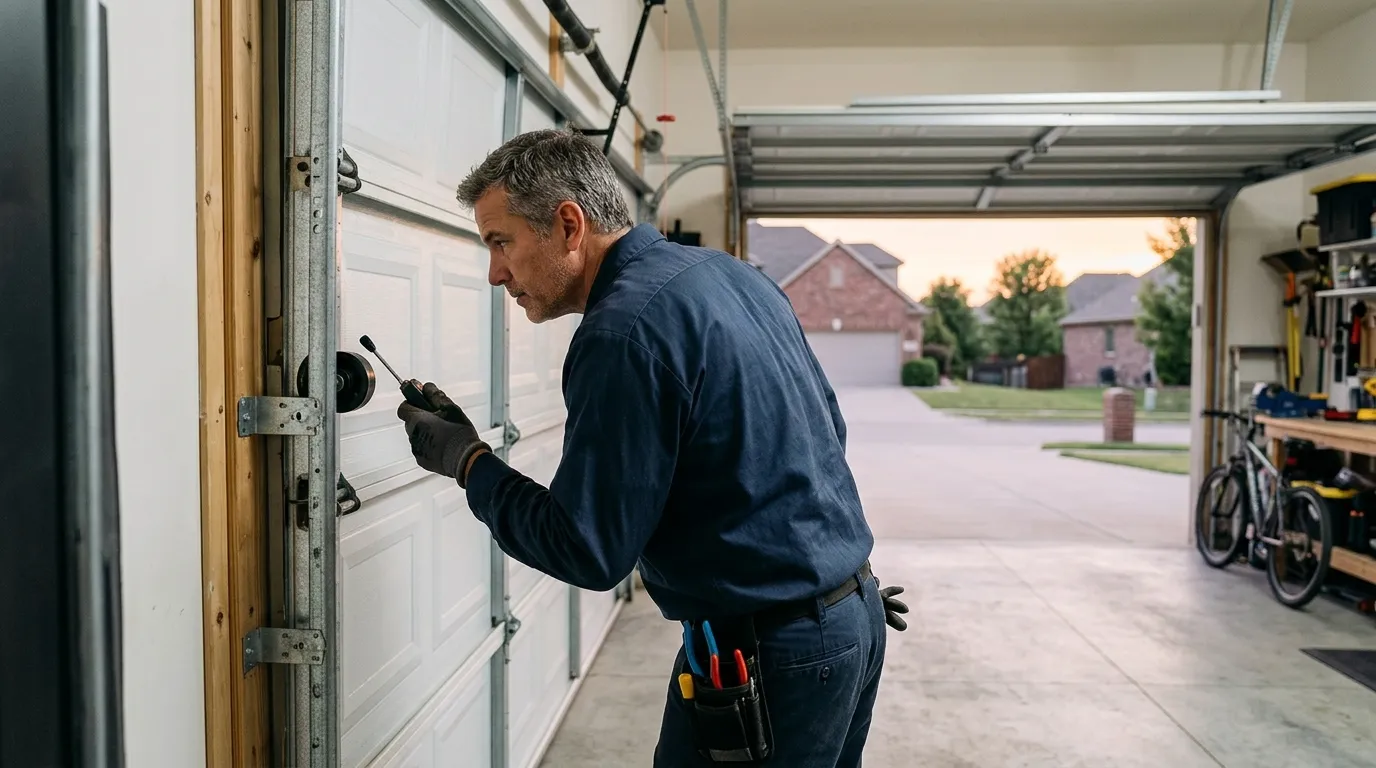
Waynesville's housing runs newer than the rest of our coverage area. The median year built here is 1978, a good seven years past the 1971 median across the wider Dayton service territory, where stock spans 1938 to 1998. That gap matters more than it sounds.
A town built mostly in the 1970s skipped the wave of wood-panel, chain-drive doors that still show up closer to Dayton and picked up steel sectional doors with torsion springs as the standard from the start. With only about 1,075 households in Waynesville itself, compared to roughly 187,209 across the full service area, this is a small, later-built pocket sitting inside a much older regional footprint. Median household income here runs $72,569, a bit above the $70,000 area median, which we mention only because it tracks with what we see on service calls: more owners replacing doors outright rather than nursing old ones along.
We don't guess at this - it's what the build dates and the calls tell us.
What We Will Not Take On
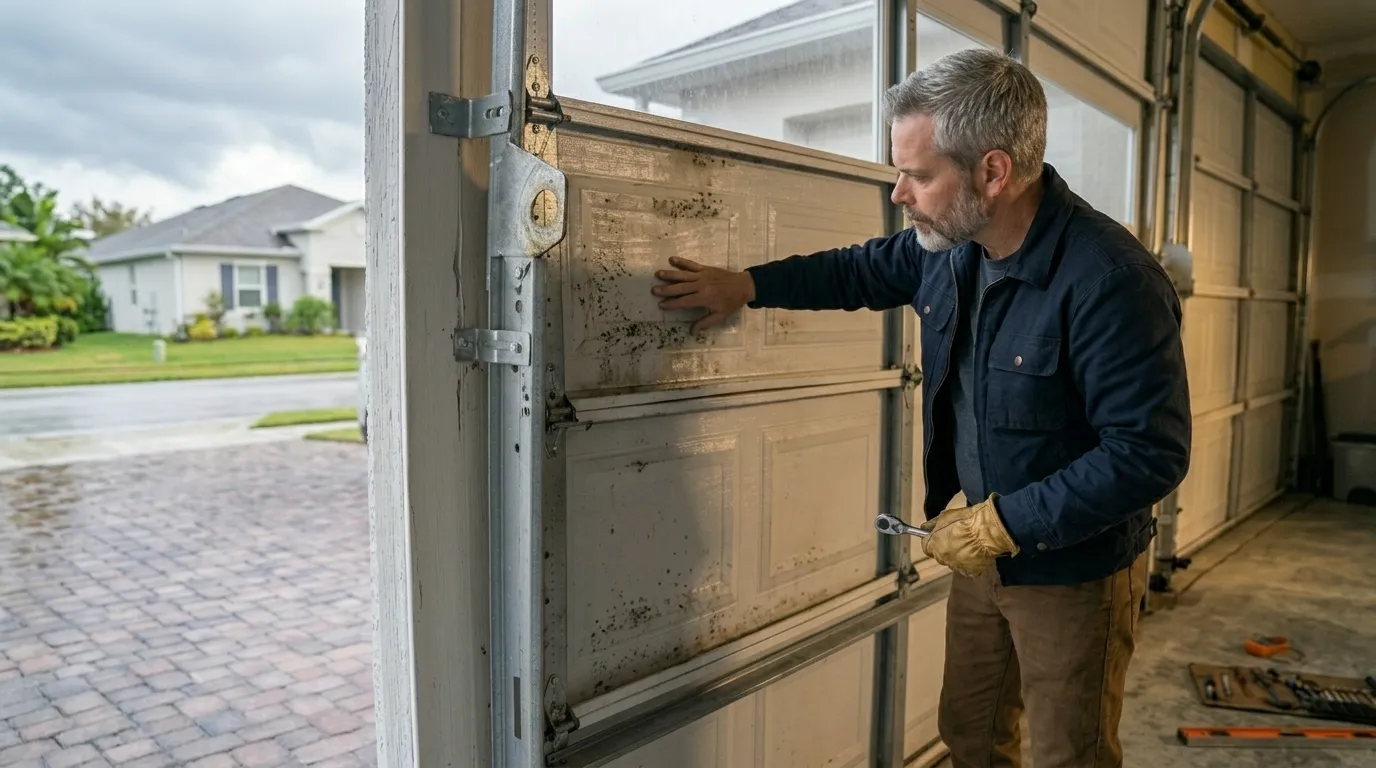
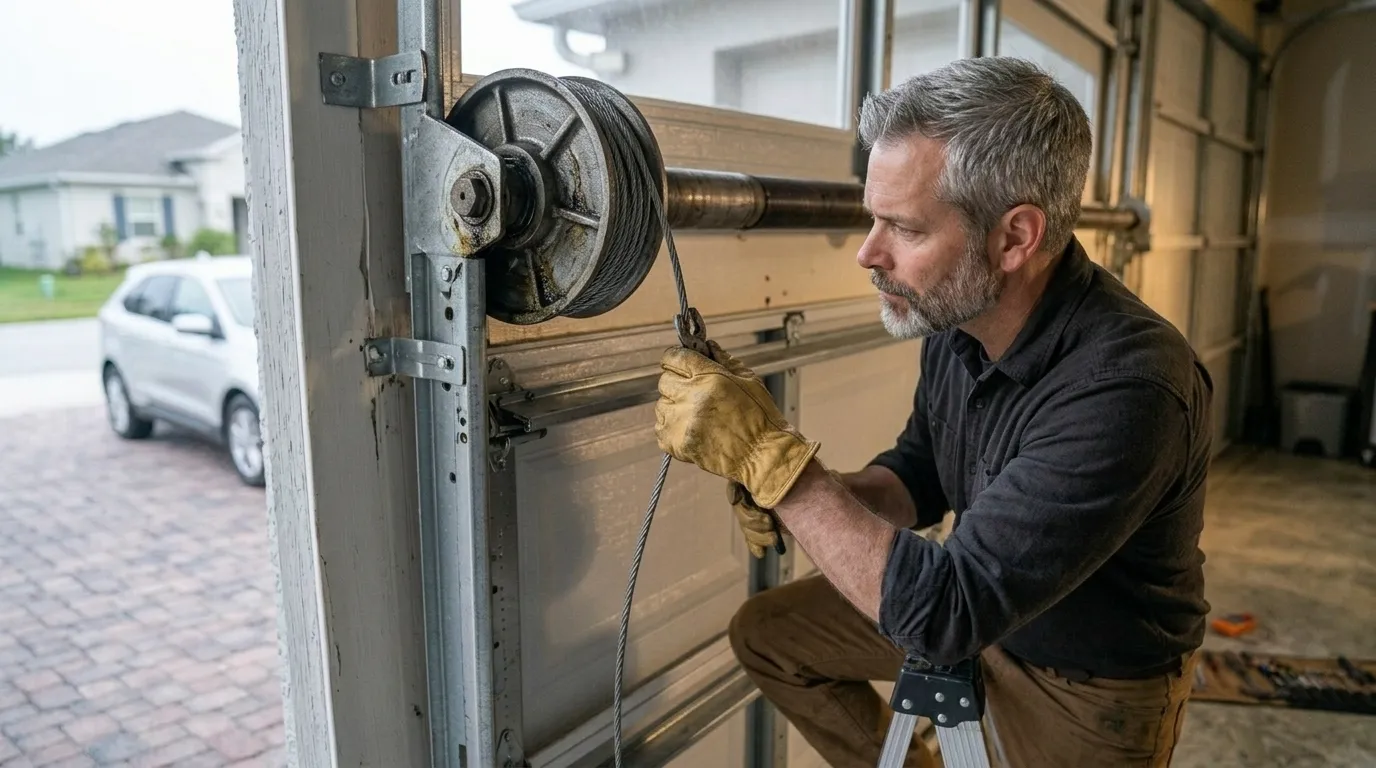
We're honest about the limits of a job that starts 18 miles away in Dayton. We don't keep a truck stocked with parts for doors built before the torsion-spring era, so if a Waynesville job turns up an old extension-spring setup with side pulleys, that part often has to be ordered rather than pulled off the shelf same visit. We also won't quote structural work - if a header is rotted or a jamb needs framing, that's a carpenter's job before it's ours.
And we don't do window or siding installs just because they sit next to a garage door opening. Some repairs on a door that age genuinely aren't worth doing; if the drum, springs, and opener are all near the end within the same year, we'll say so instead of patching one piece at a time.
What That Means for Doors
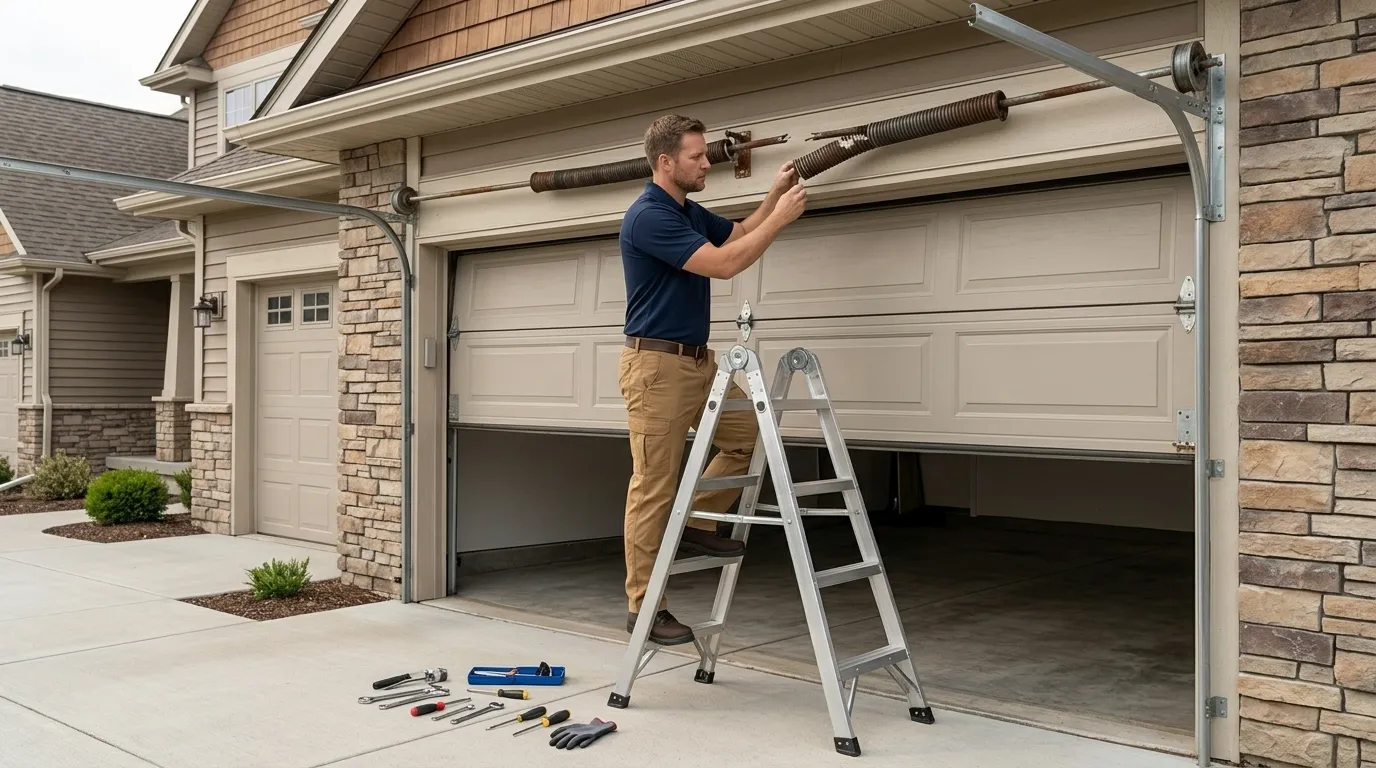
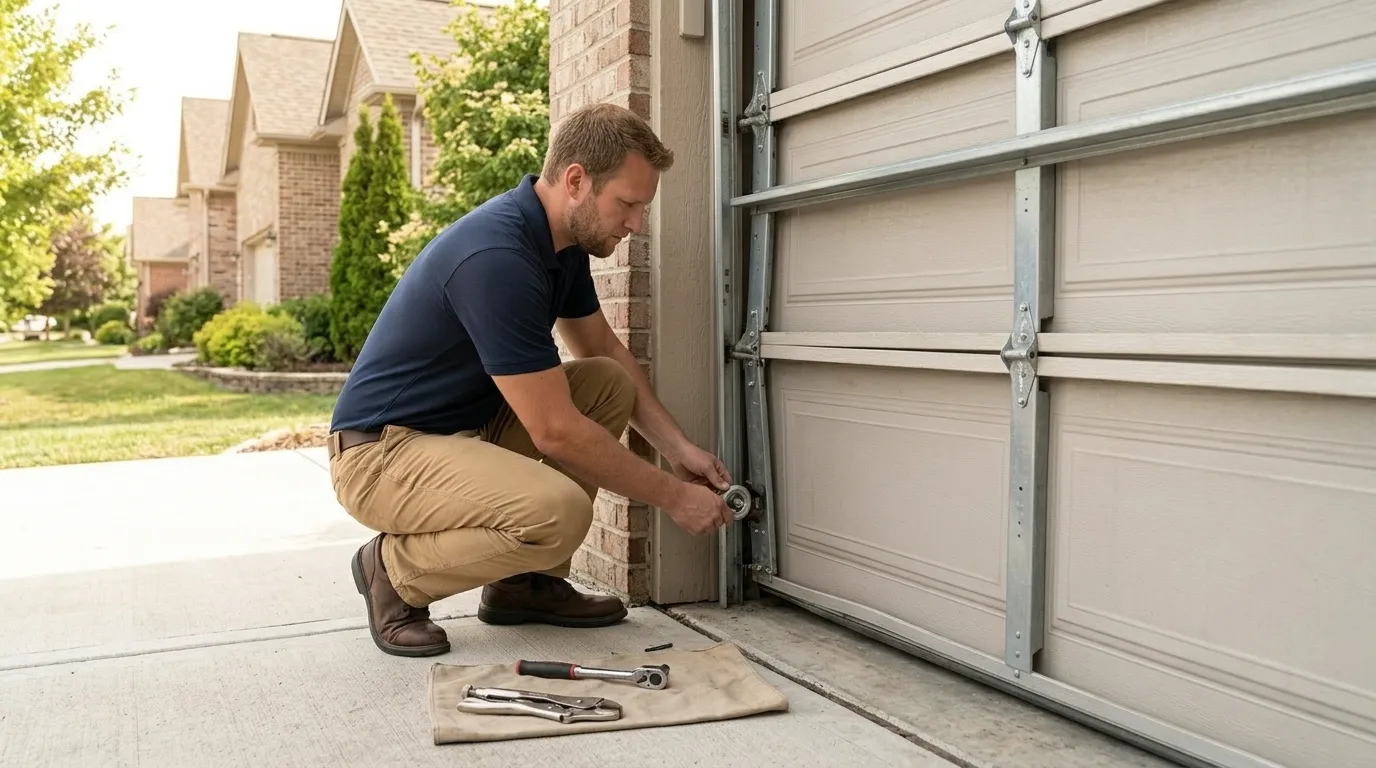
A door bought new around 1978 in this climate band - which runs cold and severe - was likely steel, likely insulated at least minimally, and almost certainly on torsion hardware rather than the older extension-spring style. Forty-plus years on, the common failure we expect isn't a rotted wood panel, it's a torsion spring that's simply out of cycles, a worn drum cable, or an opener from a later retrofit that doesn't match the door's original weight rating.
Cold-climate garages in this band also see more brittle rollers and stiffer seals in winter, since the doors were built with less insulation than what's sold today. None of this is unique to any one house, but it is unique to a town whose stock clusters in this build window rather than the older range you'd find in parts of Dayton proper.
Old Streets and New Ones
Waynesville sits about 18 miles from our Dayton base, further out than closer stops like Spring Valley or Xenia, both around 15-16 miles. That distance doesn't change the work, but it does mean a Waynesville call isn't a quick add-on to a route already running through Kettering or Miamisburg - it's routed on its own.
Streets built in that 1970s wave tend to have wider driveway aprons and attached garages sized for the two-car standard of that era, different from the narrower detached garages you'd find on 1940s streets closer to the city. If your house sits on one of the newer infill streets built after that main wave, the door and opener may be even more recent, which usually means a simpler fix - a sensor or a logic board issue rather than a spring at the end of its life.
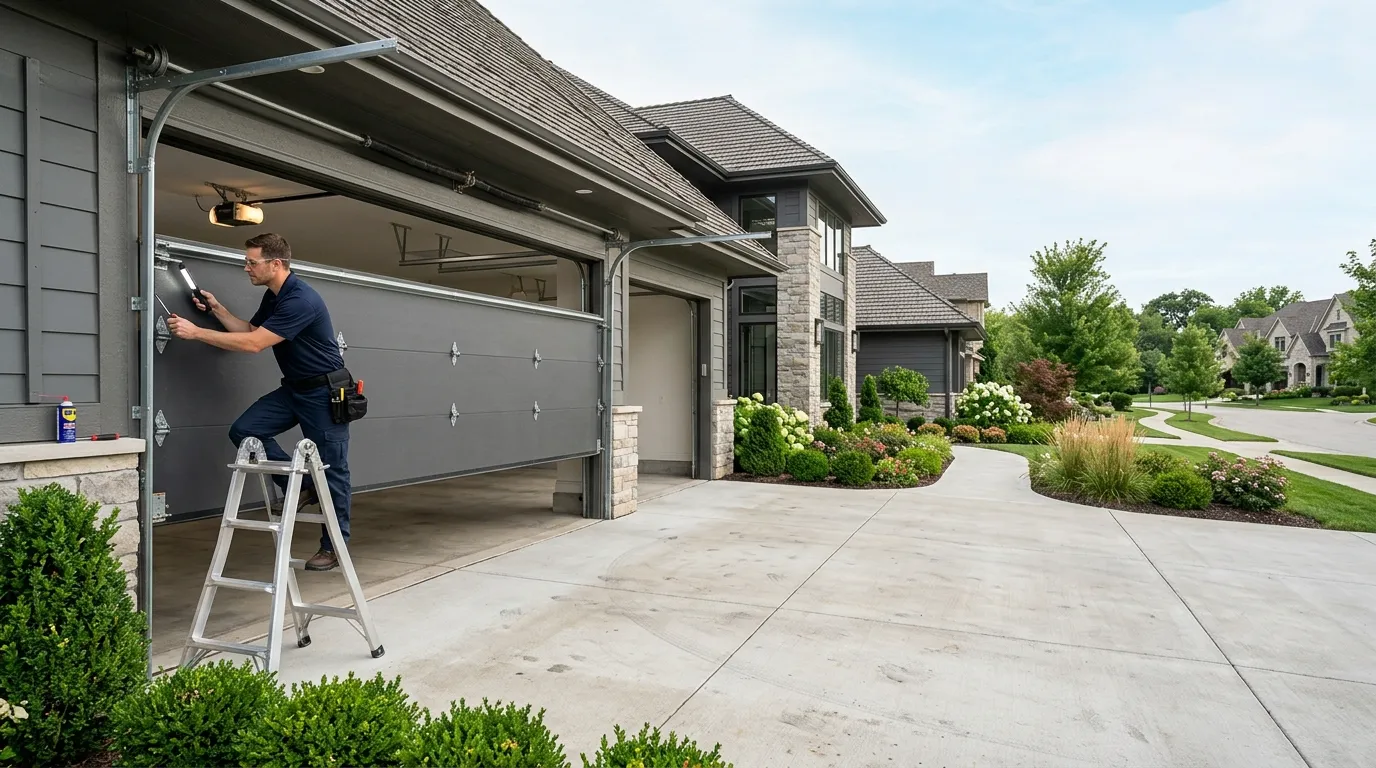
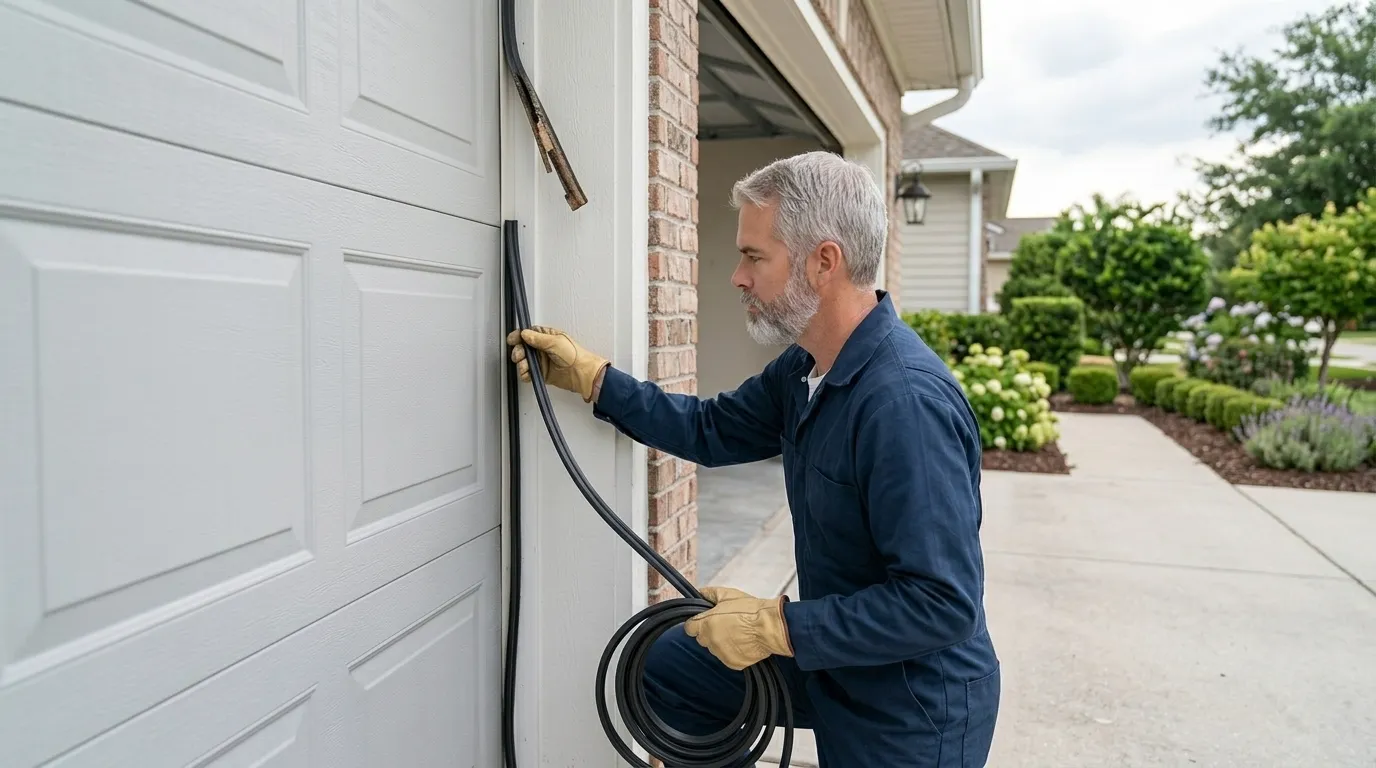
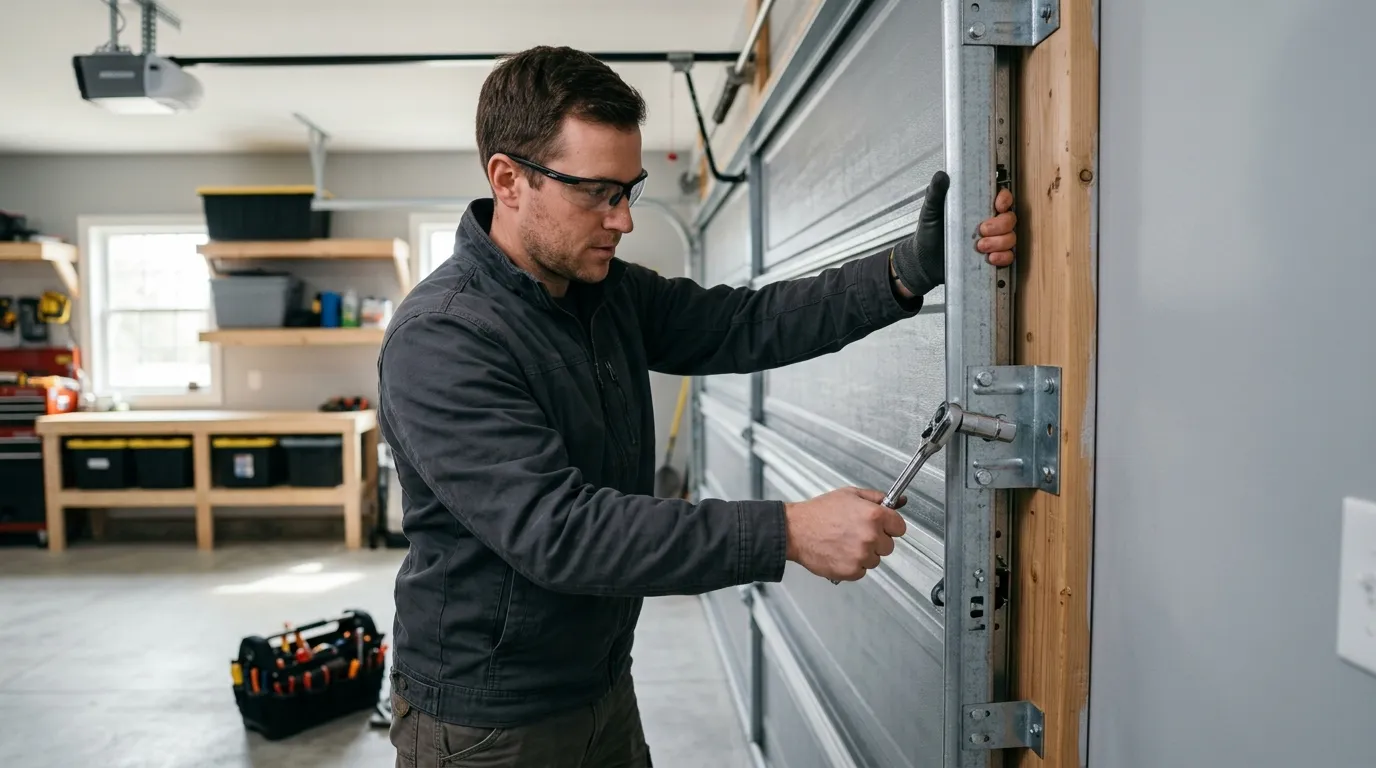
Recent Work Near Waynesville
How We Can Help
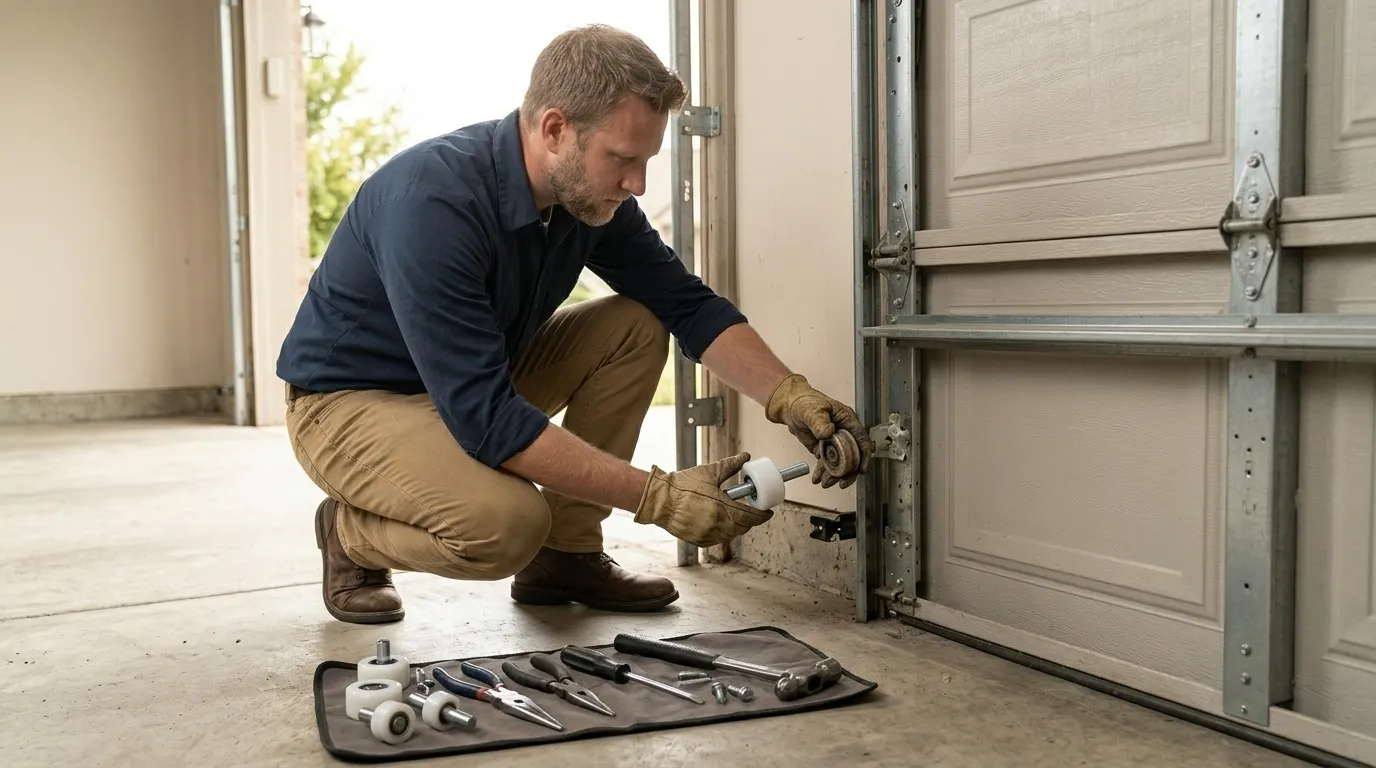
Garage Door Repair
Springs, cables, tracks, rollers, and openers fixed by a tech who explains the problem before touching anything.
Learn more →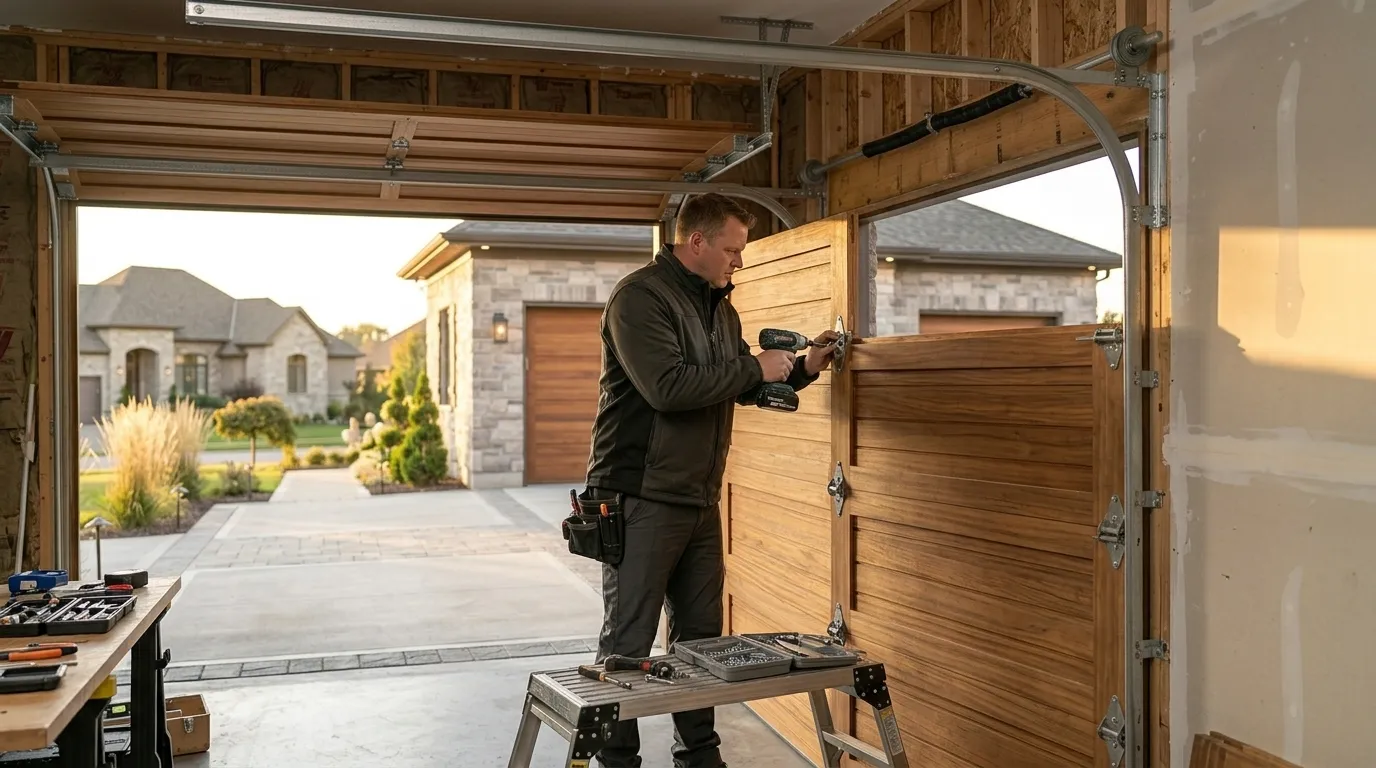
Garage Door Installation
New sectional doors sized and installed for the housing stock actually built in this area.
Learn more →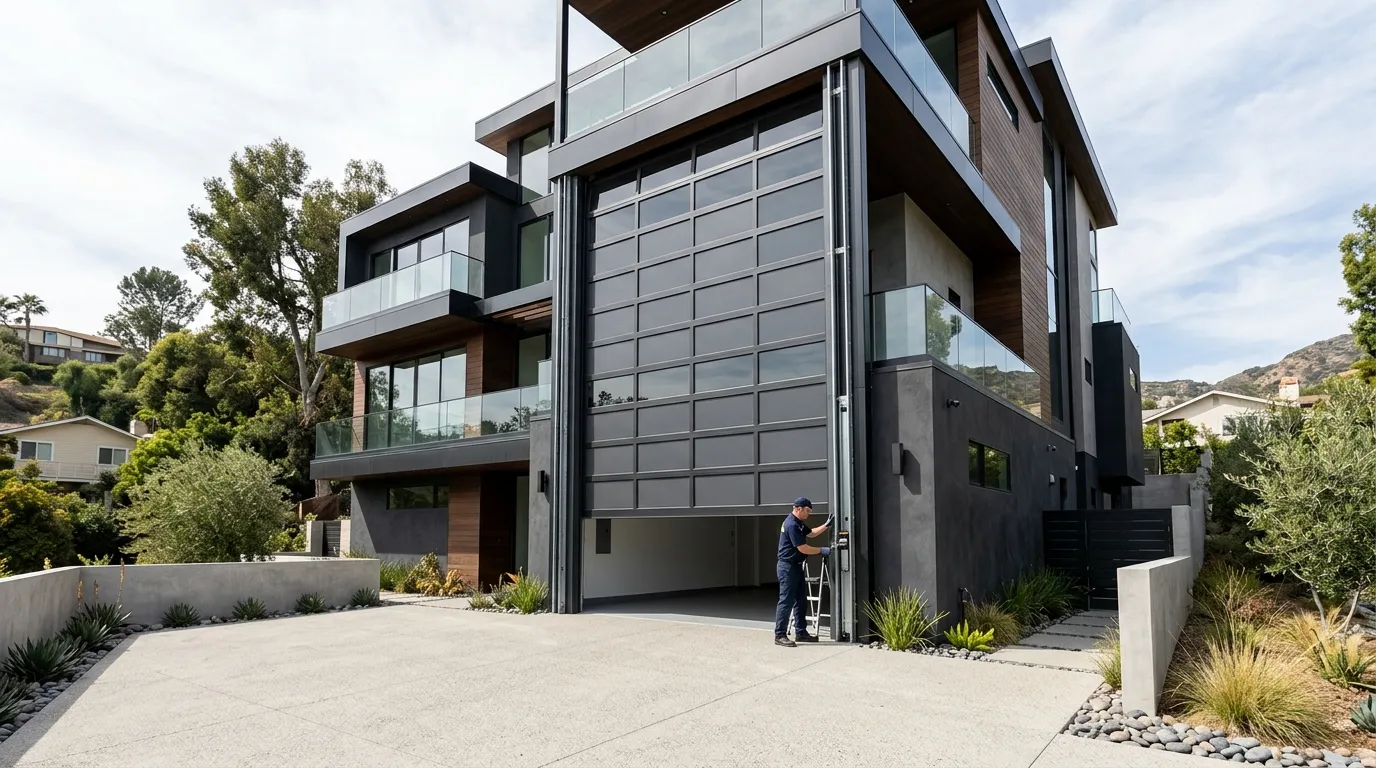
Garage Door Service
Tune-ups, lubrication, and safety checks that catch a small problem before it becomes a service call.
Learn more →What Happens When You Call
Call or Request a Quote
Tell us what the door is doing and roughly how old the house is - that alone points us toward the likely part before a truck leaves.
On-Site Diagnosis
A tech checks the spring, cables, tracks, and opener in person and tells you plainly what is actually wrong.
Straight Price, No Surprises
You get a number before any work starts. It covers parts and labor, nothing added after the fact.
Fixed the Same Visit
Most repairs are done in one trip. If a part needs sourcing, we tell you that upfront instead of guessing.
Frequently Asked Questions
Do you have a shop or crew based in Waynesville?
No. We're based in Dayton and drive out to Waynesville, about 18 miles each way. We don't claim a local depot or a standing presence here - just that we cover the town on scheduled routes from Dayton.
Why does my 1970s-built door act differently than my neighbor's newer one?
Waynesville's median build year is 1978, but not every house on your street was built the same year. A door from that original wave is more likely running original torsion springs and an older opener, while houses built later may have replacement doors with modern openers and sensors already installed.
Is it worth repairing an old torsion spring instead of replacing the whole door?
Often yes, especially on a well-built 1970s steel door - the spring is a wear part regardless of the door's age. But if the drum, cables, and opener are all showing their age at once, replacing everything together usually costs less than staging separate repairs over a year.
Can you get parts for an older extension-spring door same day?
Not always. We don't stock parts for the older extension-spring setups on the truck the way we do for torsion hardware, since that style is less common in a town built mostly after that era. Those jobs sometimes need a return trip once the part arrives.
Get Your Door Fixed in Waynesville
Call now for same-area service.