
Dayton Garage Door Guide
Replacing a Garage Door on an Older Dayton House
Dayton homes mostly date to the 1960s-70s under a median build year of 1971. Here's what that older stock and cold-climate exposure mean before you replace a door.
- Licensed & Insured
- Same-Area Service Calls
- Upfront Pricing
Leaving It Alone
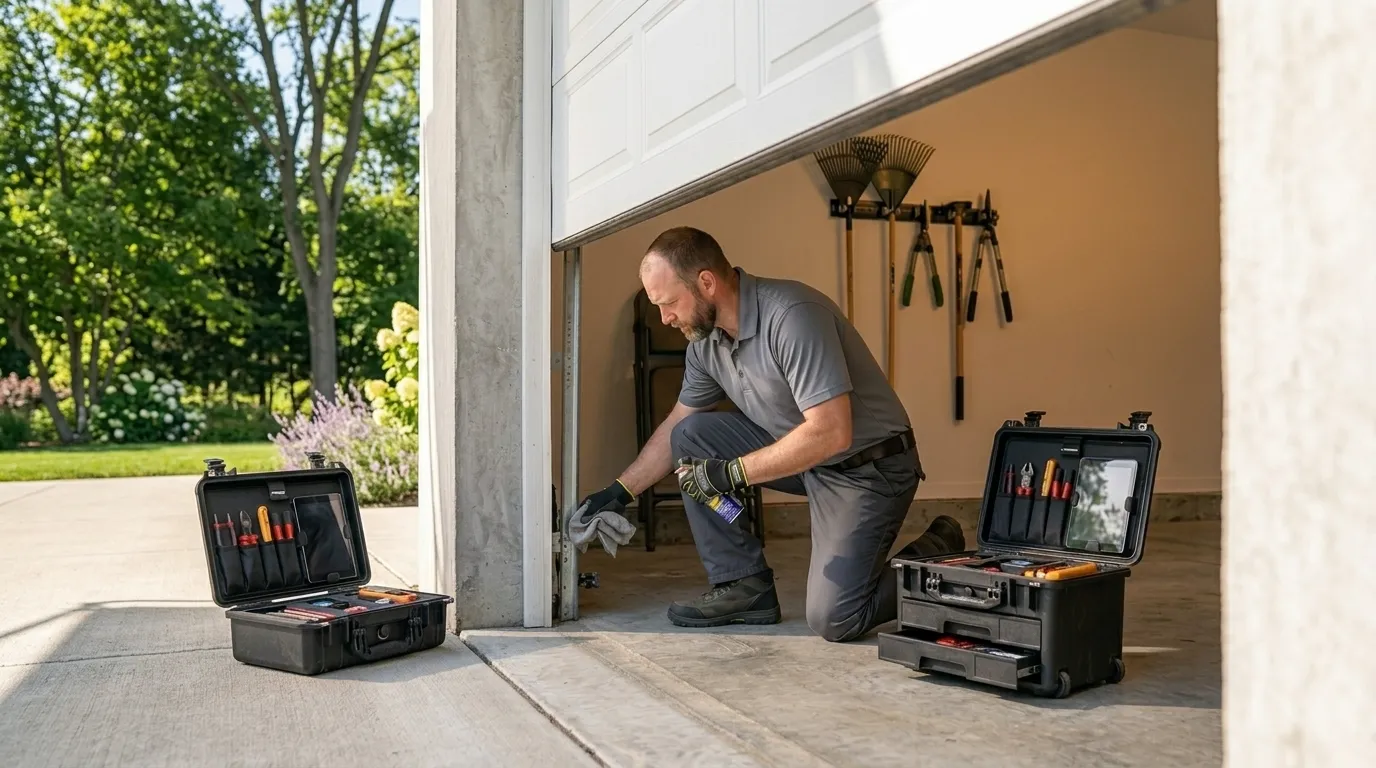
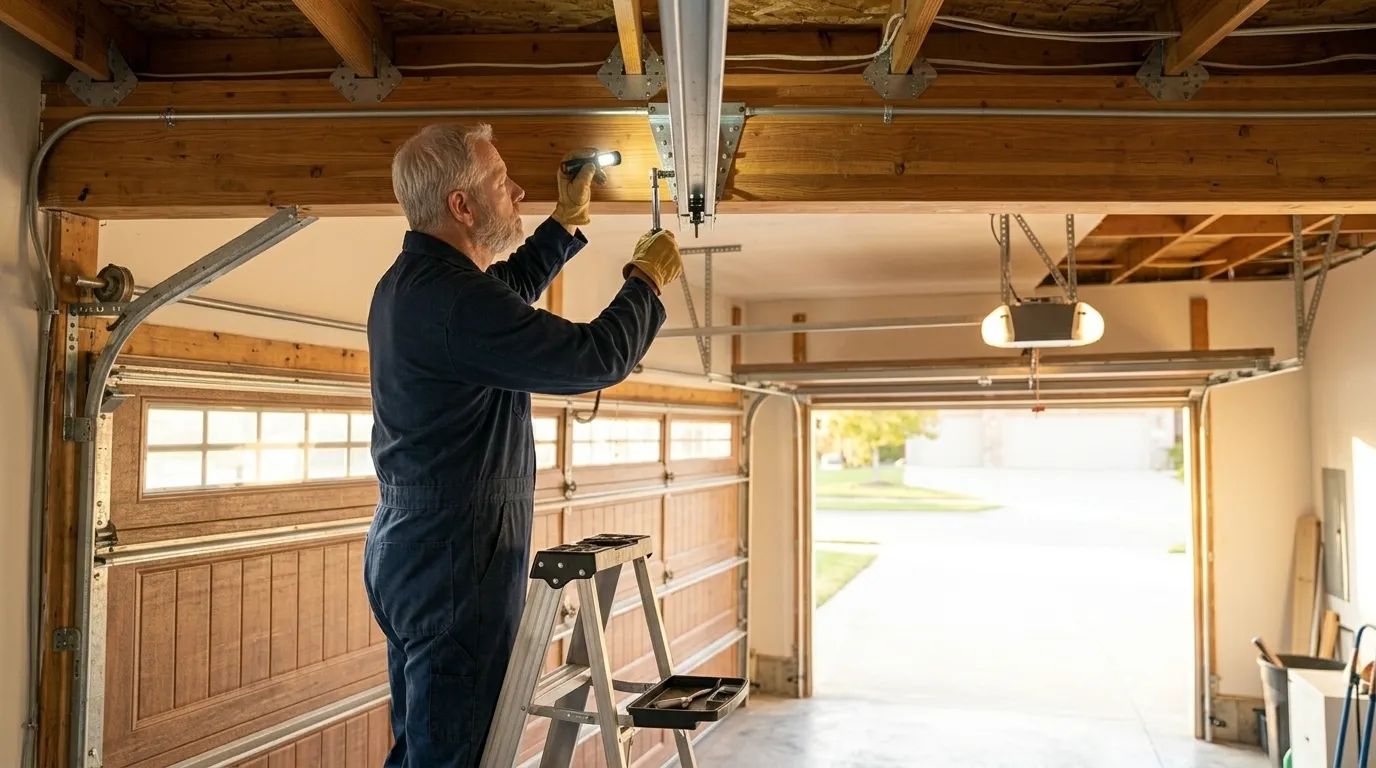
Not every door on a Dayton street needs to go. With housing here running from 1938 to 1998 and a median build year of 1971, a lot of doors still on their original frames are pushing 50 years old, but old doesn't automatically mean broken. If the panels aren't rusted through, the track is still square, and the springs cycle without binding, you can often get more years out of it with a new opener or a re-balance rather than a full swap.
We'll tell you when a repair is the honest answer, even though a replacement job pays more. The one thing we won't do is push a full unit on a door that just needs a spring and a service call.
What Local Conditions Do
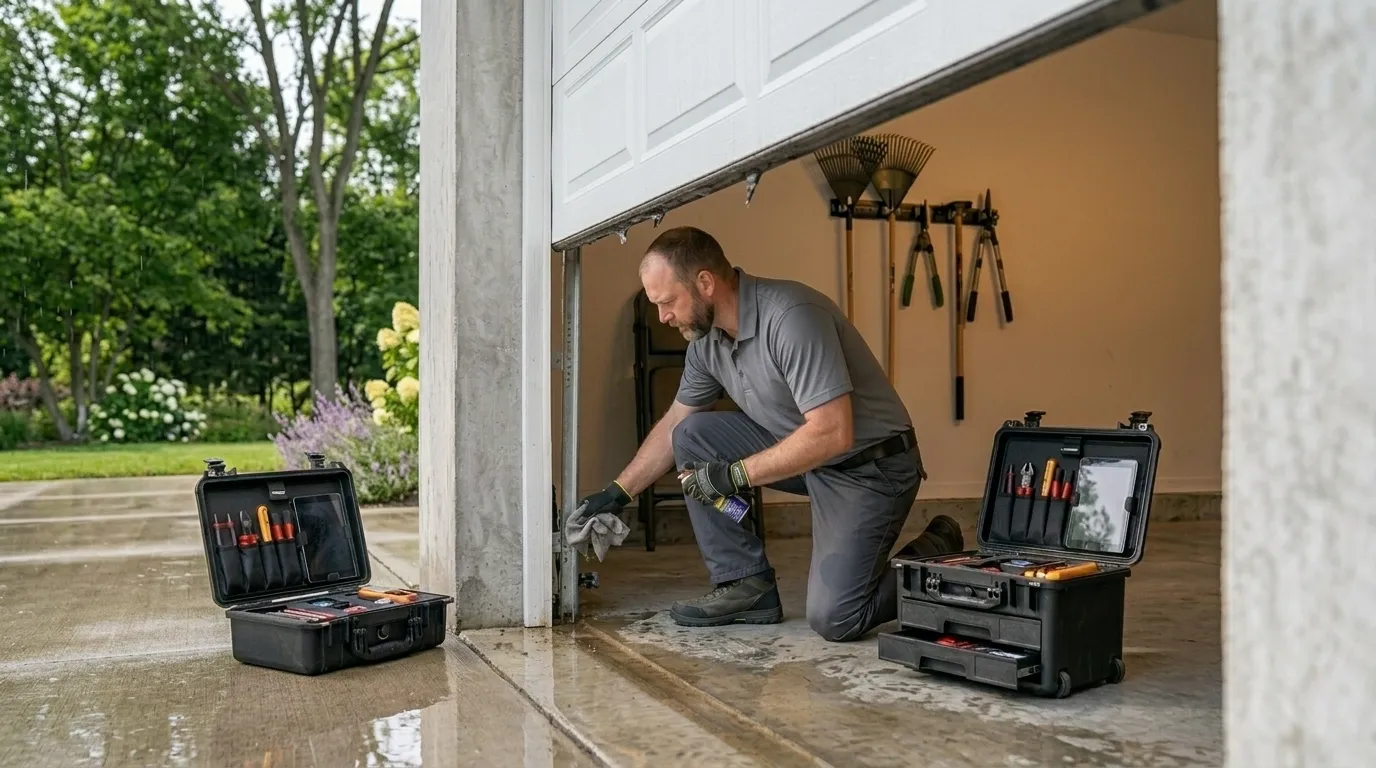
Dayton sits in a cold, severe climate band, and that matters more for a garage door than most homeowners expect. Steel panels contract in hard winter cold, which is exactly when nylon rollers on original 1960s-70s hardware tend to crack or bind.
Houses built in that era, which is most of what's on the ground across the 37 named areas we work in, were built with single-layer steel and minimal weatherstripping standards compared to what's sold today. That gap shows up as a door that drags, hums, or won't seal at the bottom track once temperatures swing hard, which is a normal Dayton winter, not a defect unique to your house.
What to Look At First
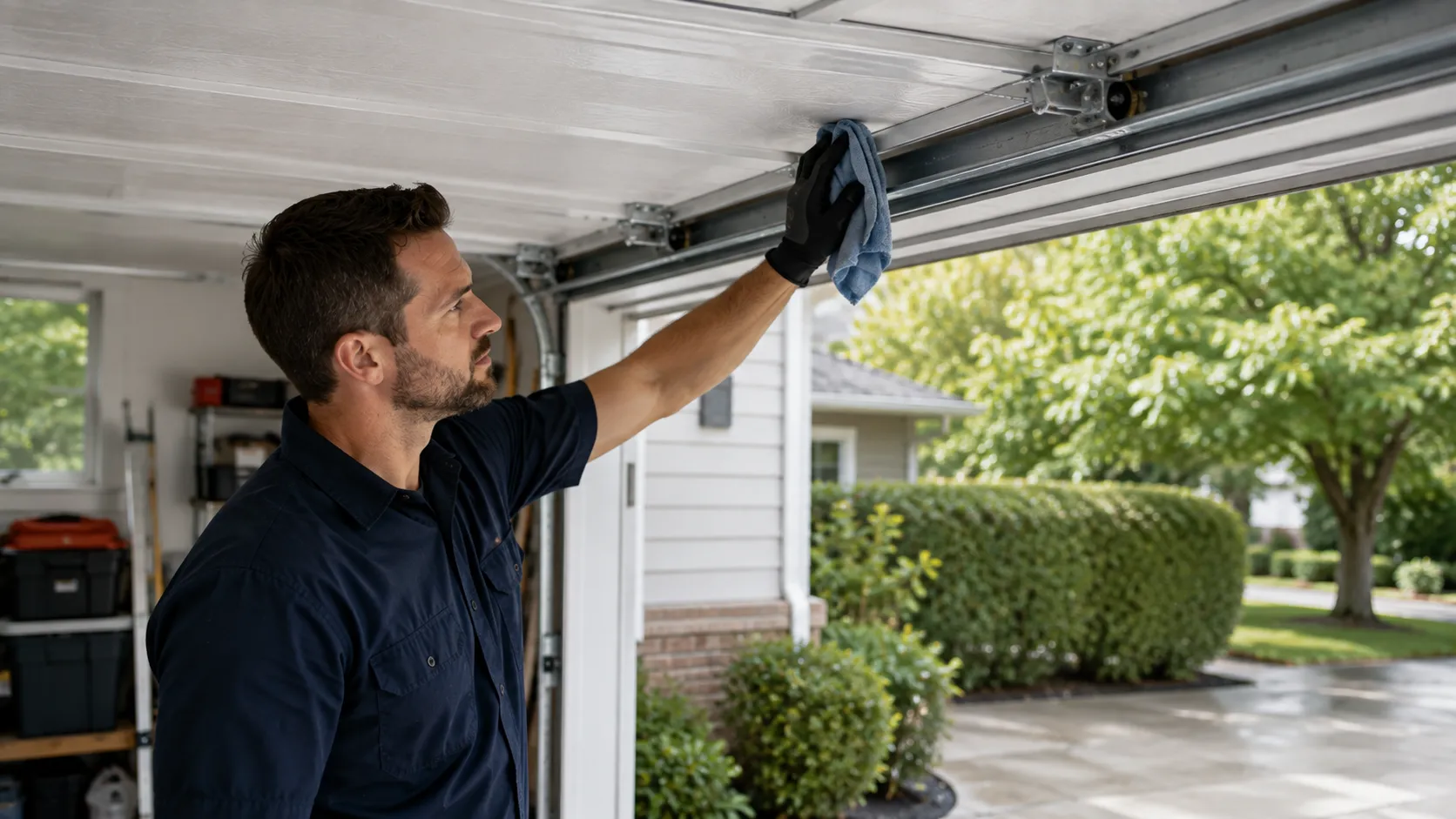
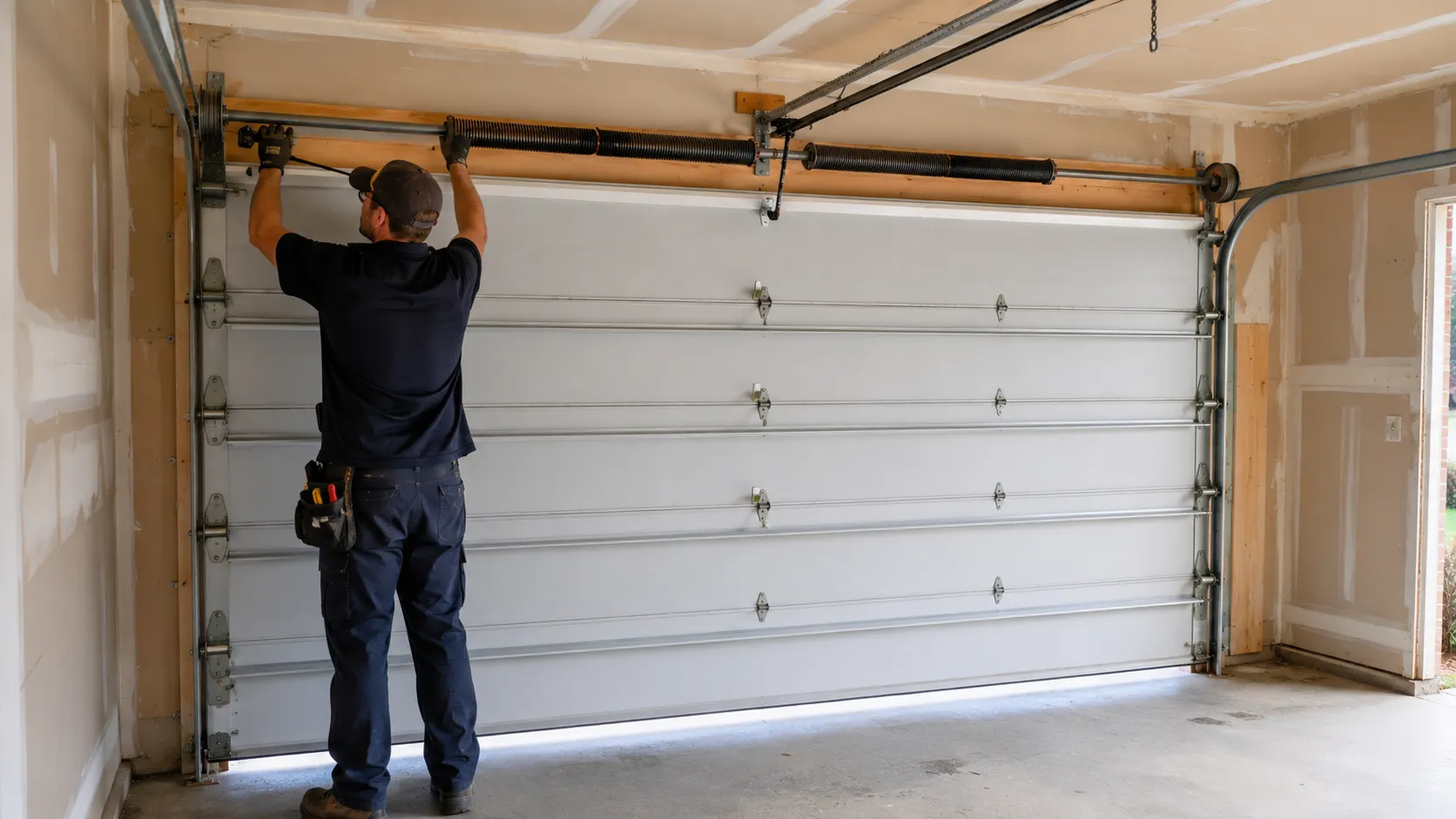
Before you talk price, look at three things tied to the age of this housing stock. First, the track hardware: doors from the 1960s and 70s era common here often run side-mounted torsion springs that newer opener brackets don't fit without an adapter kit. Second, the panel gauge: original steel from that period is thinner than current stock, so a replacement door will feel and sound different even on the same opener.
Third, insulation: given the cold-severe conditions here, an uninsulated original door on a heated garage is going to cost you more in lost heat than the door itself is worth holding onto. None of this is guesswork specific to any one house, but it's what shows up consistently on Dayton-era builds.
The Situation
With a median household income of $70,000 across the service area and 93,639 owner-occupied houses among 187,209 households here, replacement is a real budget decision for most people we talk to, not an impulse buy. The math usually comes down to how much original hardware is left and how bad the winter drag has gotten.
If your door dates to the 1960s-70s wave that makes up most of this stock, parts availability is the practical limit - some of that original hardware isn't made anymore, and a repair that requires a discontinued part is really a replacement decision wearing a repair price tag. We'll walk the door with you and say which one it is before we quote anything.
How We Can Help
Garage Door Repair
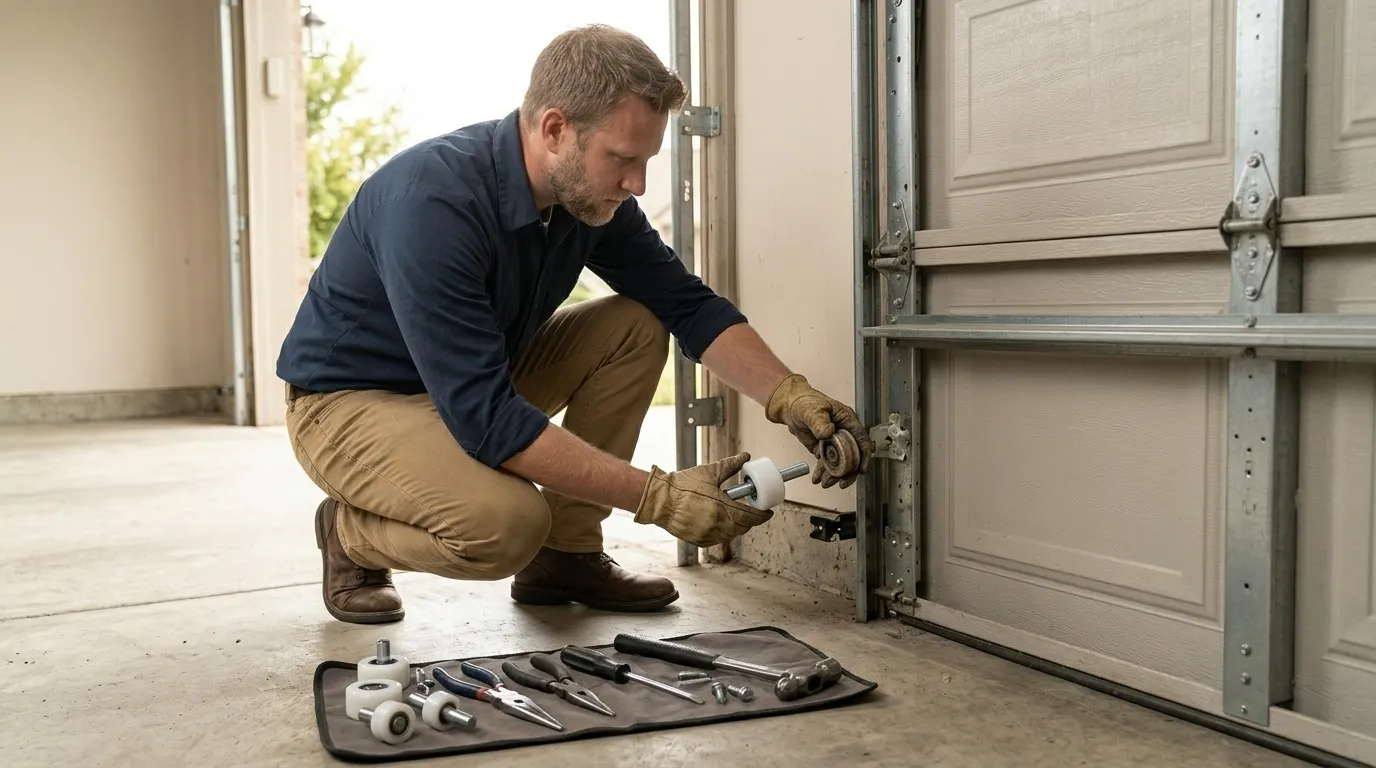
Springs, cables, tracks, rollers, and openers fixed by a tech who explains the problem before touching anything.
Learn more →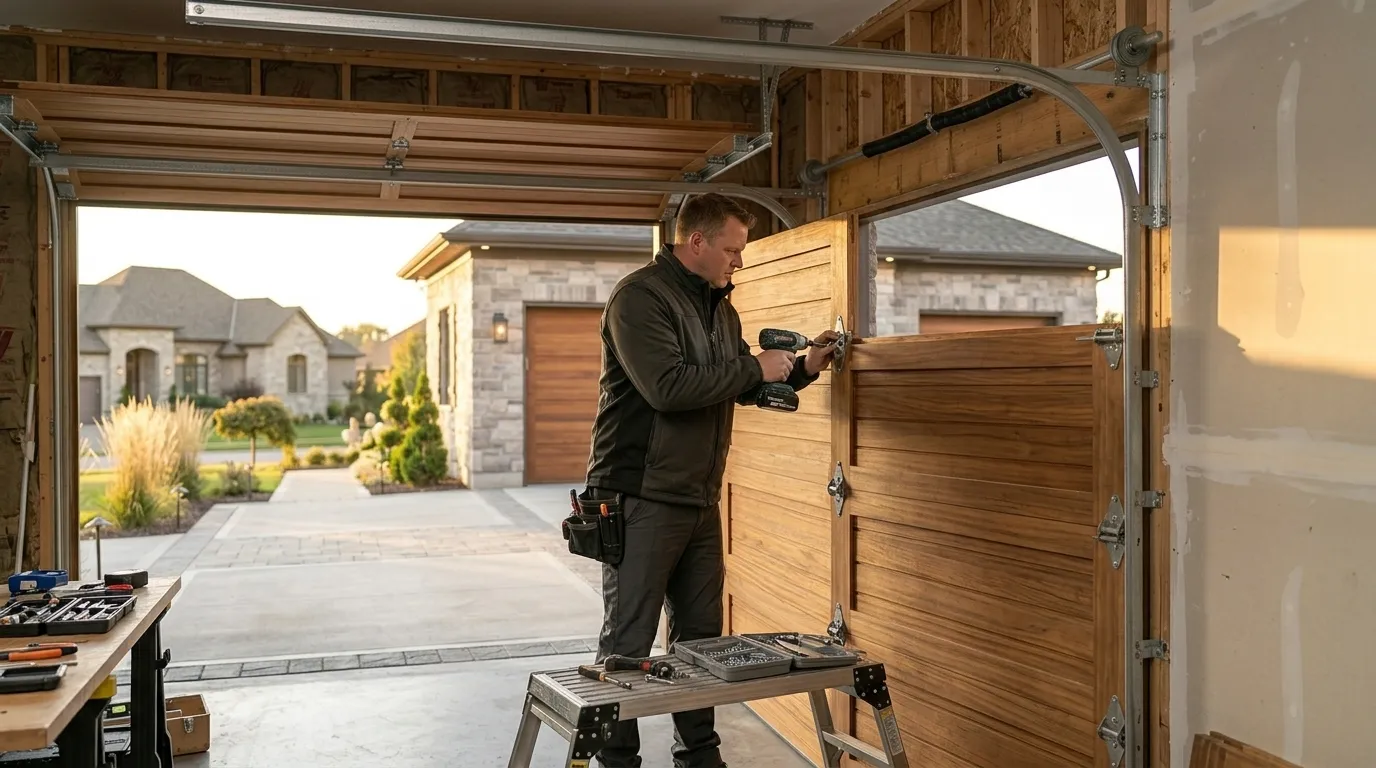
Garage Door Installation
New sectional doors sized and installed for the housing stock actually built in this area.
Learn more →
Garage Door Service
Tune-ups, lubrication, and safety checks that catch a small problem before it becomes a service call.
Learn more →Frequently Asked Questions
Is my garage door too old to repair if the house was built in the 1960s or 70s?
Not automatically. Age alone doesn't retire a door - what matters is whether the track, springs, and panel steel are still sound. A lot of houses in that build era still have serviceable hardware. We check the specific parts before recommending replacement over repair.
Why does my door get harder to open in the winter?
Dayton sits in a cold, severe climate band, and steel panels and nylon rollers both stiffen in hard cold. On original hardware from the 1960s-70s stock common here, that stiffness shows up as dragging or binding at the track long before it would on a newer, better-sealed door.
Will a new opener fit my old torsion spring setup?
Sometimes it needs an adapter bracket. A lot of the doors from Dayton's 1938-1998 build range use side-mounted torsion hardware that predates the bracket standards on current openers. We check the mount before we quote an opener swap.
Have a Door That Needs a Second Opinion?
Call and describe what it is doing - we will tell you what it likely is.