
Dayton, OH
New Door Installation in Kettering
New Garage Door Installation for Kettering Homes
Kettering homes built around 1961 still carry single-layer steel or wood doors sized for cars that don't exist anymore. Here's what a new install actually involves.
- Licensed & Insured
- Same-Area Service Calls
- Upfront Pricing
What Happens When You Call
-
1
Call or Request a Quote
Tell us what the door is doing and roughly how old the house is - that alone points us toward the likely part before a truck leaves.
-
2
On-Site Diagnosis
A tech checks the spring, cables, tracks, and opener in person and tells you plainly what is actually wrong.
-
3
Straight Price, No Surprises
You get a number before any work starts. It covers parts and labor, nothing added after the fact.
-
4
Fixed the Same Visit
Most repairs are done in one trip. If a part needs sourcing, we tell you that upfront instead of guessing.
What You Pay
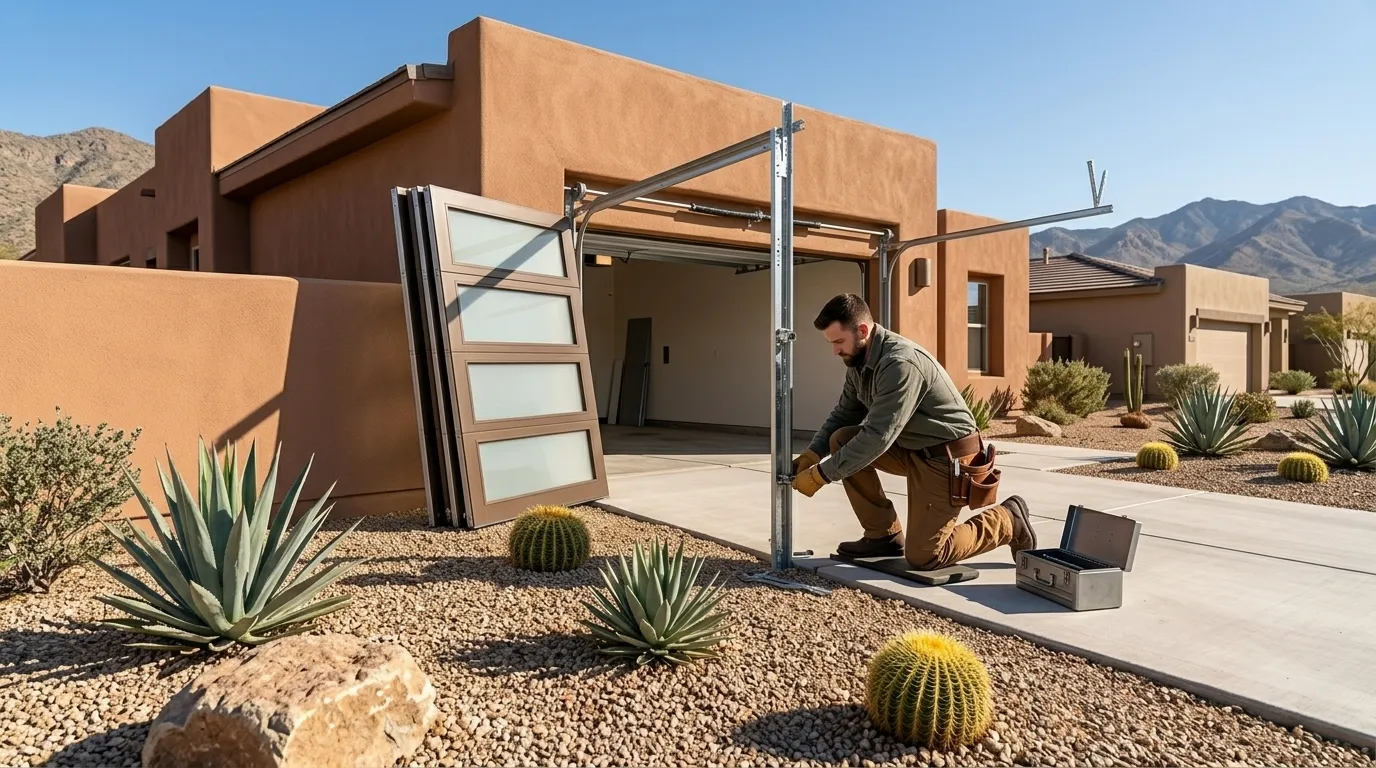
The number that matters most here isn't the county median, it's Kettering's own build year: 1961. A house from that year was framed for a single-car or narrow double bay, usually 8 or 9 feet wide, with a door that's one flat layer of steel or a wood panel slab and no insulation value to speak of. Swapping that original opening for a modern steel or composite door means the installer is working with rough framing that predates current standard widths, so trim work and sometimes header reinforcement come with the job, not as an add-on you didn't expect.
Kettering's median household income sits at $71,619, a bit above the wider service area's $70,000, which tends to put insulated steel and composite doors within reach rather than the bare economy models. We don't quote a price here because your opening's actual width, the condition of the framing behind that 1961 slab, and whether you want insulation change the number more than anything we could print. What we can tell you: a straight swap on an existing single-car opening costs less than reworking a bay to fit a modern double door, and that's usually the bigger decision than which brand you pick.
How It Shows Up
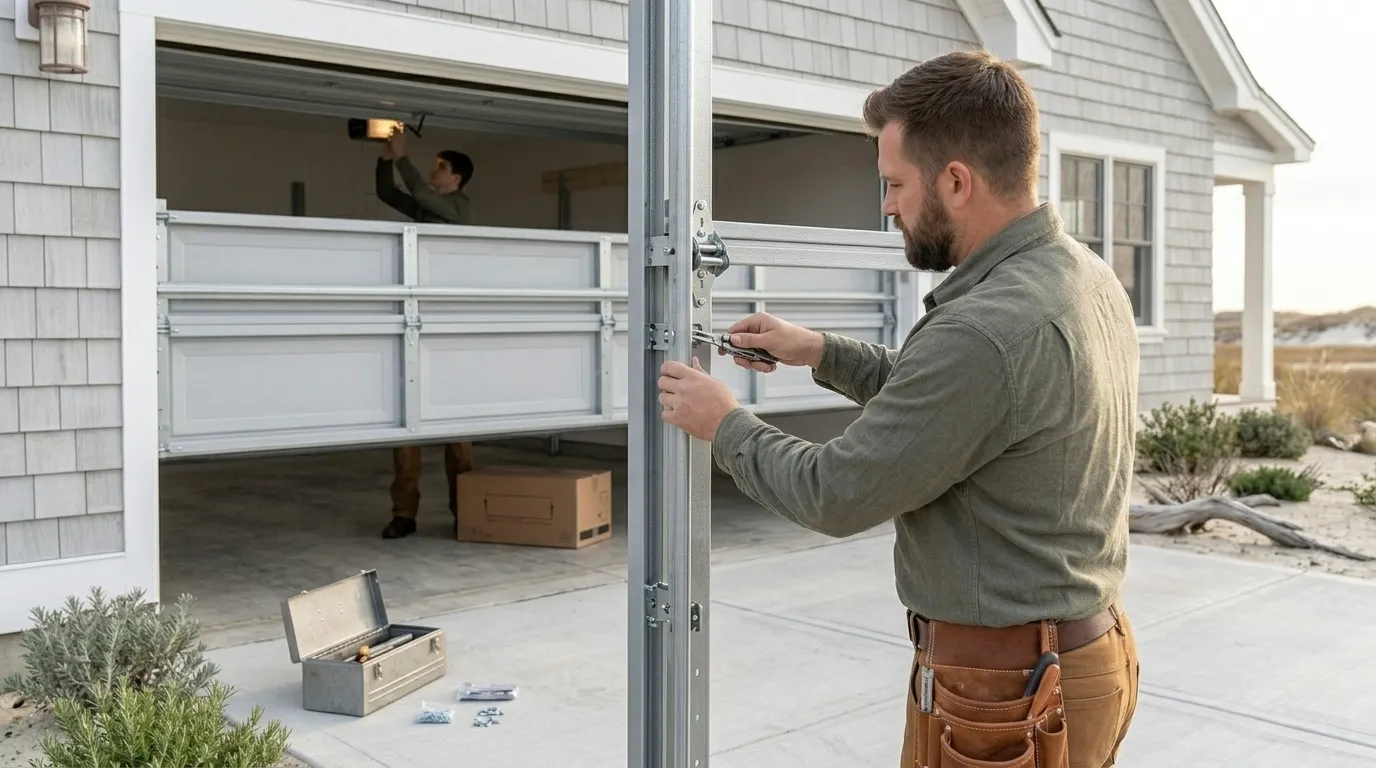
Most calls from this part of the county start the same way: the door still closes, but it's heavy, it drags on one side, or the seal along the bottom has crumbled to nothing. That's what a 1961-era single-layer door looks like sixty-plus years in. It's not a warning sign of failure so much as the sign the door has simply aged out.
In Kettering specifically, homeowners tend to notice the cold coming through the door into the garage before they notice anything mechanical, which tracks with a severe cold climate band and a door that was never built with a thermal break. If you're deciding whether this is a repair or a replacement call, the honest answer is that once the door itself is original steel or wood from that era, springs and rollers can be serviced, but the panel and the lack of insulation are not something you fix piece by piece.
What Can Go Wrong
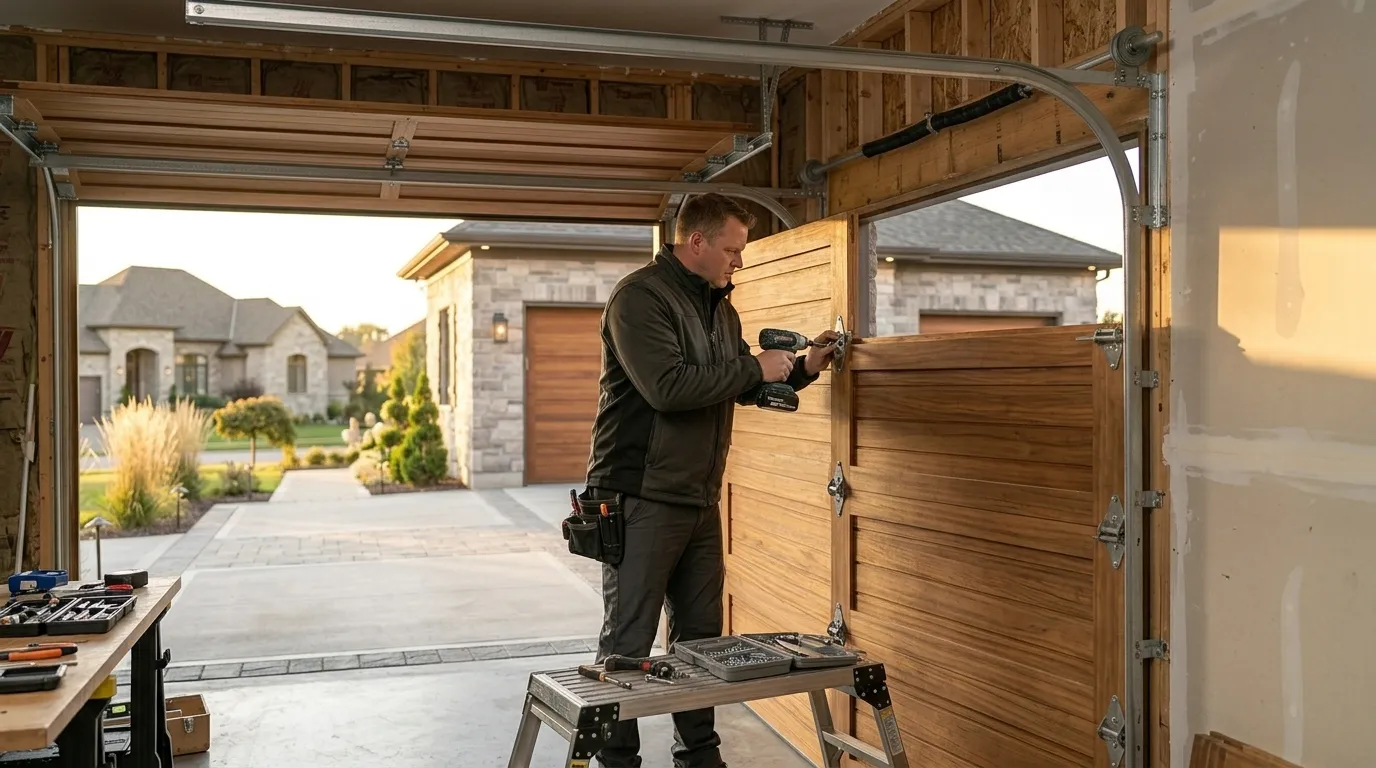
Original openings from 1961 were sized for the cars and hardware of that decade, and that mismatch is the single most common problem we see on install day. A new door ordered to today's standard width won't always drop into a frame built sixty years ago without adjustment to the jambs or header.
Track and spring hardware from that era also used mounting points that current torsion systems don't match, so reusing old brackets is rarely an option even when a homeowner asks for it to save money. The other failure point is the same climate factor mentioned above: a severe cold band means condensation and ice at the bottom seal in winter, and if the new door isn't set with the right threshold gap, that problem just gets rebuilt into the new install.
Why It Happens Here
Kettering sits about 7 miles from Dayton, close enough that it grew up fast in the postwar decades, and the 1961 median build year reflects that single wave of construction rather than a mix of eras. Across the roughly 26,192 households in Kettering, that means a large share of garages are working with openings and framing from the same narrow window of time, which is why the same width and hardware mismatch shows up house after house rather than being a one-off.
It's a different story than areas with housing stretching back to the 1930s or forward into the 1990s, where the fixes vary house to house. Here, once you've seen one 1961 opening, you've seen most of them, and that's useful information for planning the job before the truck arrives from Dayton.
Talk to a Kettering Technician First
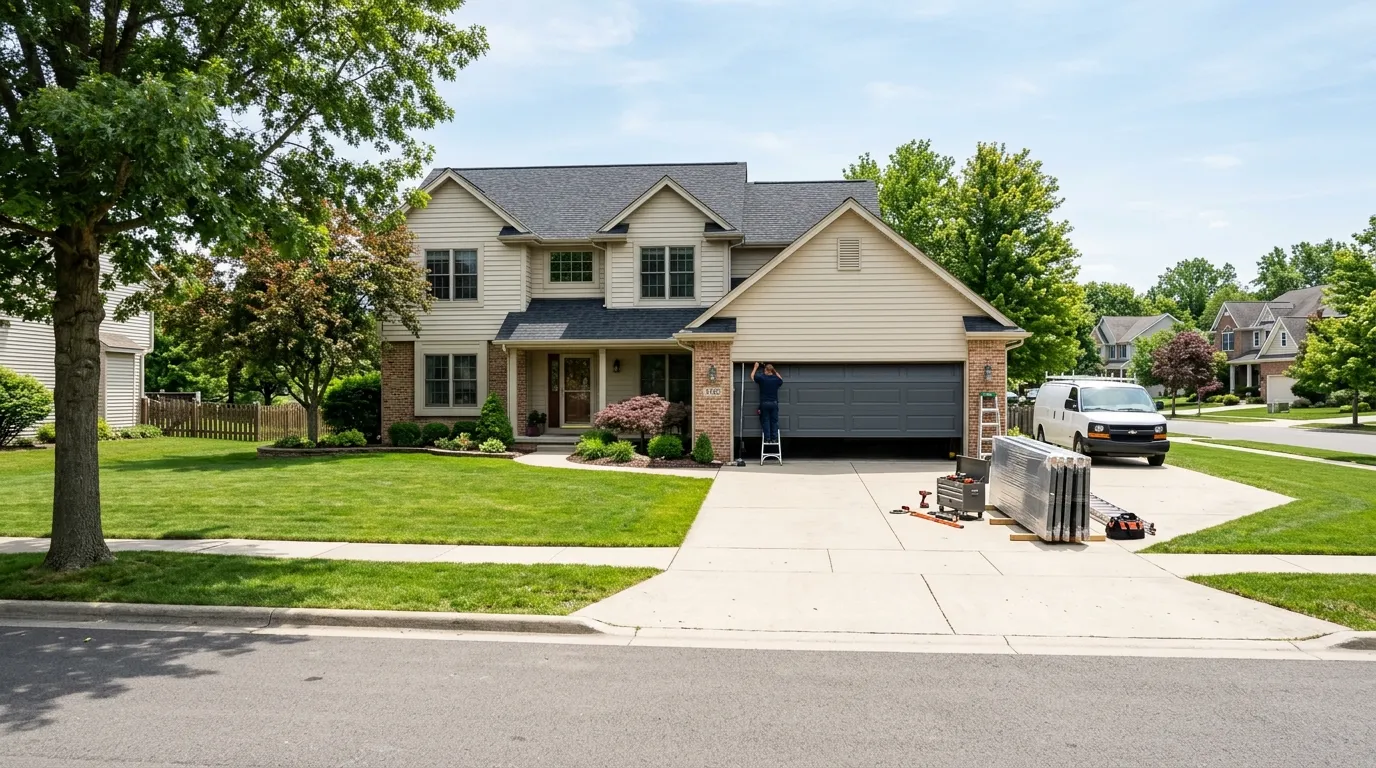
Describe what the door is doing and get a straight answer on what it likely needs.
Other Garage Door Services in Kettering
Recent Work in Kettering
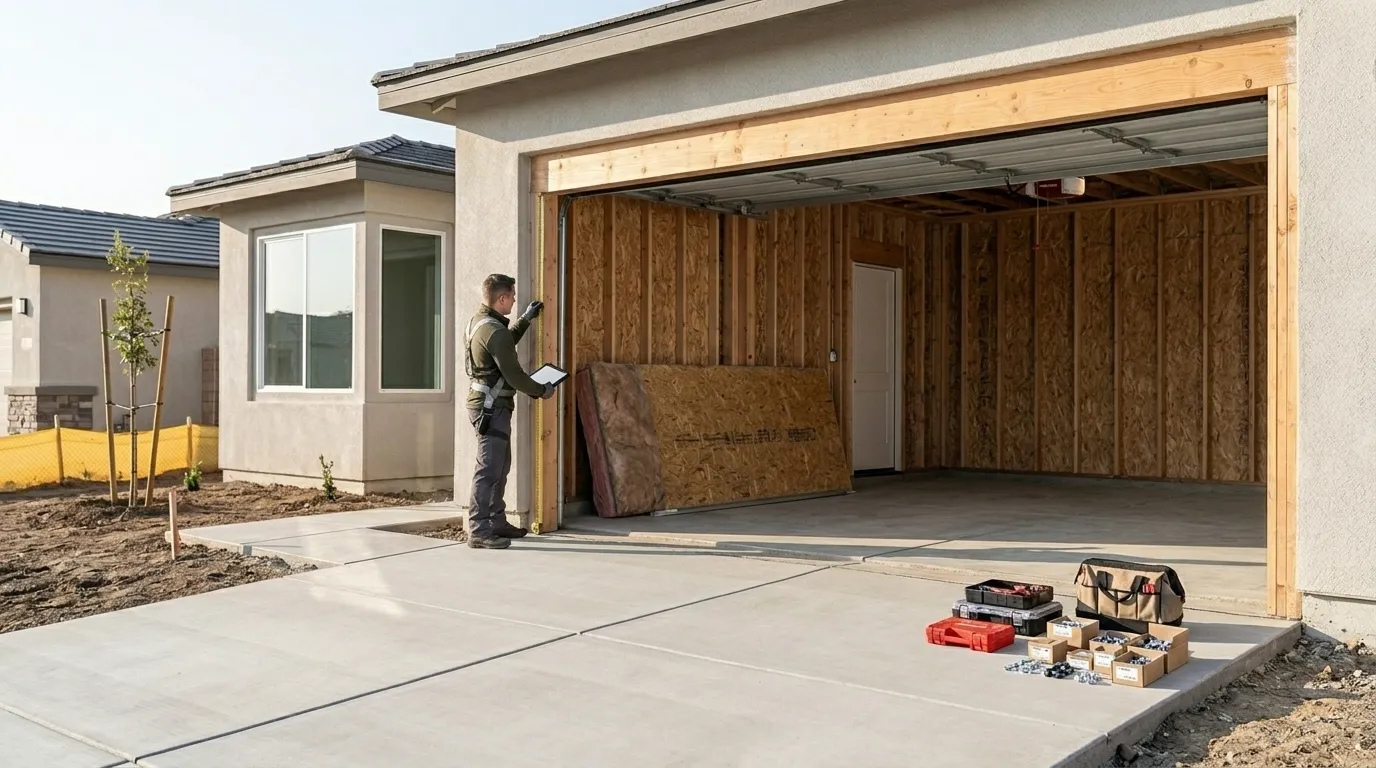
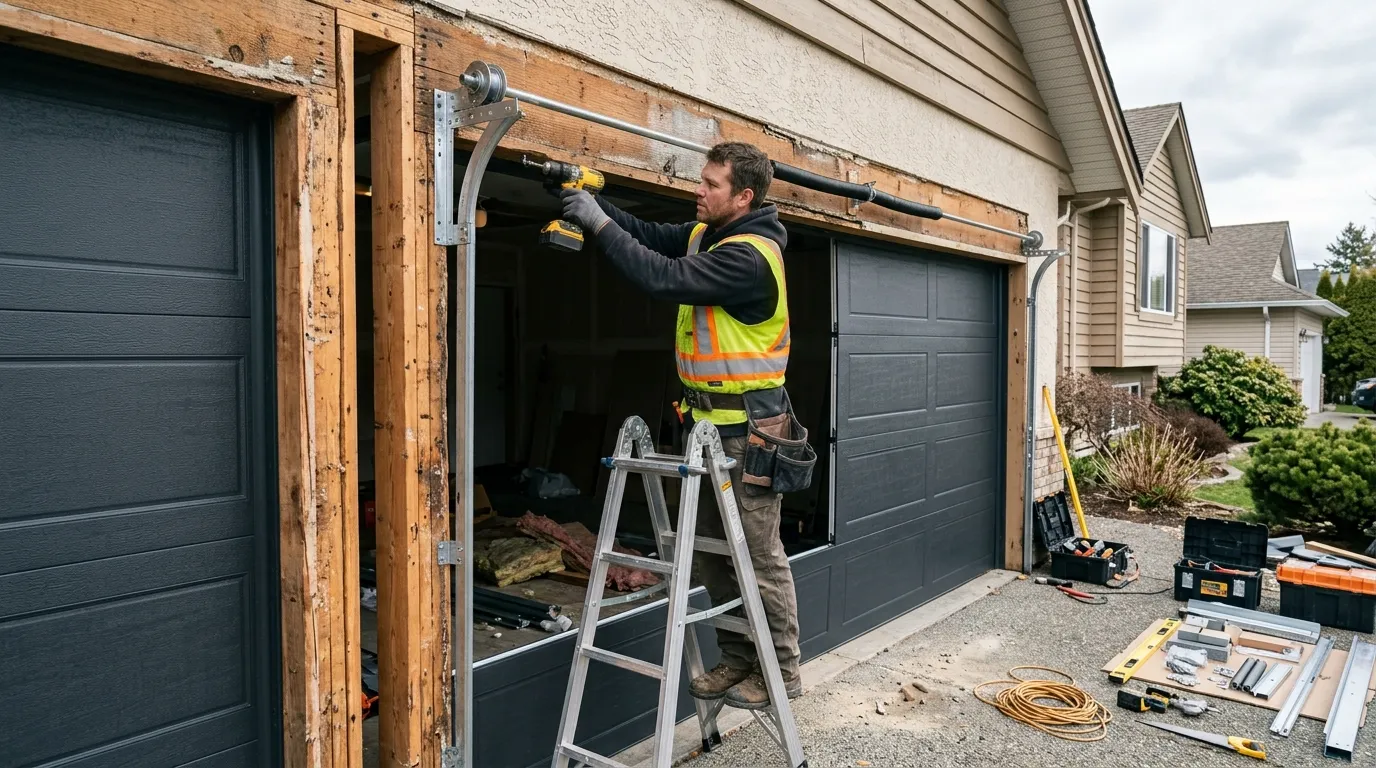
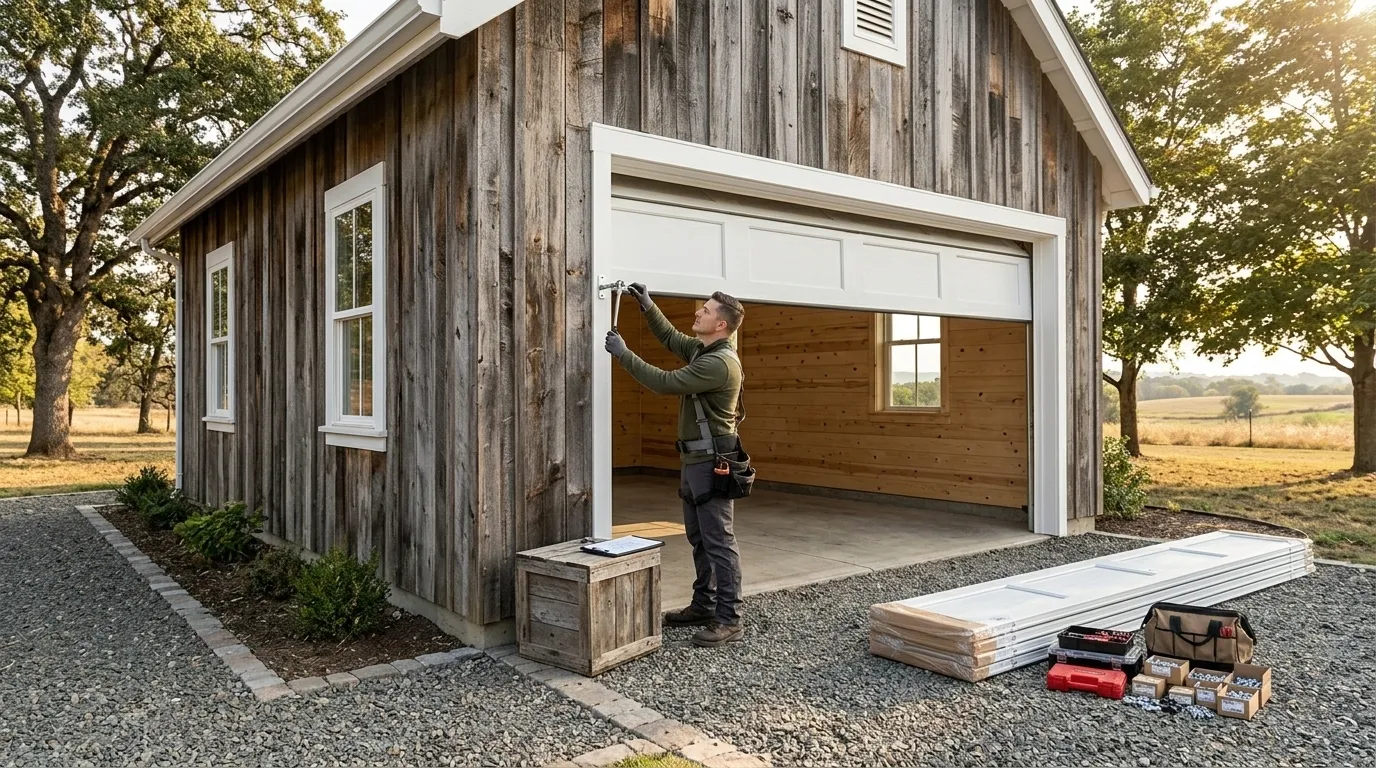
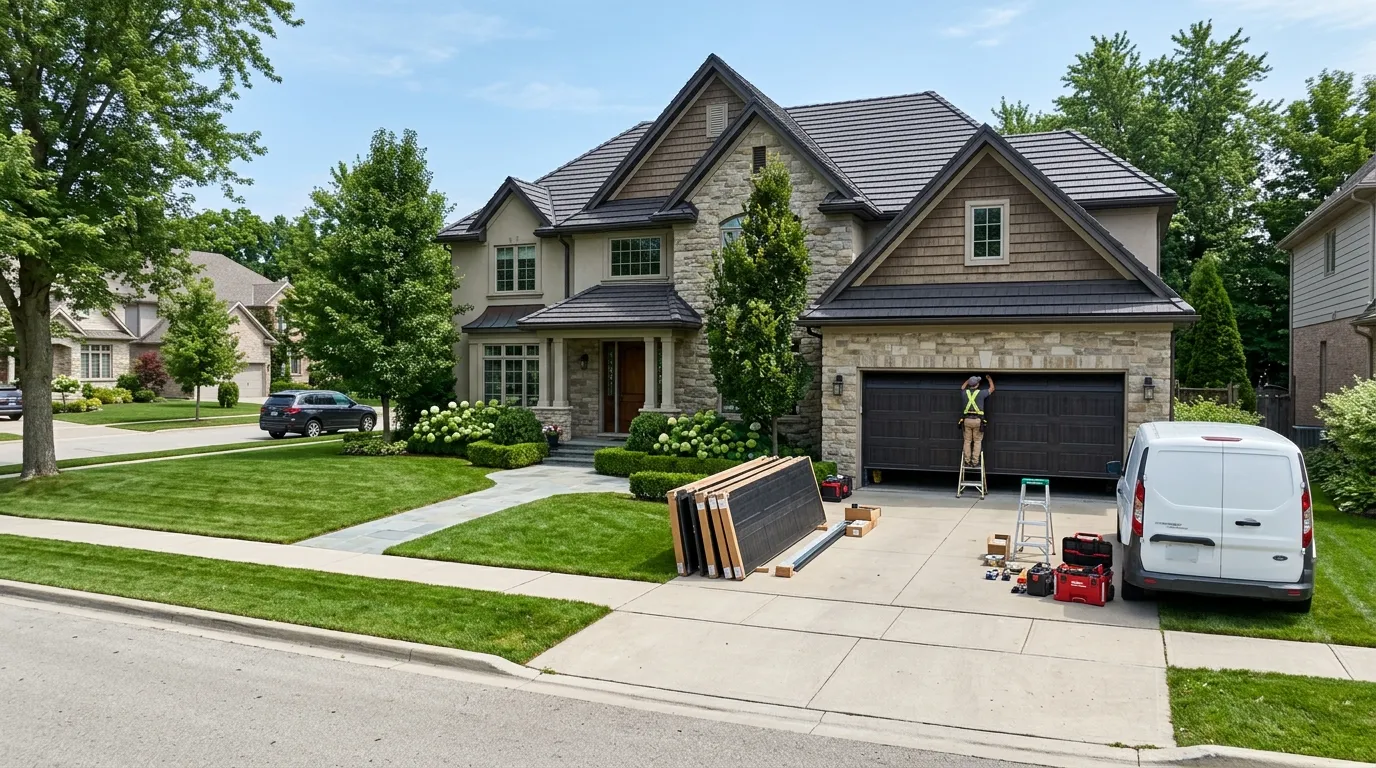
A look at jobs our crew has been on nearby.
Why Kettering Calls Us
Frequently Asked Questions
Will a new garage door fit my existing 1961 opening without changes?
Sometimes, but not always. Openings from that build year were often sized narrower than today's standard doors, so the frame or header may need adjustment. We check the actual opening width before quoting, rather than assuming it matches current standard sizes.
Is it worth insulating a new door given how cold it gets here?
Given the severe cold climate band this area sits in, yes, an insulated steel or composite door makes a real difference over an original 1960s single-layer slab, especially if the garage shares a wall with living space.
Can you reuse my old torsion hardware on a new door?
Usually not. Hardware from a 1960s-era install typically doesn't match current torsion mounting points, so a new door generally comes with new springs and track rather than reused originals.
Do you have a local branch in Kettering?
No, we run this job out of Dayton, about 7 miles away. We're upfront about that so there's no confusion about a local depot that doesn't exist.
Need New Door Installation in Kettering?
Call now for straight answers on cost and timing.