
Dayton, OH
Service
Opener Repair Across the Dayton Area
Garage door opener repairs for homes across the Dayton, Ohio area, where 1960s-70s housing stock and cold winters strain worn openers and hardware fast.
- Licensed & Insured
- Same-Area Service Calls
- Upfront Pricing
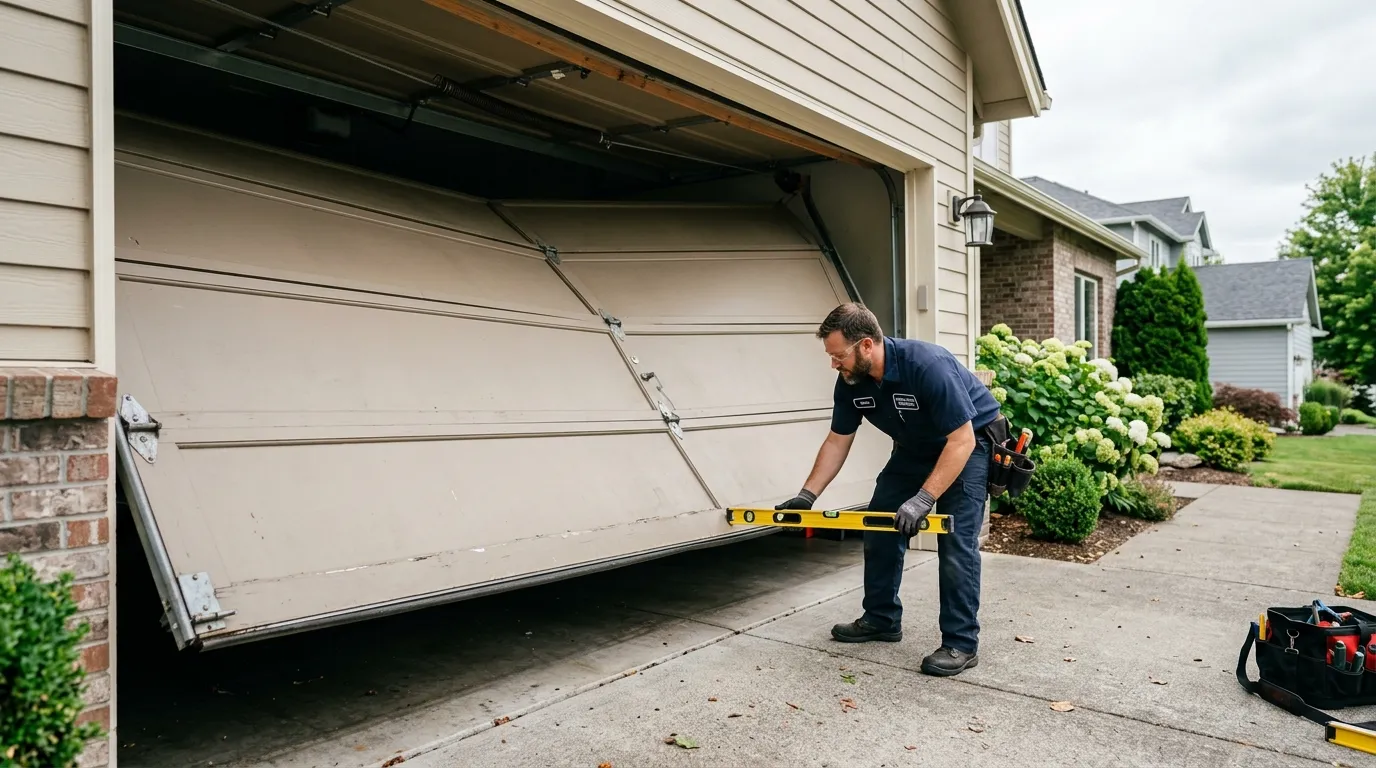
What Happens When You Call
-
1
Call or Request a Quote
Tell us what the door is doing and roughly how old the house is - that alone points us toward the likely part before a truck leaves.
-
2
On-Site Diagnosis
A tech checks the spring, cables, tracks, and opener in person and tells you plainly what is actually wrong.
-
3
Straight Price, No Surprises
You get a number before any work starts. It covers parts and labor, nothing added after the fact.
-
4
Fixed the Same Visit
Most repairs are done in one trip. If a part needs sourcing, we tell you that upfront instead of guessing.
Why It Happens Here
Most of the houses we get called to sit in neighborhoods built between 1938 and 1998, with the median year landing around 1971. That's not a small detail.
A house from that era usually got its opener as a retrofit sometime in the 70s or 80s, bolted onto a garage door and framing that were never designed with a motorized opener in mind. Across the 37 named areas we work in, the bulk of the housing stock traces back to that same 1960s-70s window, so the failure patterns repeat from one street to the next: worn drive gears, cracked plastic sprockets, and wiring that's been patched more than once.
Then there's the cold. This region sits in a climate band the federal data marks as cold and severe, and winter is where marginal openers stop being marginal. Grease that's fine in September turns to paste in January, motors that were already straining pull harder against stiff chains and tight cables, and a unit that's been limping along for two seasons finally quits on the coldest morning of the year.
It's not bad luck. It's an old motor meeting a cold snap it was never built to handle.
Stocked Parts
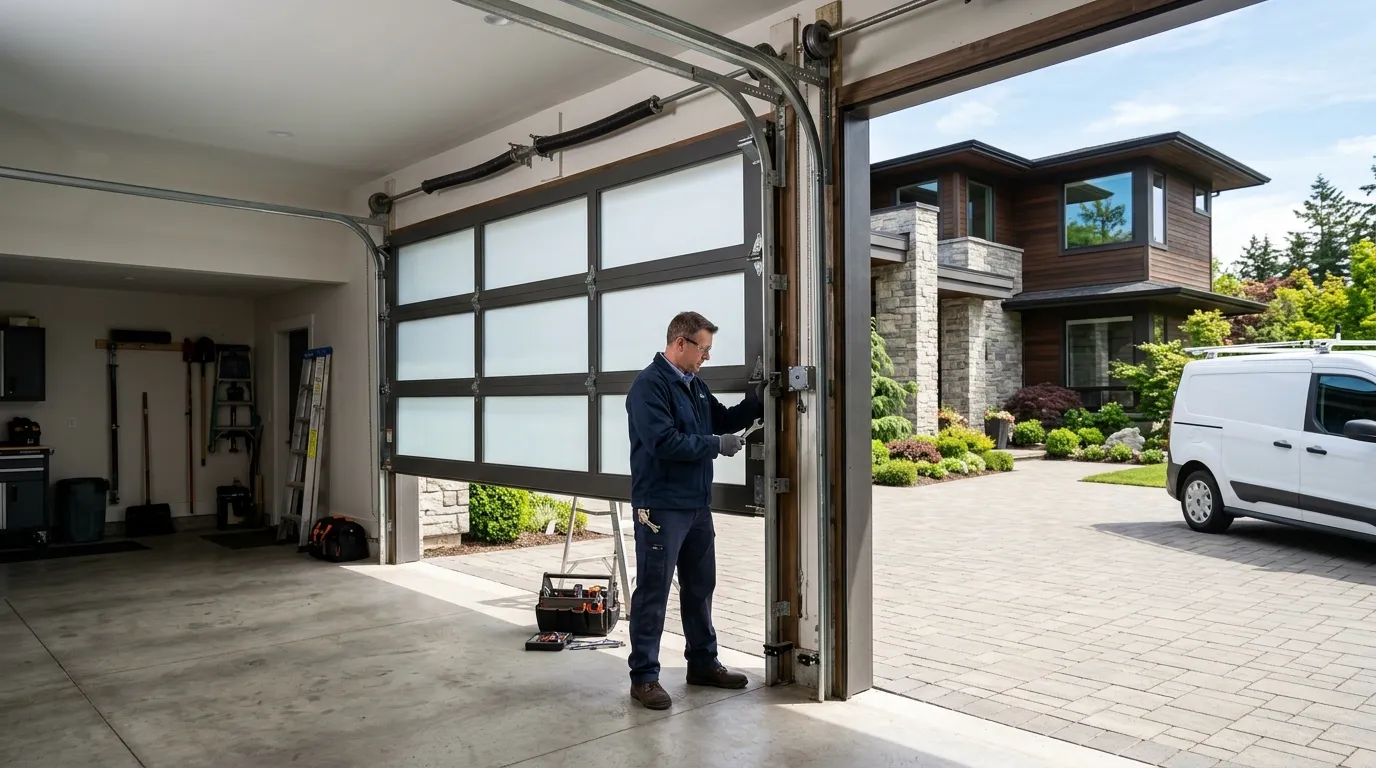
Given how much of the opener fleet out here dates to the 70s and 80s, we carry the parts that actually fail on those units: drive gears and sprockets for chain and belt drives, circuit boards for the common consumer brands, safety sensor pairs, wall consoles, and remotes. Those are the five things that take down an opener nine times out of ten, and we don't want a truck roll to turn into a second visit because we didn't have the part on the shelf.
Where we run into trouble is the genuinely old stuff - a screw-drive unit from the early days of retrofit openers, or a board for a model that's been out of production for decades. Those sometimes take a special order, and we'll tell you that up front rather than pretend otherwise. It's a small share of calls, but it happens, and a homeowner deserves to know before we start rather than after.
What You Pay
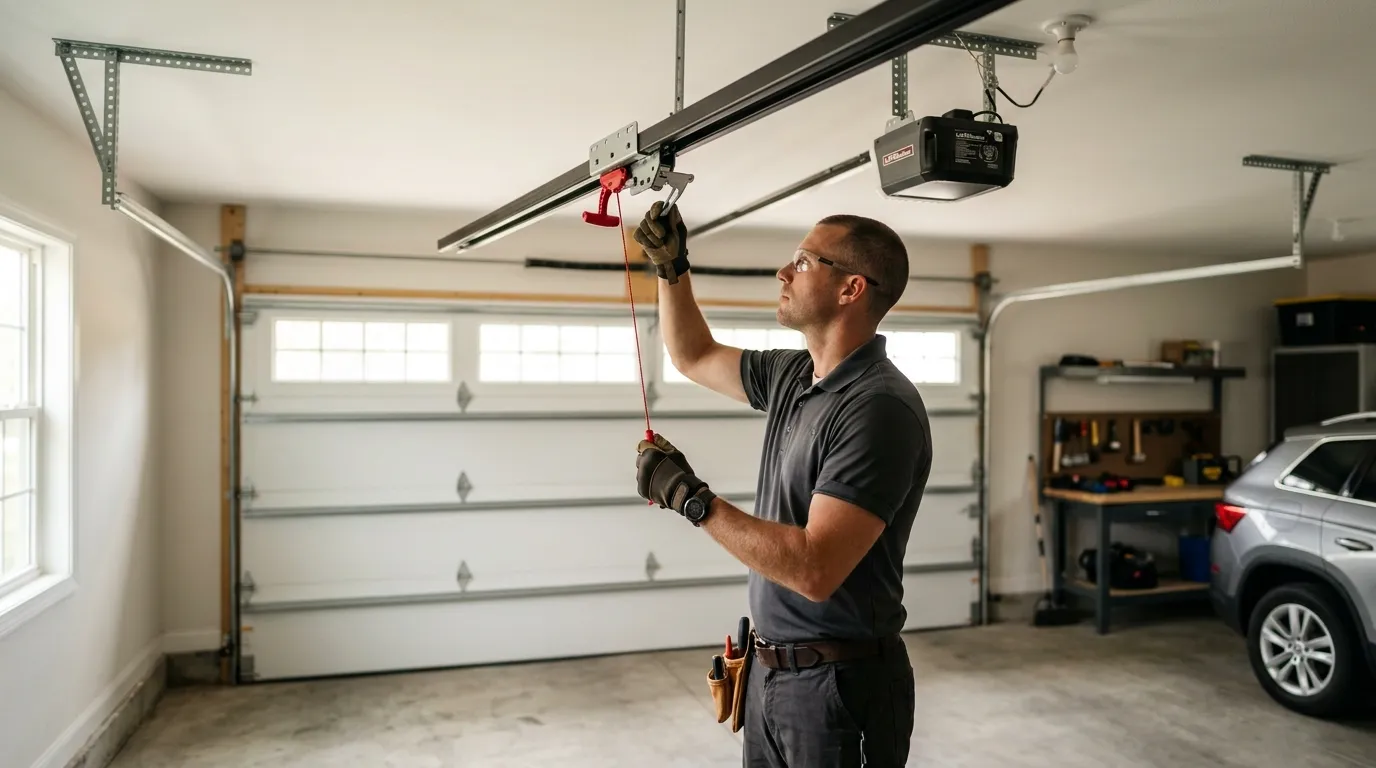
We don't quote a number here because it depends on what's actually wrong - a sensor out of alignment costs a fraction of a burned-out circuit board, and a full opener swap is its own conversation. What we can tell you is how we think about it. Across the service area, median household income runs around $70,000, and that number shapes how we price work: most owners want a repair that gets the door running again, not an upsell toward a new unit when the old one has years left in it.
With roughly 93,639 owner-occupied houses among the area's 187,209 households, we see a wide range of opener ages and brands, and pricing follows the part, not a flat rate. If a repair would cost close to what a new opener runs, we'll say so plainly. Sometimes the honest answer is that the motor's done and a repair just delays the same call by six months.
How It Shows Up
The opener hums but the door doesn't move - that's usually a stripped gear, common on units old enough to have plastic internals worn thin. The door reverses partway up or down for no clear reason, which points to a sensor knocked out of alignment or a limit switch drifting, something that shows up more in winter when housings contract slightly in the cold. A remote that worked yesterday and does nothing today is often a dead coin battery, but on older consoles it can be a board losing its memory.
Then there's the slow start - the opener takes a beat longer to engage on cold mornings, straining against stiff grease and a chain that hasn't been adjusted in years. Left alone through a few more cold snaps, that slow start turns into no start.
None of these are dramatic failures. They're small, and that's exactly why they get ignored until the door won't open on the one morning you need it to.
Talk to a Technician Before You Book
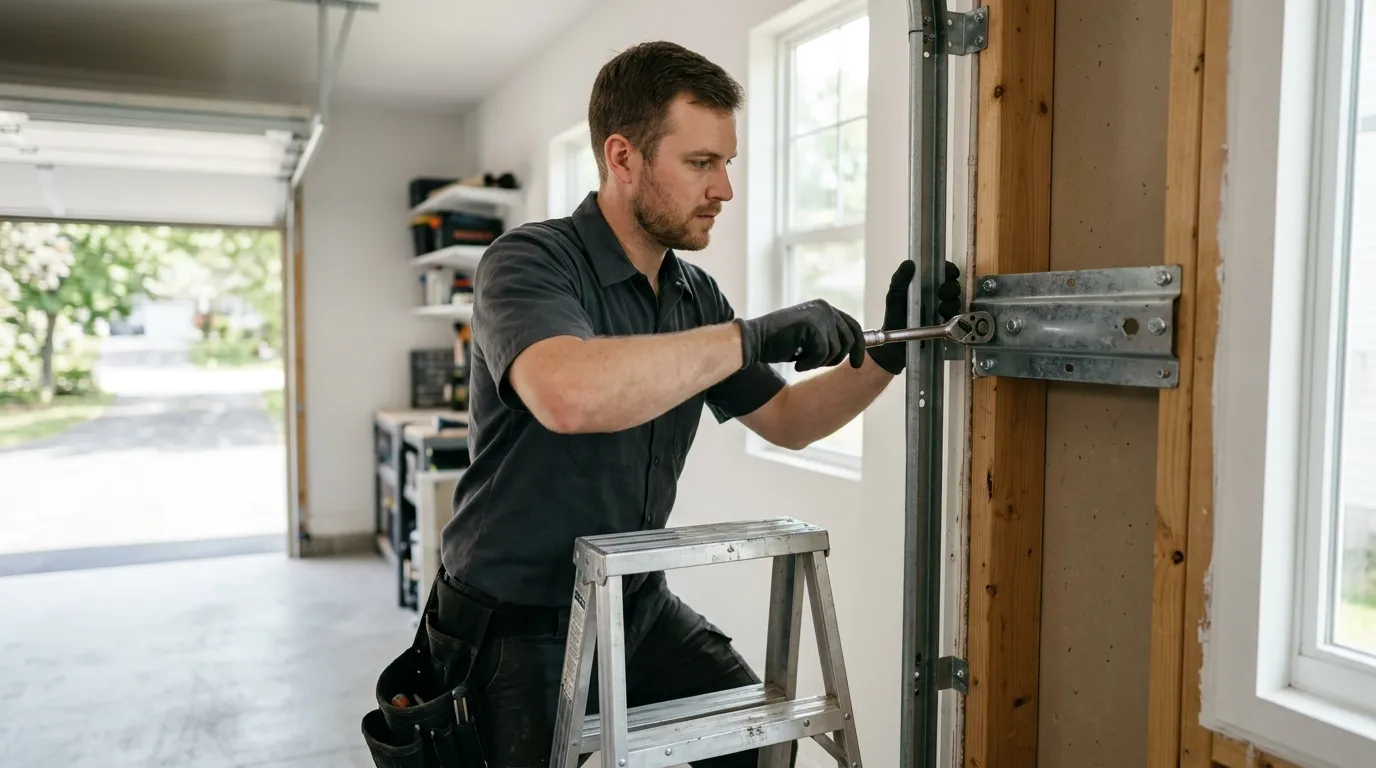
Describe what the door is doing and get a straight answer on what it likely needs.
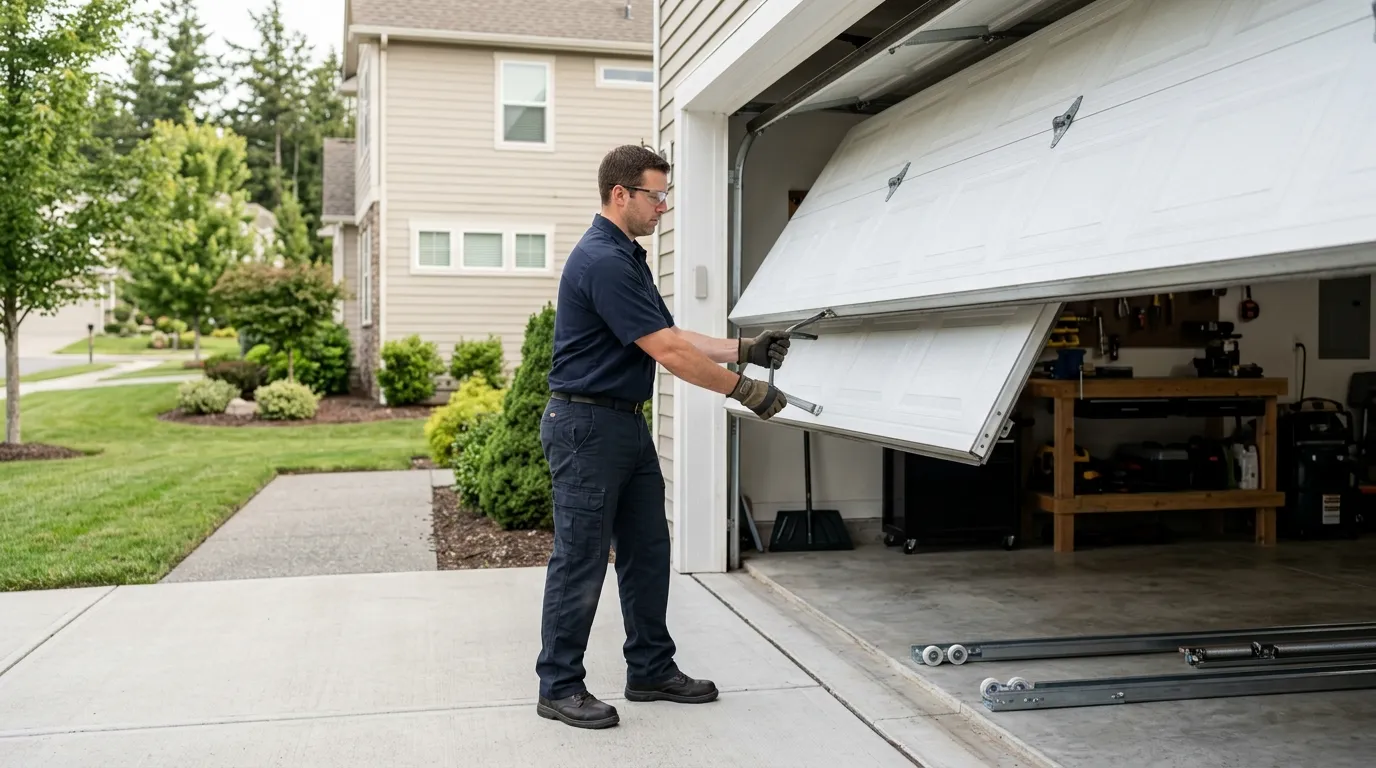
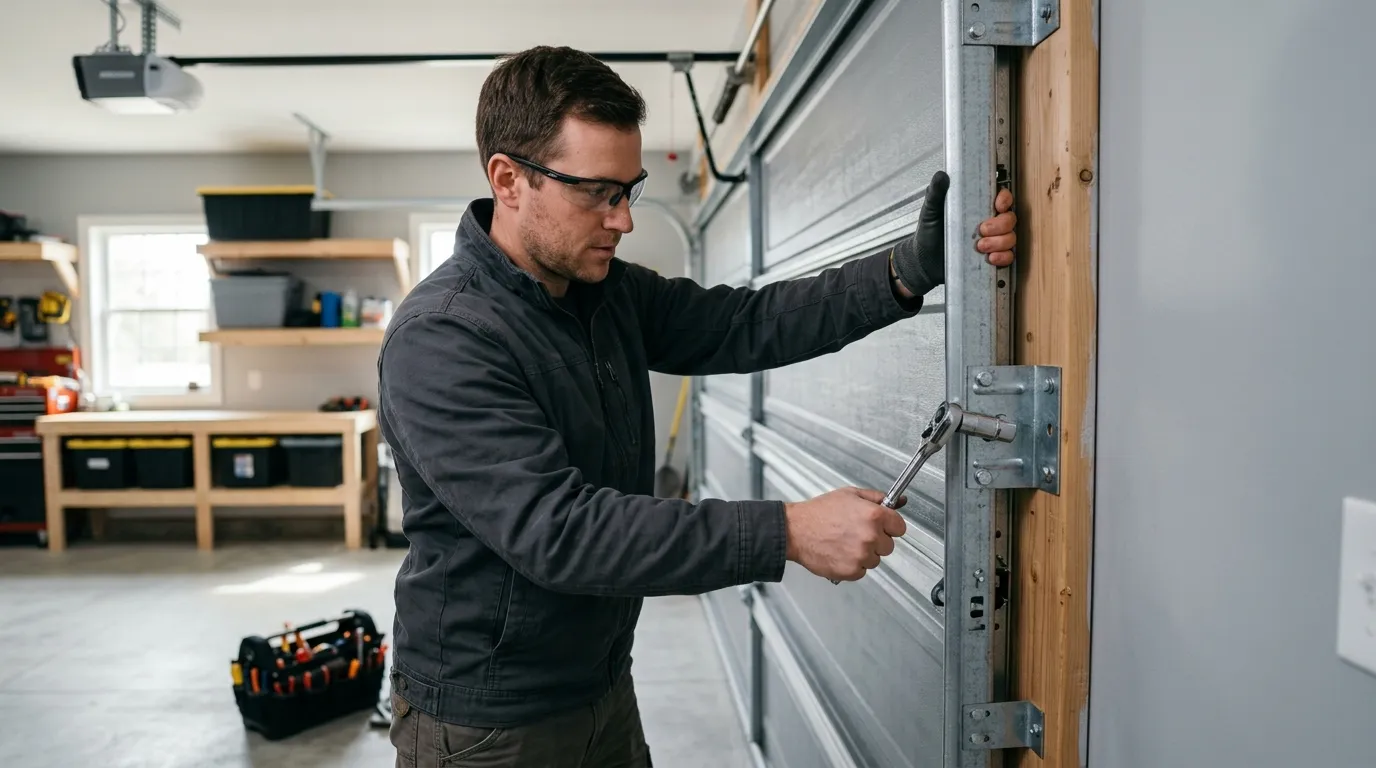
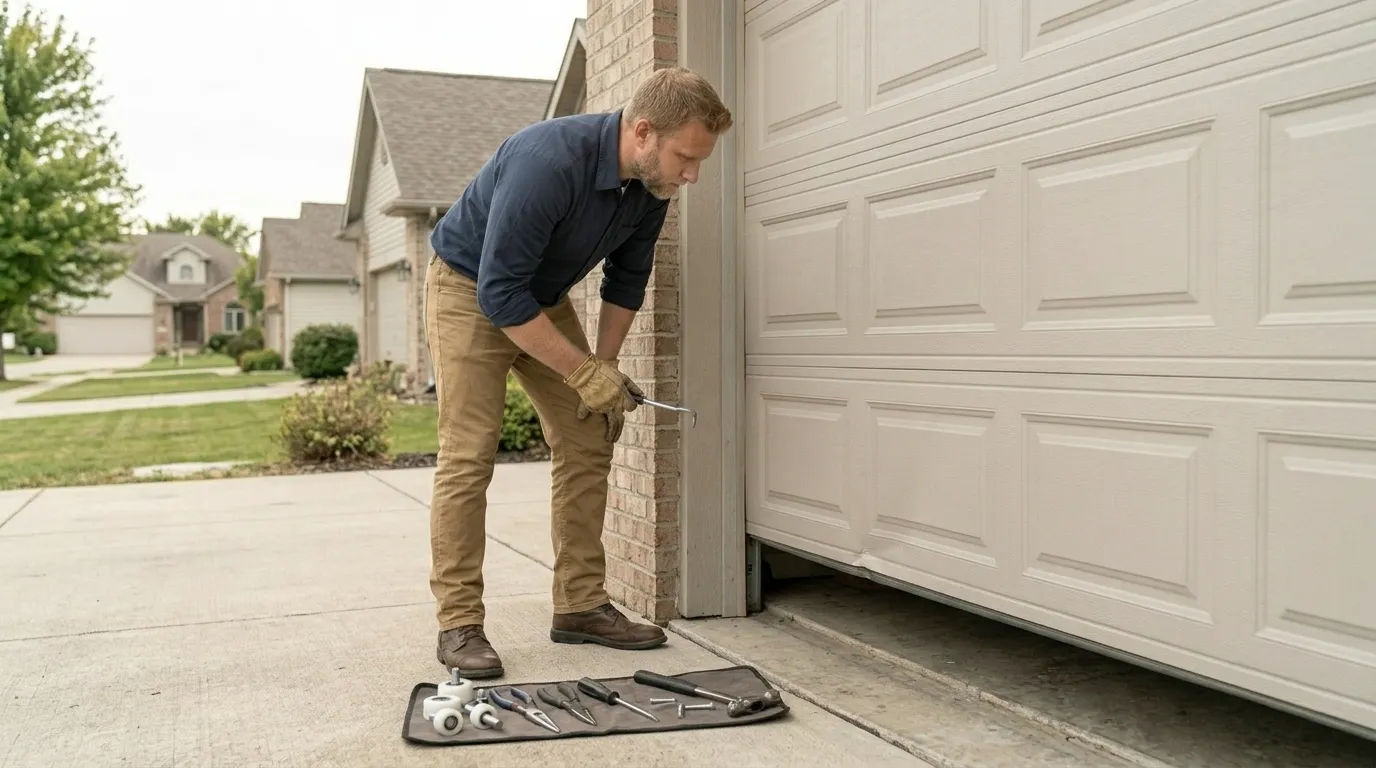
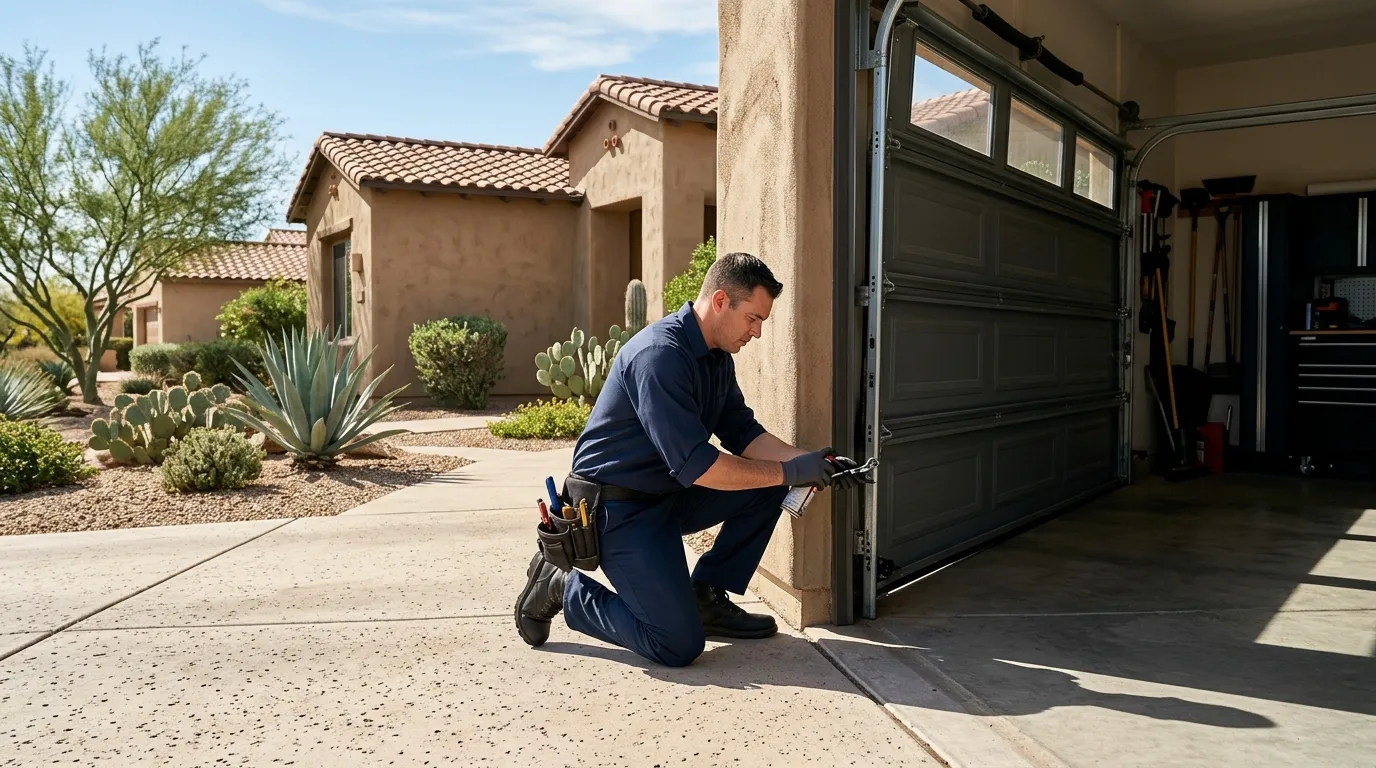
Jobs Like Yours
Recent work from this service line.
Why Dayton Calls Us
Frequently Asked Questions
Why does my opener only act up in the winter?
Cold thickens the grease on the drive gear or screw and tightens up the chain or belt, so the motor has to work harder to get the door moving. If the opener was already marginal, that extra strain in a cold, severe climate is often what pushes it from slow to dead. Warmer weather can mask a problem that's actually been building for months.
Is it worth repairing an opener from the 70s or 80s?
Sometimes, if the motor itself is sound and the failure is a gear, board, or sensor. A lot of the houses out here still run original or first-replacement openers from that era, and a targeted part swap can add years of life. If the motor's burned out, replacement usually makes more sense than chasing repairs on a unit that old.
Do you stock parts for older opener models?
We stock the parts that fail most often - gears, sprockets, boards for the common brands, sensors, and remotes. Genuinely discontinued models sometimes need a special-order part, and we'll tell you that before starting the job rather than after.
Need Opener Repair Across the Dayton Area?
Call now for straight answers on cost and timing.