
Dayton, OH
Roller Replacement in Trotwood
Roller Replacement for Trotwood's 1960s Garage Doors
Trotwood homes date mostly to 1963, older than the Dayton average, and that means steel rollers on narrow track. Here's what fails and what it costs to fix.
- Licensed & Insured
- Same-Area Service Calls
- Upfront Pricing
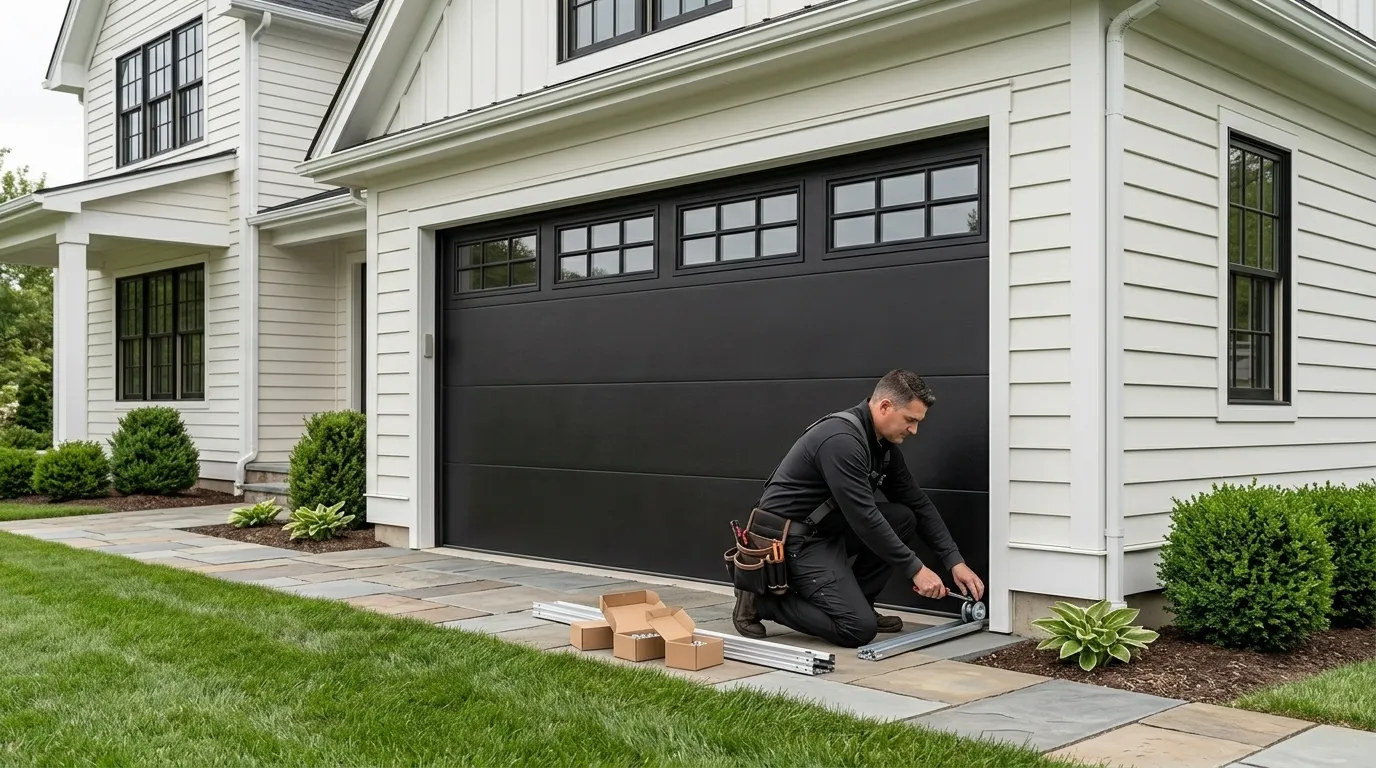
What Happens When You Call
-
1
Call or Request a Quote
Tell us what the door is doing and roughly how old the house is - that alone points us toward the likely part before a truck leaves.
-
2
On-Site Diagnosis
A tech checks the spring, cables, tracks, and opener in person and tells you plainly what is actually wrong.
-
3
Straight Price, No Surprises
You get a number before any work starts. It covers parts and labor, nothing added after the fact.
-
4
Fixed the Same Visit
Most repairs are done in one trip. If a part needs sourcing, we tell you that upfront instead of guessing.
The DIY Question
Swapping a roller looks simple until you're staring at a door built around 1963, which is the median build year in Trotwood - a full eight years older than the average across the wider Dayton service area. Doors from that era often run on narrower track with steel rollers that were never meant to be replaced one at a time; the whole run wears at a similar rate, so a DIY fix on one roller usually reveals three more ready to go the same week.
You can do this yourself if you're comfortable with a door under spring tension, know how to keep the track aligned while you work, and are prepared to buy a full set of rollers rather than a single replacement. What you can't safely DIY is anything involving the torsion spring or the bottom bracket on a door this old - those brackets on 1960s hardware are frequently rusted at the bolt and will snap a wrench before they turn.
If a roller has already jumped the track, that's the point to stop and call rather than force it back in, because forcing it bends the track and turns a $20 roller job into a track replacement. We don't recommend reusing old steel rollers even as a spare - once one has flat-spotted from age, the rest of the set isn't far behind.

Why It Happens Here
Trotwood sits about 6 miles from Dayton, and its housing stock is older than the region's overall median of 1971 - most of the neighborhood went up around 1963, squarely in the era of steel rollers on steel track with no nylon bushing. Those rollers ride metal-on-metal, which means every open and close cycle grinds a little more material off the roller stem. Forty-plus winters of that wear, combined with the region's cold-severe climate, is what finally lets a roller seize in its track or shear at the stem.
Cold matters more here than people expect. Steel rollers stiffen in low temperatures, and a roller that's already worn thin resists turning smoothly on a hard freeze morning - that's often the exact moment it finally gives out, not on a mild afternoon. Doors on this build cycle also tend to have shorter track runs than newer construction, so a roller riding rough has less distance to smooth itself out before it binds.
None of this is unique to any one house in Trotwood; it's a function of when the neighborhood was built, and it shows up street after street.
How It Shows Up
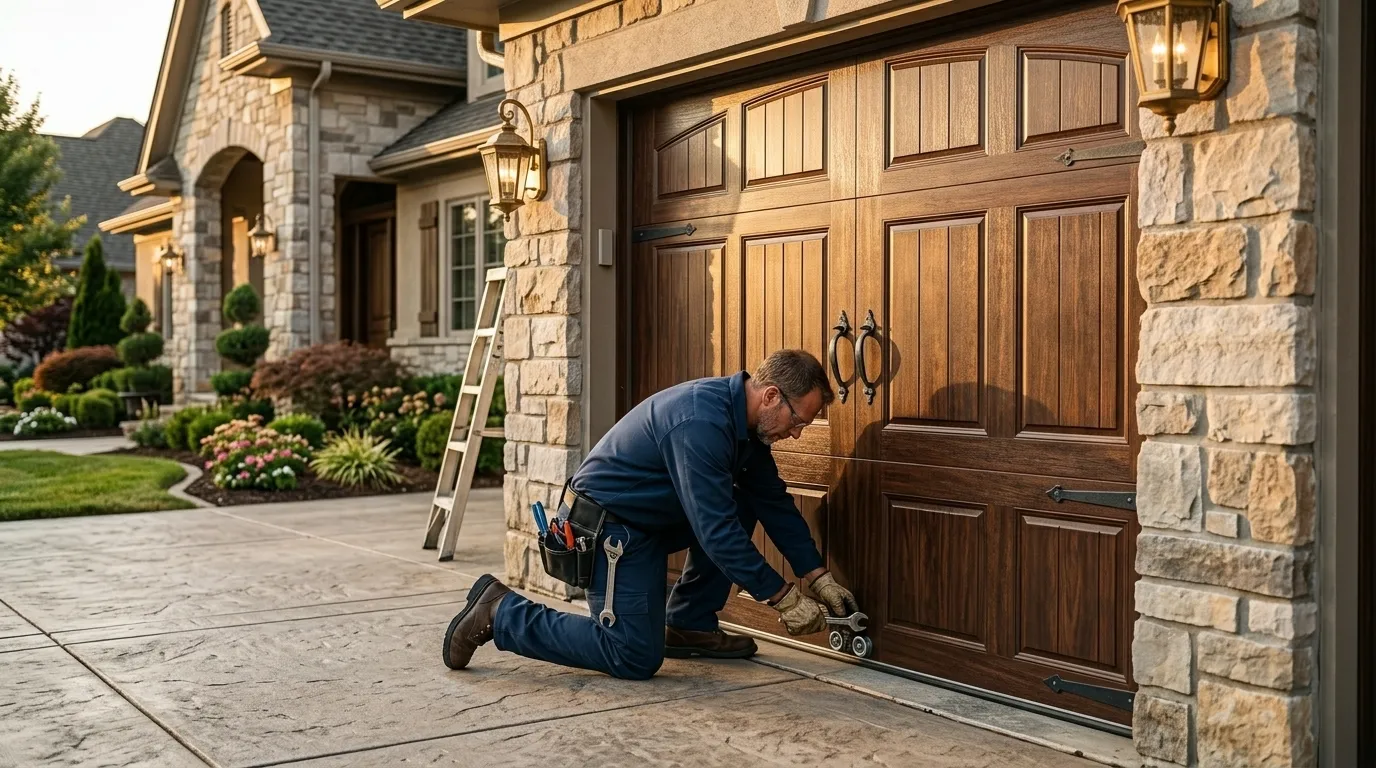
The tell on a 1960s door is a grinding or clicking sound right as the door passes the curve where the track bends from vertical to horizontal - that's where a worn steel roller struggles most. You'll often hear it before you see anything wrong, sometimes for weeks, before the roller flat-spots enough to cause the door to jerk or hesitate at that same point on every cycle. A roller that's fully gone will let the door sag to one side as it moves, or pop out of the track entirely, usually on the last few inches of travel.
On these older doors, a jumped roller is more likely to bend the track than on newer aluminum track, because the steel track from this era is thinner-gauge and doesn't spring back once it's knocked out of alignment. If you're noticing the noise but the door still runs true, that's actually the good scenario - it means you're catching it before the track gets involved.
Getting It Booked In
We come out from Dayton, about 6 miles to Trotwood, to look at the door, confirm it's the rollers and not a spring or opener issue riding along with them, and quote the job on the spot. On a door this age we check the whole roller set rather than the one that's making noise, because if one roller from a 1963-era set has worn through, the others are close behind on the same schedule. We carry standard steel and nylon rollers on the truck for common track gauges.
What we don't stock are exact-match rollers for a handful of oddball track widths some builders used briefly in this era - if your door has one of those, we'll order the part and be upfront that it's not a same-visit fix. That's the one honest limitation worth knowing before you call: most Trotwood jobs are straightforward, but a small number need a part ordered in.
What You Pay
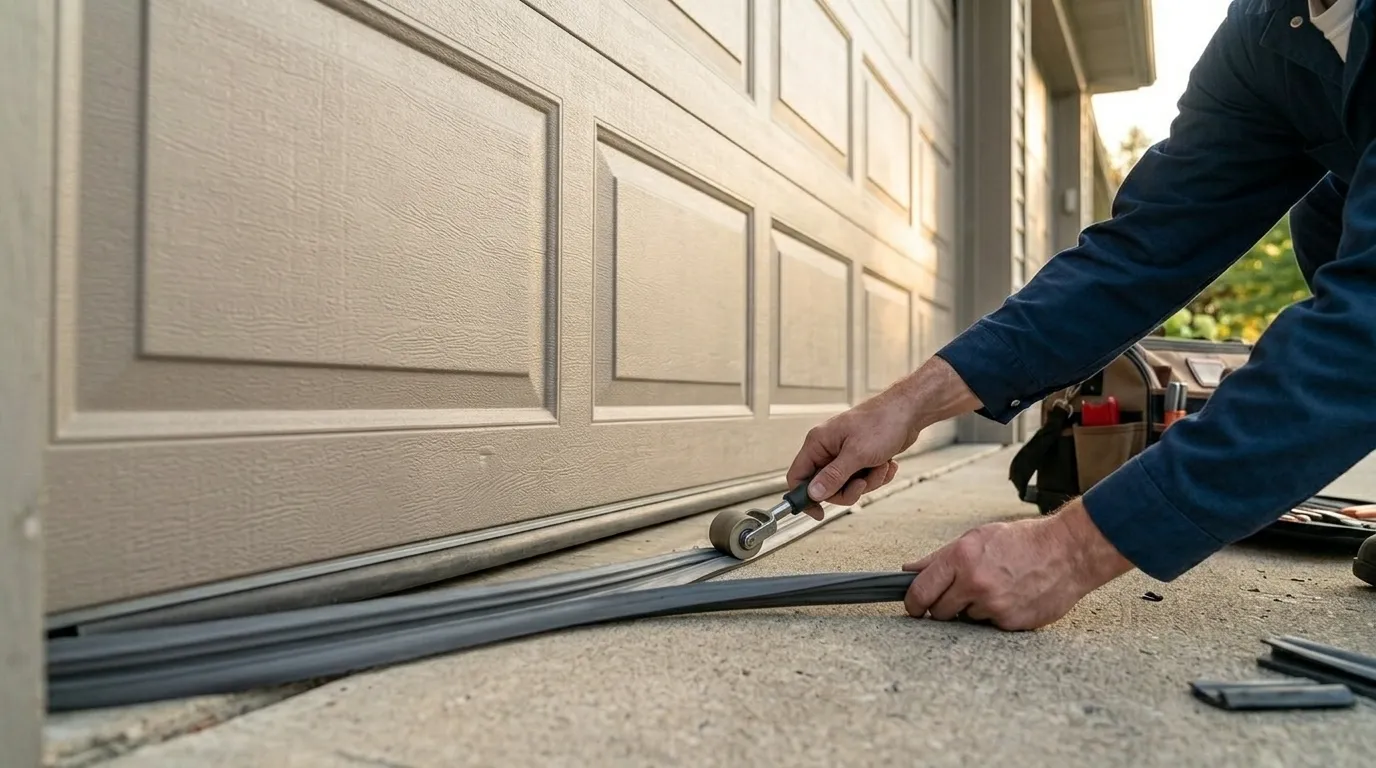
Trotwood's median household income runs $49,082, noticeably below the roughly $70,000 median across the wider Dayton service area, and that gap is worth naming plainly rather than pretending it doesn't affect the decision. A full roller set replacement is a modest repair compared to a spring or opener job, and it's usually the right call on a door this age rather than deferring it - a worn roller left alone eventually damages the track, which costs more to fix than the rollers ever would have.
We don't have a flat rate to quote here since the price depends on roller count, roller type, and whether the track needs straightening or replacing alongside them. What we can say is that catching it at the noise-and-hesitation stage, before a roller jumps the track, keeps the job to a roller swap instead of a track job.
Talk to a Trotwood Technician First
Describe what the door is doing and get a straight answer on what it likely needs.
Other Garage Door Services in Trotwood
Recent Work in Trotwood
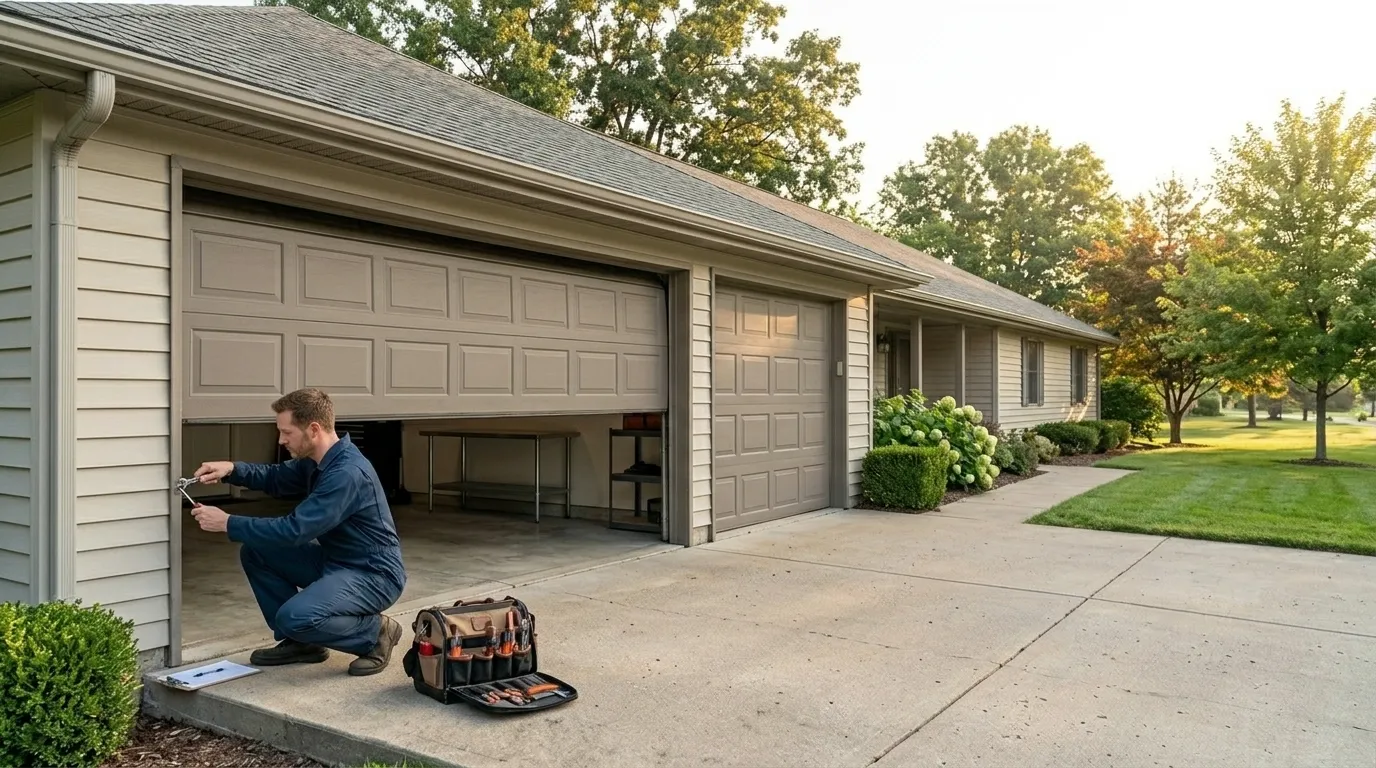
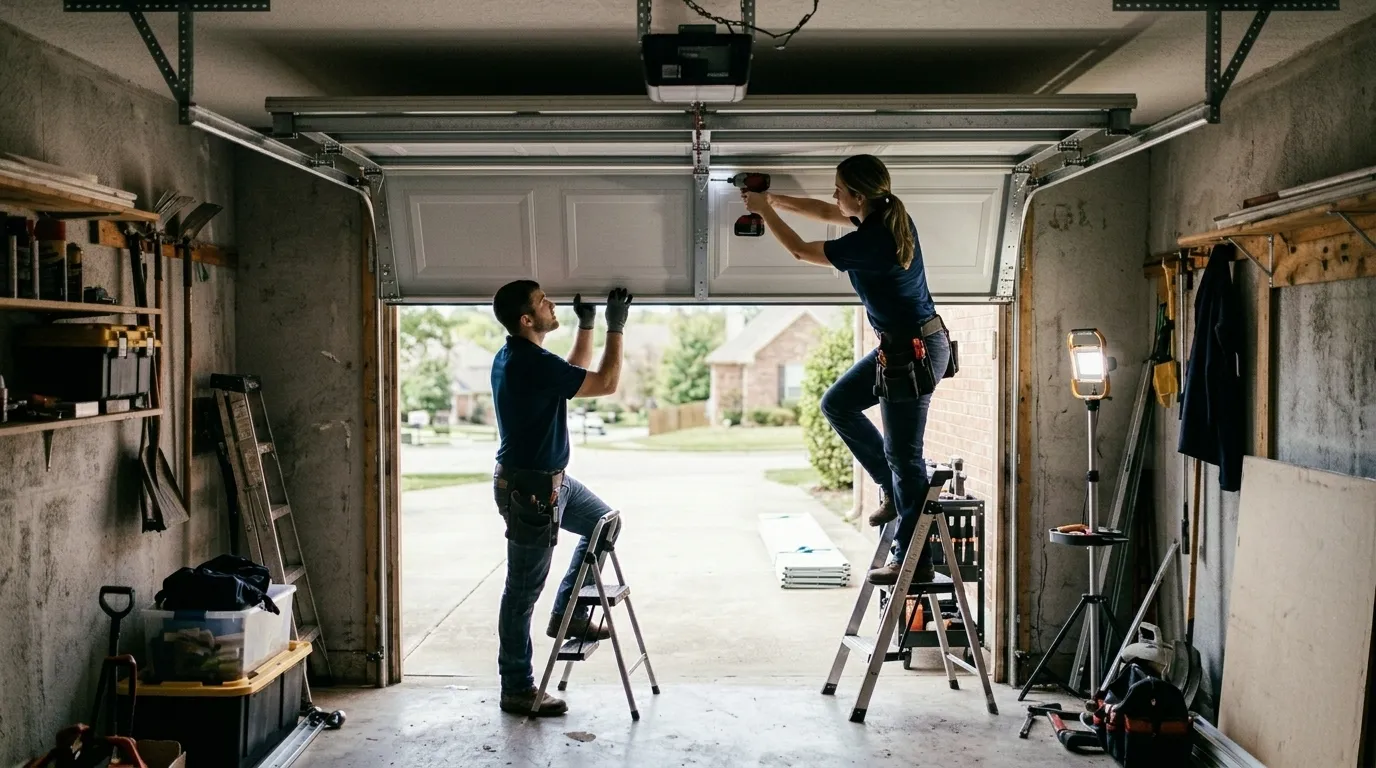
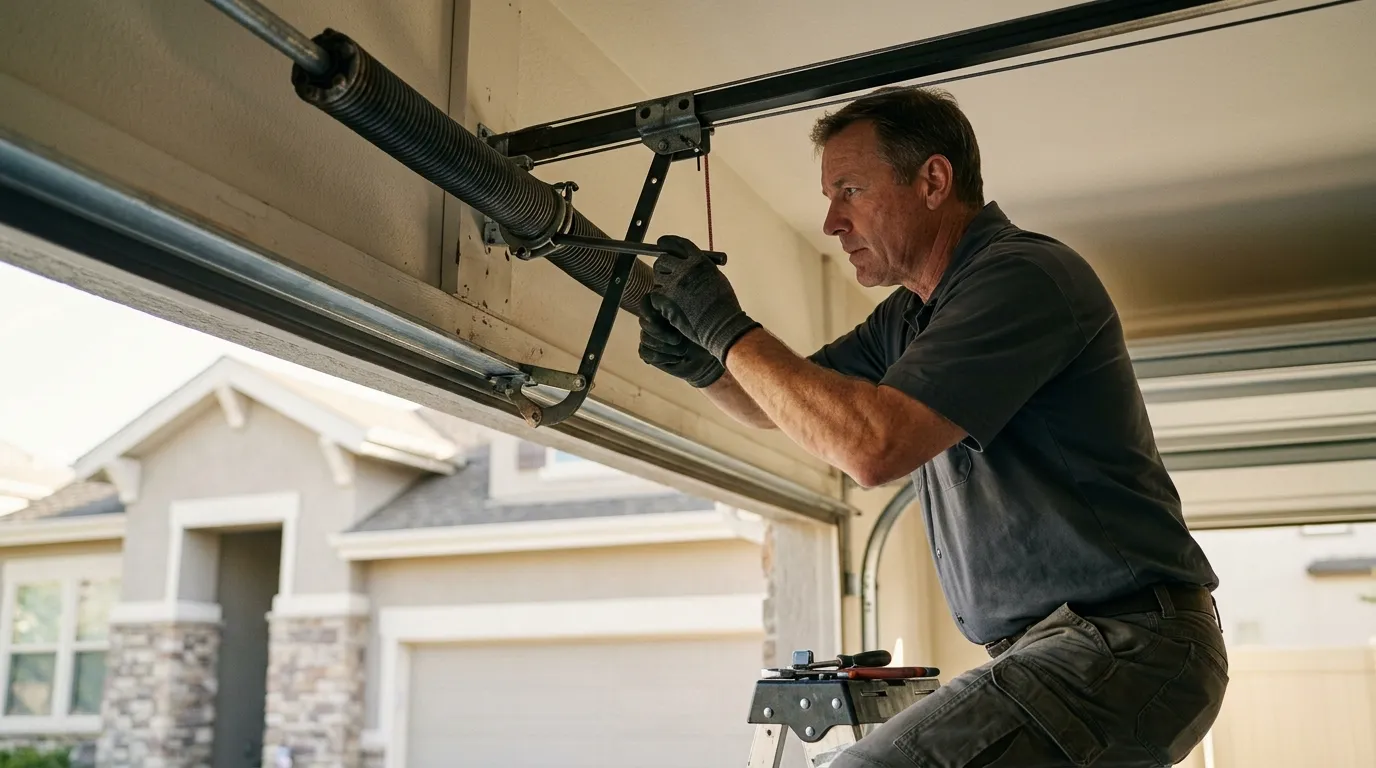
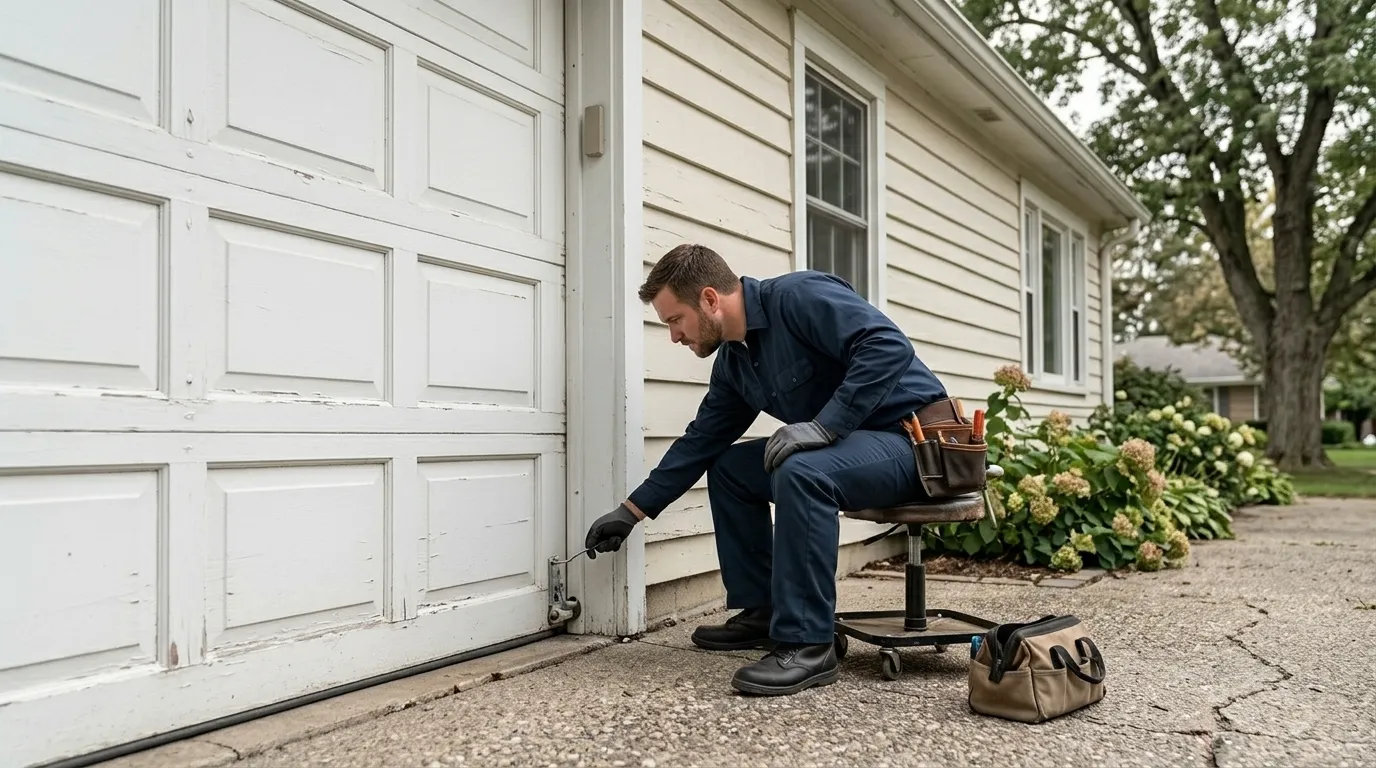
A look at jobs our crew has been on nearby.
Why Trotwood Calls Us
Frequently Asked Questions
Why do my garage door rollers keep wearing out faster than my neighbor's newer house?
Most houses in Trotwood date to around 1963, which means original steel rollers on steel track. That combination wears faster than the nylon-roller setups common in newer construction, and cold winters make worn steel rollers stiffen and fail sooner. It's a build-era issue, not a sign anything was done wrong.
Can I replace just the one roller that's making noise?
You can, but on a door built in the 1960s the rest of the roller set is usually close behind in wear, since they've all logged the same cycles on the same steel track. We generally recommend replacing the full set at once rather than coming back in a few months for the next one.
Do you carry rollers for older track on the truck?
We stock steel and nylon rollers for the common track gauges used in this era. A small number of older doors used nonstandard track widths, and for those we order the part rather than fit it same visit. We'll tell you on the spot which case you're in.
Is a jumped roller an emergency?
Not usually, but don't force the door past it. On older steel track, forcing a jumped roller back into place tends to bend the track, which turns a cheap roller fix into a track replacement. Leave the door where it is and get it looked at.
Need Roller Replacement in Trotwood?
Call now for straight answers on cost and timing.